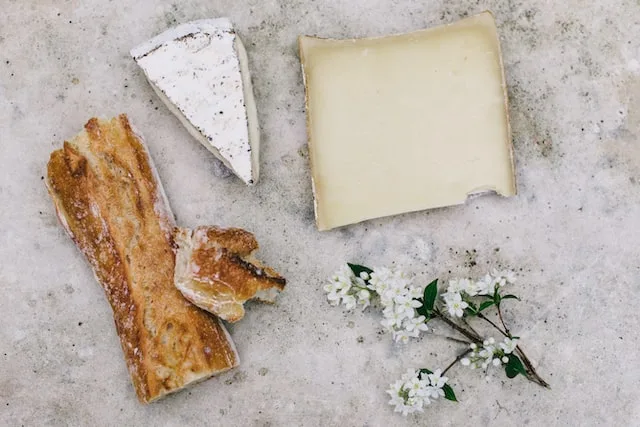
The best Neufchâtel cheese substitute is full-fat cream cheese at a 1:1 ratio for the American block version, and Brie or Camembert for the French original. The two versions are completely different cheeses sharing one name, and knowing which one you have determines which substitute actually works.
I want to start with something that confused me for an embarrassingly long time: the Neufchâtel at my grocery store next to the cream cheese and the Neufchâtel I read about in French cheese guides are not the same thing. They share a name, and that is about it. Once I understood the difference, the whole category clicked into place.
This guide covers both versions, what they taste like, how they differ from cream cheese, the full nutrition breakdown, how to pronounce the name, the best substitutes for each, and what to cook with them.
Key Takeaways
- “Neufchâtel” refers to two completely different cheeses: a soft bloomy-rind French AOC cheese from Normandy and a lower-fat American cream cheese block
- The American version (what Philadelphia sells as “1/3 Less Fat”) has about one-third less fat than cream cheese: ~70 calories and ~6g fat per ounce versus ~100 calories and ~10g fat
- Full-fat cream cheese is the 1:1 substitute for American Neufchâtel in almost every recipe
- Brie or Camembert are the closest substitutes for the French original
- Neufchâtel is pronounced “NOO-shuh-tel” in American English and “nø-shah-TEL” in French
- The name means “new castle” in French (neuf = new, châtel = castle)
- Neufchâtel works in every cream cheese recipe, with the main difference being a slightly lighter, softer texture in baked cheesecake
Table of Contents
How to Pronounce Neufchâtel
Neufchâtel is pronounced NOO-shuh-tel in American English. The French pronunciation is closer to “nø-shah-TEL” with the stress on the final syllable and a soft, nearly silent “f.”
Most Americans say “NOO-sha-tel” or “NEW-sha-tel” and both are widely understood. Do not worry about the French pronunciation at the grocery store; the stock person will know exactly what you mean.
What does Neufchâtel mean? It comes from French neuf (“new”) + châtel (“castle”), literally “new castle.” The town of Neufchâtel-en-Bray in Normandy takes its name from a castle built there in the 12th century.
The Two Completely Different Cheeses Called Neufchâtel
The confusion around Neufchâtel exists because the name was borrowed from a French cheese to describe something quite different. Here is what you are actually looking at:
French Neufchâtel is a soft, aged, bloomy-rind cheese from Normandy with a white Penicillium candidum rind, similar to Brie or Camembert. It has been made in the Pays de Bray region since at least the 11th century. It earned French AOC protection in 1969 and EU PDO status in 1996.
Farm versions are made from raw milk; exported versions are pasteurized. It is most famous for its heart shape.
American Neufchâtel is a fresh, unaged, rindless block sold next to cream cheese in the dairy case. It has nothing to do with the French cheese beyond the name.
The American version was created in 1872 when New York dairyman William Lawrence tried to replicate Neufchâtel and accidentally added too much cream, inventing what became American cream cheese. The “Neufchâtel” name stuck for the lower-fat variation.
The rest of this guide covers both, but most US readers are searching about the American block. If that is you, keep reading. If you specifically need to know about the French original, skip to the French Neufchâtel section below.
What Is American Neufchâtel Cheese?
American Neufchâtel is essentially a lower-fat version of cream cheese. It is a fresh, pasteurized block made from milk and cream with a soft, spreadable texture and a mild, slightly tangy flavor that tastes almost identical to cream cheese at room temperature.
Under the FDA standard of identity (21 CFR 133.162), American Neufchâtel must contain between 20% and 33% milkfat by weight, compared to cream cheese’s required minimum of 33%. In practice, the American Neufchâtel you find at the store typically comes in around 23% milkfat.
Philadelphia markets their Neufchâtel as “1/3 Less Fat Than Cream Cheese.” That branding is both accurate and the most useful description of what this cheese is.
Philadelphia Neufchâtel Cheese: What It Is
The most widely available American Neufchâtel is the Philadelphia Neufchâtel Cheese 8oz block, which Philadelphia labels as their “1/3 Less Fat” cream cheese. It comes in the same foil-wrapped block format as original Philadelphia, uses the same simple ingredients (pasteurized milk, cream, salt, xanthan gum, carob bean gum, guar gum, and cheese culture), and is designed to be used in exactly the same ways.
Philadelphia recommends it specifically for cheesecake, frosting, potatoes, eggs, pasta, and dips. In their own words, it is “a great alternative to cream cheese with fewer calories.”
Store brands from Walmart (Great Value), H-E-B, and Kroger all sell equivalent Neufchâtel blocks at lower prices. They are all the same product category.
If you prefer organic, Organic Valley Neufchâtel Cheese Spread 8oz is certified USDA Organic, free from GMOs and synthetic hormones, and ships on Amazon with strong ratings from buyers who specifically switched from cream cheese.
Neufchâtel vs Cream Cheese: The Real Difference
This is the question most people are actually searching for, and the answer is simpler than most articles make it.
| Feature | American Neufchâtel | Cream Cheese |
|---|---|---|
| Milkfat | 20-33% (typically ~23%) | Minimum 33% |
| Calories per ounce | ~70 | ~100 |
| Fat per ounce | ~6g | ~10g |
| Texture | Softer, lighter, slightly grainier | Denser, smoother, richer |
| Flavor | Slightly tangier, less rich | Mild, rich, slightly sweet |
| Moisture | Up to 65% | Up to 55% |
Can you substitute Neufchâtel for cream cheese? Yes, in almost every recipe at a 1:1 ratio. Dips, spreads, frostings, sauces, bagels, stuffed pasta, scrambled eggs: the difference in finished dishes is minimal or undetectable.
Where it matters: Rich baked cheesecake where the lower fat and higher moisture produce a softer, slightly tangier, less dense set than full-fat cream cheese delivers. Stiff piped frosting can also be slightly looser. For everyday cooking, the swap is invisible.
Neufchâtel Cheese Nutrition and Calories
American Neufchâtel has approximately 70 calories, 6g fat (about 4g saturated), 2-3g protein, and 1-2g carbohydrate per one-ounce serving (roughly 2 tablespoons). It contains about 20mg cholesterol and 95-100mg sodium per serving.
For comparison, the same serving of full-fat cream cheese runs about 100 calories and 10g fat. The difference adds up over a whole block or a baking recipe that calls for two packages.
Is Neufchâtel healthier? Yes, modestly. It is about one-third lower in calories and fat, with slightly more protein due to the higher moisture-to-fat ratio. It is still a soft dairy cheese with meaningful saturated fat, so “lighter” is the right framing rather than “diet food.” Both are naturally low-carb and work in keto cooking.
What Does French Neufchâtel Cheese Taste Like?
French Neufchâtel has a white bloomy rind, a soft interior, and a flavor that sits somewhere between Camembert and Brie. It is earthy, mushroomy, salty, and slightly grainy in texture, drier and more assertive than fresh Brie, with a clean milky-tangy finish.
The heart shape is the most recognizable thing about it. The traditional story is that during the Hundred Years’ War, young Norman women gave heart-shaped Neufchâtel to English soldiers as tokens of affection, which is why the cœur de Neufchâtel became the most iconic format.
Farm-produced versions in France use raw milk; the pasteurized exported versions you might find at a specialty shop in the US are gentler but still recognizably different from American Neufchâtel.
7 Best Neufchâtel Cheese Substitutes
For American Neufchâtel (the cream cheese block)
1. Full-Fat Cream Cheese
Full-fat cream cheese is the obvious, 1:1 substitute for American Neufchâtel and works in every application. It is richer, denser, and slightly less tangy, but in most cooked dishes the difference is undetectable. For spreading on bagels, making dips, stuffing chicken, or adding to pasta sauces, cream cheese performs identically.
The only adjustments worth making are in rich baked cheesecake (fuller, denser result) and stiff frosting (holds its shape more firmly). Both are improvements if that is what you want.
Home bakers who have used Neufchâtel for cheesecake for years report no real downside either. One longtime baker on a cooking forum mentioned winning ribbons at competition with both the cream cheese and the Neufchâtel version of the same recipe. The texture difference is real on paper, softer and slightly less silky, but it does not appear to cost anyone wins or compliments in practice.
Philadelphia Original Cream Cheese 8oz is the most widely stocked cream cheese on Amazon and in every grocery store. The most neutral and reliable base for any substitution.
Best for: Every American Neufchâtel application — 1:1 in all recipes
2. Mascarpone
Mascarpone is an Italian soft cheese made from cream, silky and mild, without cream cheese’s tang. It is considerably richer than Neufchâtel and does not have the same slight acidity, but it is luxurious in desserts, pasta sauces, and dips where you want more creaminess than tang.
Add a small squeeze of lemon juice or a tiny pinch of cream of tartar to mimic the tangy note. Use slightly less than the recipe calls for since mascarpone is significantly richer. This is the fix most bakers reach for when swapping in mascarpone, since on its own it is noticeably less tangy than either Neufchâtel or cream cheese.
BelGioioso Mascarpone 8oz is available at Whole Foods and confirmed active on Amazon. It is the standard US mascarpone for this kind of substitution.
Best for: Dessert cheesecake, creamy pasta sauces, frosting, anywhere richness matters more than tang
3. Blended Cottage Cheese
Full-fat cottage cheese blended until completely smooth is the lightest, highest-protein substitute for American Neufchâtel. The texture, once blended, is genuinely close: smooth, slightly spreadable, mildly tangy. It has far less fat and far more protein than either Neufchâtel or cream cheese.
Blend it with an immersion blender or in a food processor until the curds have completely disappeared. Drain in a fine mesh strainer for 30 minutes if you need a firmer result for dips or fillings.
Best for: Dips, savory spreads, lighter pasta fillings, cooking applications where calories are the priority
4. Strained Greek Yogurt or Greek Yogurt Cream Cheese
Full-fat Greek yogurt strained overnight in cheesecloth produces a thick, spreadable, tangy soft cheese (labneh-style) that works well as a Neufchâtel substitute in dips, spreads, and certain baked applications. Greek yogurt cream cheese (sold at some stores) is even closer.
It is tangier than Neufchâtel, so use slightly less in recipes where the acidity will concentrate during baking. For cold dips and spreads, it is a very satisfying lower-fat option.
Best for: Dips, bagel spreads, savory fillings, no-bake applications
5. Blended Ricotta
Whole-milk ricotta blended smooth with a tablespoon or two of cream produces a mild, slightly sweet, spreadable substitute. It is less tangy than Neufchâtel and grainier if not properly blended, but it works well in baked pasta fillings, lasagna, and stuffed dishes.
Always drain the ricotta thoroughly before blending. The extra moisture in undrained ricotta will make sauces and fillings watery.
Galbani Whole Milk Ricotta 15oz is the cleanest, most neutral ricotta for this application. Mild enough to not compete with other flavors.
Best for: Baked pasta, lasagna, stuffed pasta fillings, savory tarts
For French Neufchâtel (the soft bloomy-rind Norman cheese)
6. Brie
Brie is the most accessible and appropriate substitute for French Neufchâtel in cheese board and cooking applications. Both are soft, bloomy-rind French cheeses with a similar buttery-earthy flavor profile. Brie is milder and creamier than Neufchâtel, with less of the dry, grainy edge, but on a board they occupy the same general space.
For the visual drama of the heart shape, there is no substitute. For flavor and eating experience, Brie is genuinely close.
President Brie Foil Wrapped Wedge 7oz is reliably stocked and the most accessible French Brie on Amazon. For a full guide on when Brie is the right call, the substitute for Camembert cheese guide covers the full bloomy-rind French cheese family.
Best for: Cheese boards, baked appetizers, anywhere French Neufchâtel is the star
7. Camembert
Camembert is earthier, mushroomy, and more assertive than Brie, which makes it a better match for the stronger, more complex French Neufchâtel flavor. Both are Normandy cheeses from the same general region, and they share the same animal-rennet, bloomy-rind tradition.
For a cheese board where you want the character of French Neufchâtel without hunting for the real thing, a good Camembert is the most satisfying substitute.
Best for: Cheese boards, baked dishes, anywhere you want the earthy Normandy bloomy-rind character
Neufchâtel Cheese Recipes
Since American Neufchâtel behaves exactly like cream cheese, it works in every cream cheese recipe. These are the applications where its specific qualities (lighter fat, slightly tangier) actually shine:
Cheesecake with Neufchâtel is the most popular use. The result is lighter, a touch tangier, and slightly softer than a full-fat cream cheese cheesecake. It pairs especially well with fruit toppings like blueberry or strawberry that play off the tang.
Many bakers make it exclusively with Neufchâtel and never miss the full-fat version.
Buffalo chicken dip is where Neufchâtel consistently outperforms full-fat cream cheese. The lighter body keeps the dip from feeling heavy, and the tang balances the hot sauce beautifully. This is the recipe I always reach for Neufchâtel specifically.
Stuffed chicken (Neufchâtel, spinach, garlic, Parmesan as the filling) is another strong use case. The lower fat prevents the filling from oozing excessively during baking while still delivering the creamy, rich pocket people want.
Pasta sauces work well with Neufchâtel stirred in at the end of cooking. It melts smoothly and does not make the sauce heavy the way full-fat cream cheese can. Chicken spaghetti and creamy tortellini are particularly good vehicles.
Where to Buy Neufchâtel Cheese
American Neufchâtel is at every major grocery store in the US in the dairy case next to the cream cheese. Walmart carries Great Value and Philadelphia Neufchâtel blocks.
Target, Kroger, Safeway, H-E-B, and Publix all stock it. Whole Foods carries both the Philadelphia block and the Organic Valley Neufchâtel spread.
Online: The Philadelphia Neufchâtel 8oz block ships on Amazon. For the organic option, Organic Valley Neufchâtel Cheese Spread 8oz also ships from Amazon and has strong reviews from buyers who specifically prefer it for baking.
French Neufchâtel is harder to find in the US. Look for it at specialty cheese shops, Eataly, Whole Foods specialty cheese counters, and Murray’s Cheese. Most US-sold French Neufchâtel is pasteurized (raw-milk versions under 60 days old cannot be legally imported).
Storing Neufchâtel and Its Substitutes
American Neufchâtel keeps in the refrigerator for up to 10 days after opening. Like cream cheese, it should stay sealed in its foil wrapper or transferred to an airtight container.
French Neufchâtel, being a soft-ripened cheese with a live rind, needs to breathe rather than being sealed in plastic. Formaticum cheese storage bags are the professional solution: the breathable paper maintains the right humidity for any soft-rind cheese without the ammonia buildup that plastic creates.
For a board featuring French Neufchâtel alongside Brie and cured meats, the ChefSofi charcuterie board set includes four steel knives and ceramic bowls for honey and accompaniments. French Neufchâtel pairs particularly well with fig jam, walnuts, and a crisp dry Champagne or Normandy cider.
Frequently Asked Questions
What is the difference between Neufchâtel and cream cheese?
American Neufchâtel has about one-third less fat than cream cheese (roughly 23% vs 33% milkfat), runs about 70 calories per ounce vs ~100 for cream cheese, and has a softer, slightly tangier texture. They are nearly interchangeable in most recipes. The main difference shows up in rich baked cheesecake and stiff frosting, where full-fat cream cheese produces a firmer, denser result.
How do you pronounce Neufchâtel cheese?
In American English, Neufchâtel is pronounced NOO-shuh-tel. The French pronunciation is closer to “nø-shah-TEL” with stress on the final syllable. Both are accepted; you will be understood either way at any US grocery store.
What is Philadelphia Neufchâtel cheese?
Philadelphia’s Neufchâtel is their “1/3 Less Fat Than Cream Cheese” block: a fresh, pasteurized soft cheese made from milk and real cream, with no artificial preservatives or flavors. It is sold in the same 8-ounce foil-wrapped block format as Philadelphia Original Cream Cheese and designed for exactly the same uses, including cheesecake, frosting, dips, bagels, eggs, and pasta.
Can you substitute Neufchâtel cheese for cream cheese in cheesecake?
Yes, with one caveat. Neufchâtel cheesecake comes out slightly lighter, tangier, and softer than a full-fat cream cheese version because of the lower fat and higher moisture.
For a fruit-topped or everyday cheesecake that difference is often unnoticeable or even preferred. For a dense, showpiece New York-style cheesecake where rich firmness is the whole point, full-fat cream cheese is the safer choice.
Where can I buy Neufchâtel cheese?
American Neufchâtel is at every major US grocery store in the dairy case next to cream cheese. Walmart, Target, Kroger, Whole Foods, and Publix all carry it.
Philadelphia and Great Value store brands are the most widely stocked. French Neufchâtel (the bloomy-rind original from Normandy) is harder to find and mainly available at specialty cheese shops, Eataly, and online cheese retailers.
Can I Use Neufchâtel in a No-Bake Cheesecake?
Yes, but it sets softer than a full-fat cream cheese no-bake cheesecake, and that is worth planning around rather than finding out the hard way. Baking is what gives cheesecake its structure, so without an oven involved, Neufchâtel’s higher moisture and lower fat mean a full-size no-bake cheesecake in a springform pan can end up wobblier than you want when you slice it. Individual ramekins or a muffin tin sidestep the problem entirely, since a smaller portion does not need the same structural firmness to hold its shape.

Cynthia Odenu-Odenu is the founder of Cyanne Eats. A registered nurse with a passion for food, she brings the same attention to detail from her professional life into the kitchen. From chain restaurant rankings to grocery finds and easy recipes, Cynthia covers it all and helps everyday food lovers eat better and spend smarter.