The best caciocavallo cheese substitute is provolone, which is in the same pasta filata (stretched-curd) family, has nearly the same flavor profile, and works at a 1:1 ratio in every caciocavallo application from pizza to pasta to cheese boards.
I first encountered caciocavallo on a trip through Southern Italy, where it was hanging in pairs from the rafters of a small cheese shop in Campania. I had no idea what it was, bought a piece out of curiosity, and promptly started putting it on everything. Getting it back home in the US is a different story entirely.
If you are searching for a caciocavallo cheese substitute because it is hard to find near you, you have landed in the right place. This guide covers what caciocavallo actually is, the best substitutes mapped to each use case, the viral caciocavallo impiccato trend, the Sicilian connection, and where to track down the real thing.
Key Takeaways
- Provolone dolce is the closest substitute for young caciocavallo; provolone piccante matches aged caciocavallo
- Scamorza is the single closest pasta filata cousin for melting, pizza, and grilling applications
- Low-moisture mozzarella is the safest swap for pizza and baked pasta when you need a clean, even melt
- Caciocavallo impiccato is the viral “hanging cheese” dish from Southern Italy; provolone and scamorza are the best at-home stand-ins
- Caciocavallo Ragusano is the Sicilian PDO variety, a rectangular block version that had to drop the caciocavallo name when it earned DOP status in 1996
- Caciocavallo Podolico is the premium, rare version that can sell for $50 per pound or more
- You can buy real caciocavallo at Eataly, Italian specialty delis, Whole Foods, and on Amazon
Table of Contents
What Is Caciocavallo Cheese?
Caciocavallo is a southern Italian pasta filata (stretched-curd) cow’s milk cheese, made across Molise, Puglia, Campania, Basilicata, Calabria, and Sicily. It is one of the oldest documented cheeses in the world. Columella described its production method in De re rustica in 35-45 CE.
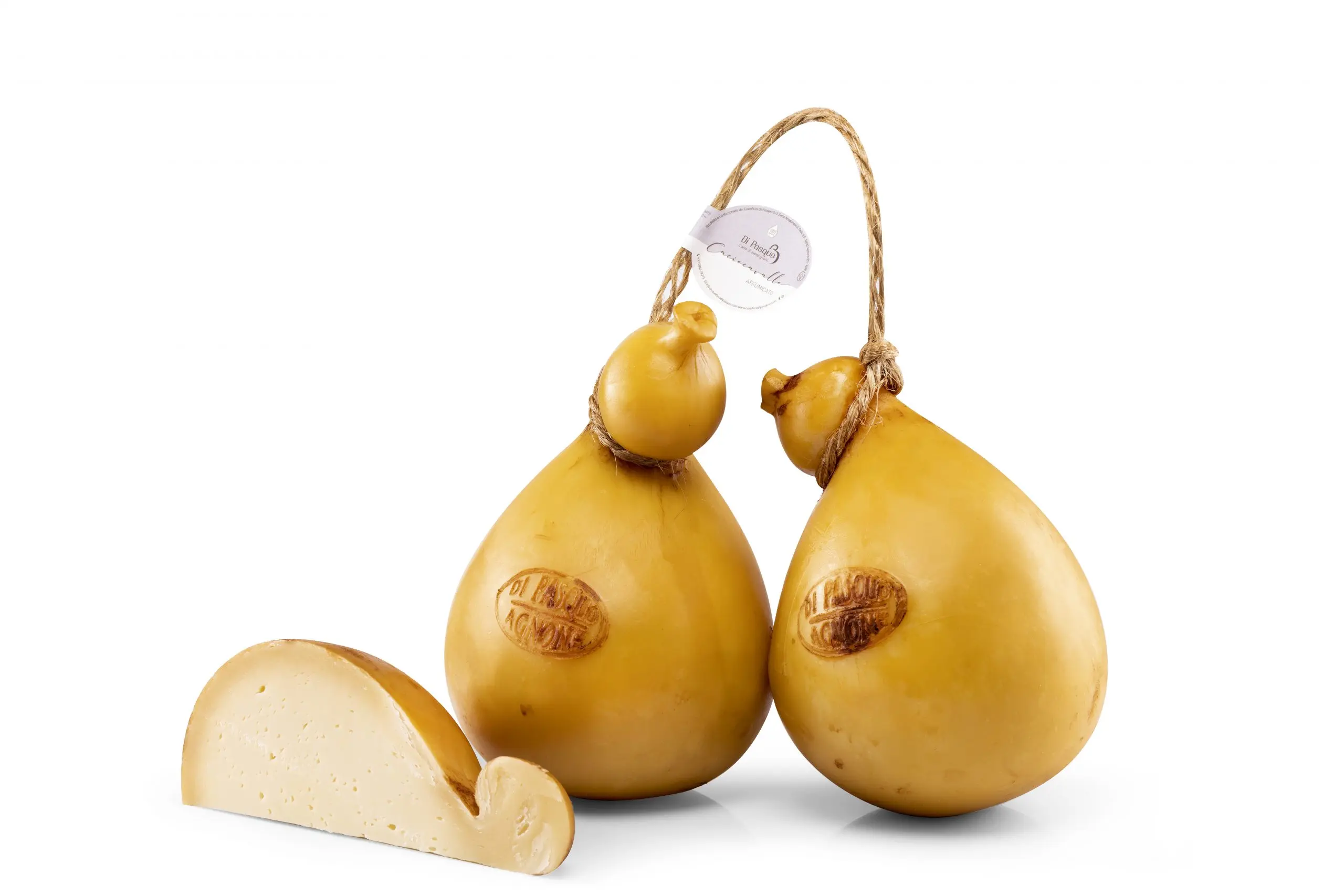
The name literally means “horse cheese” in Italian, from cacio (cheese) and cavallo (horse). The most widely accepted explanation is that two cheese forms are tied together with rope and hung to age straddling a horizontal beam or branch, in the same way that saddlebags straddle a horse. The distinctive teardrop or gourd shape with a small knotted neck at the top is a direct result of that hanging method.
Caciocavallo belongs to the same stretched-curd family as mozzarella, provolone, and scamorza. The curd is heated in hot water until it stretches and becomes pliable, then shaped by hand into the characteristic form. This process gives all pasta filata cheeses their elastic, stringy texture and excellent melting properties.
What Does Caciocavallo Taste Like?
Young caciocavallo (around 60 days of aging) is mild, buttery, and slightly tangy with a gentle milky sweetness. The texture is springy and elastic, and it melts into smooth, flowing pools on pizza and in pasta. Murray’s Cheese describes it as having “buttery, slightly peppery” notes with “a zesty yogurt flavor.”
As it ages past six months, the flavor becomes sharper, nuttier, and more piquant. The texture firms up and eventually becomes hard enough to grate. Some aged wheels develop hints of anise and almond that make them genuinely complex on a cheese board.
The key distinction from provolone is a slightly more assertive, goat-like tang in caciocavallo that comes from lipase enzymes used during production. It is subtle, but once you have tasted both side by side you start to notice it.
Caciocavallo Varieties
1. Caciocavallo Silano DOP
Caciocavallo Silano is the benchmark variety, produced across Basilicata, Calabria, Campania, Molise, and Apulia. It received Italian Designation of Origin status in 1993 and EU DOP certification in 1996. The Silano version is the one you are most likely to find at Italian delis in the US.
2. Caciocavallo Podolico
Caciocavallo Podolico is in its own category. It is made exclusively from the milk of semi-wild Podolica cattle that roam free-range pastures eating wild fennel, licorice, myrtle, and other aromatic plants.
The result is one of the most complex, distinctive cheeses in Italy, and some versions age for up to 12 years. Prices start at around $50 per pound and rise from there, which is why it gets called “the Parmigiano Reggiano of the South.”
3. Caciocavallo Ragusano (Sicilian Caciocavallo)
Caciocavallo Ragusano is the Sicilian DOP variety, made from raw whole milk of the Modicana cattle breed in the provinces of Ragusa and Siracusa. Evidence of this cheese dates to at least 1500.
It is shaped into large rectangular blocks rather than the classic teardrop form. When it earned EU DOP status in 1996, it had to officially drop the “caciocavallo” name and is now simply called Ragusano DOP. Find the Caciocavallo Siciliano Style sold by the pound on Amazon as a close Sicilian-style option.
Sicilian Cheese: More Than Just Caciocavallo
Caciocavallo Ragusano is the most famous Sicilian cheese globally, but the island has a rich cheese tradition that goes far beyond it. Pecorino Siciliano DOP is one of Europe’s oldest cheeses, made from raw sheep’s milk and aged at least four months. The pepato version is studded with whole black peppercorns and is extraordinary grated over pasta.
Ricotta Salata is another Sicilian staple, a salted, pressed, aged ricotta that you grate over Pasta alla Norma for that slightly salty, milky crumble on top. Fresh Ricotta is central to cannoli and cassata. Other notable Sicilian cheeses include Primo Sale (young, fresh, milky), Provola dei Nebrodi, and Piacentinu Ennese, a unique golden cheese flavored with local saffron that dates back to Norman rule.
If you want to explore a range of Italian cheeses without hunting down each one separately, the igourmet Italian Cheese Tasting Sampler Gift Box is a solid starting point, with Provolone Piccante, Grana Padano, Mountain Gorgonzola, and Pecorino Toscano included. It ships expedited in an insulated package.
8 Best Caciocavallo Cheese Substitutes
1. Provolone (Dolce or Piccante)
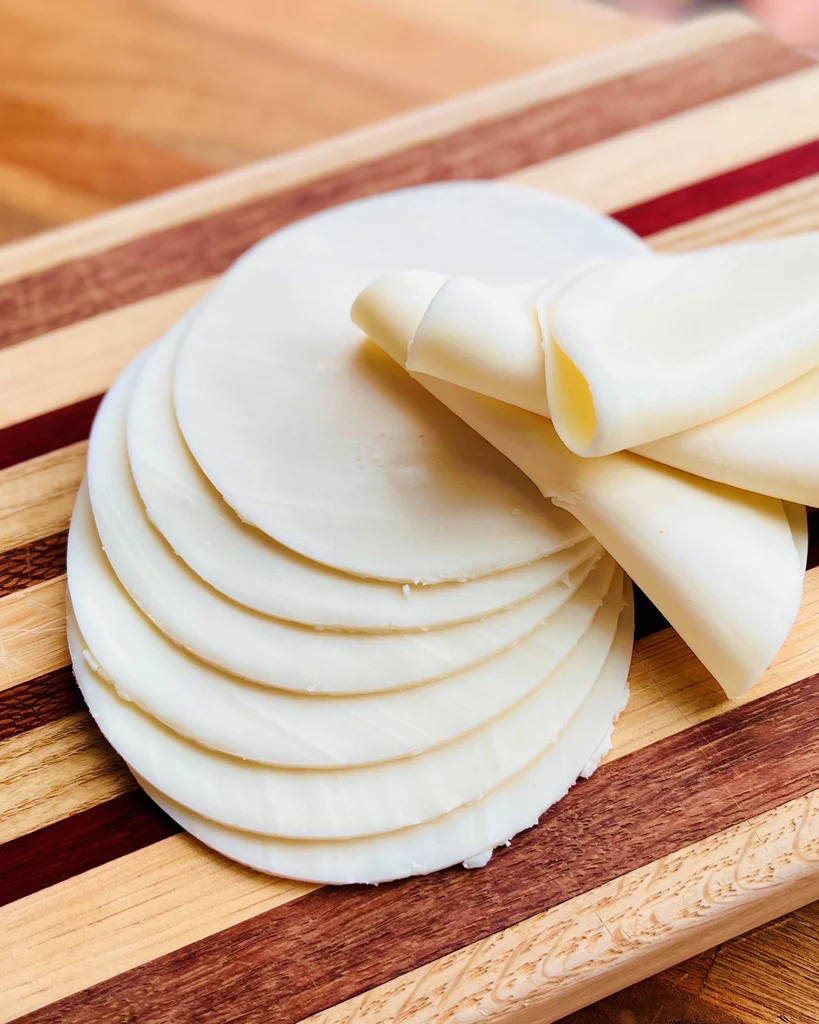
Provolone is the consensus best substitute for caciocavallo among Italian cooks, and the reason is straightforward: both are pasta filata cow’s milk cheeses that share a common production method. For young caciocavallo, use provolone dolce, which is mild, slightly sweet, and melts beautifully. For aged caciocavallo, use provolone piccante, which is sharper, nuttier, and more assertive.
Use provolone at a 1:1 ratio in every caciocavallo application: pizza, pasta, sandwiches, cheese boards, and melting. The main difference you will notice is that provolone is slightly sweeter and lacks caciocavallo’s subtle goat-like tang, but in cooked dishes this difference essentially disappears.
Auricchio Provolone Imported from Italy is naturally aged over a year for a bold, sharp flavor, confirmed in stock with strong reviews, and is exactly the piccante-style provolone that works for aged caciocavallo applications.
Best for: Pizza, pasta, sandwiches, grilling, cheese boards, every caciocavallo application
2. Scamorza
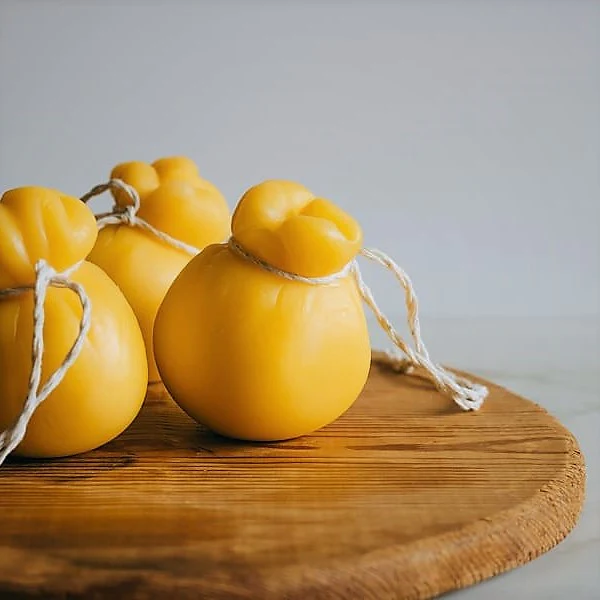
Scamorza is the single closest pasta filata cousin to caciocavallo in terms of structure, texture, and behavior over heat. It is made by the same stretched-curd method, has a similar mild, milky, slightly tangy flavor, and comes in both unsmoked (bianca) and smoked (affumicata) versions. For caciocavallo impiccato and grilling applications, a whole scamorza works exceptionally well.
I prefer smoked scamorza for anything involving heat because the campfire character it adds is genuinely delicious with bread and cured meats. For dishes where you want a clean melt without added smokiness, the plain bianca version is the call.
Ferndale Farmstead Scamorza Smoked 9.5oz is a confirmed active listing for authentic smoked scamorza. For a deeper look at scamorza as a cheese in its own right, the scamorza cheese substitutes guide covers its full range of applications.
Best for: Pizza, grilling, impiccato applications, baked pasta, melting
3. Low-Moisture Mozzarella
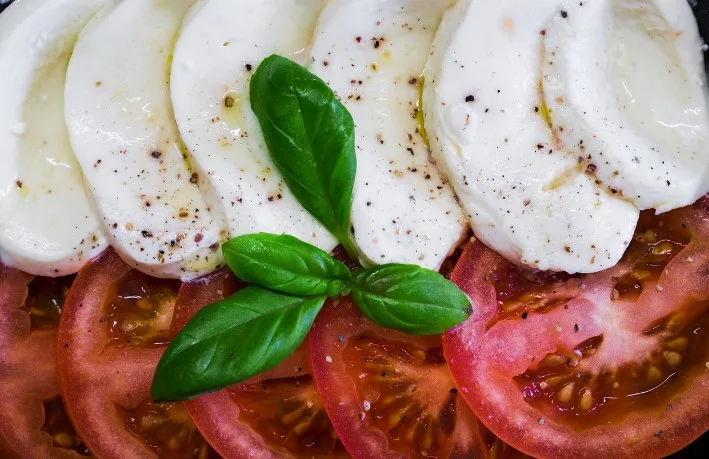
Low-moisture mozzarella is the safest, most widely available substitute for caciocavallo in pizza and baked pasta. It melts into a smooth, even layer without separating or pooling, gives you the stretched-curd melt behavior that makes pasta filata cheeses so valuable in Italian cooking, and is available at every grocery store.
The limitation is that mozzarella is blander than caciocavallo. It lacks the tang, the nutty bite, and the complexity.
For pizza it works well. For a cheese board where caciocavallo is the centerpiece, it is not the right choice.
Galbani Whole Milk Low-Moisture Mozzarella 16oz is the go-to for baking applications. Never use fresh mozzarella as a caciocavallo substitute because the water content will make your pizza or pasta wet.
Best for: Pizza, baked pasta, melting, any hot application
4. Fontina
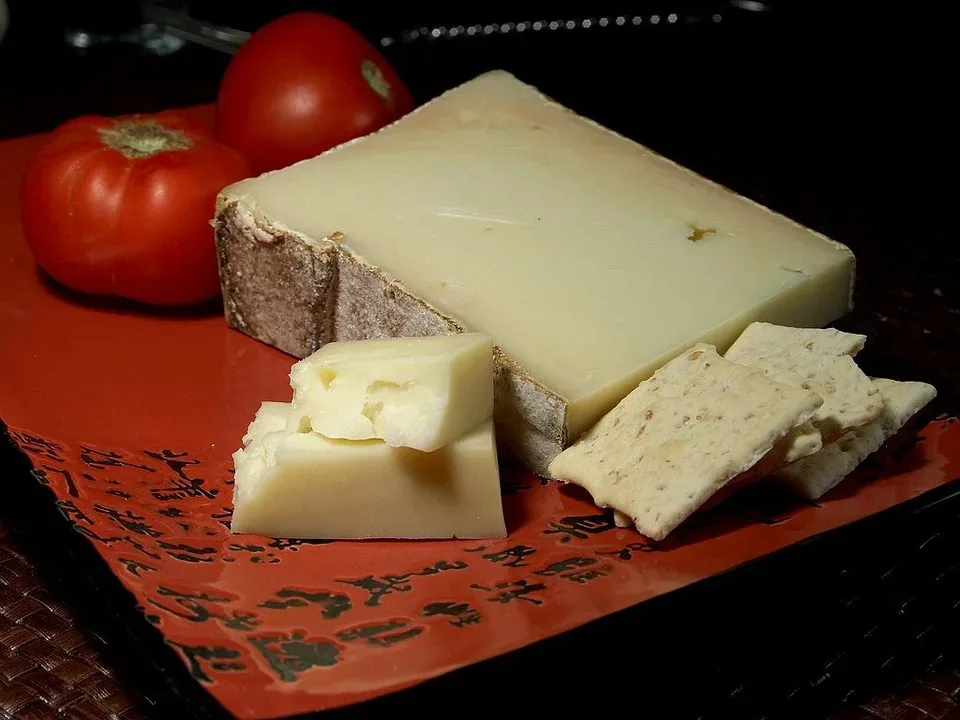
Fontina is an Italian Alpine semi-soft cheese with a mild, slightly nutty, earthy flavor and one of the most exceptional melts of any cheese in this list. It flows into pasta sauces and gratins with a silky smoothness that caciocavallo achieves at its best.
It is slightly more buttery and less tangy than caciocavallo, and the Alpine nuttiness is a different flavor note. For gratins, pasta bakes, and melted applications where you want a smooth, rich result, Fontina is outstanding.
Italian Fontina Cheese sold by the pound is the authentic Italian version from igourmet, confirmed active on Amazon.
Best for: Gratins, pasta bakes, fondue-style melting, rich sauces
5. Aged Asiago
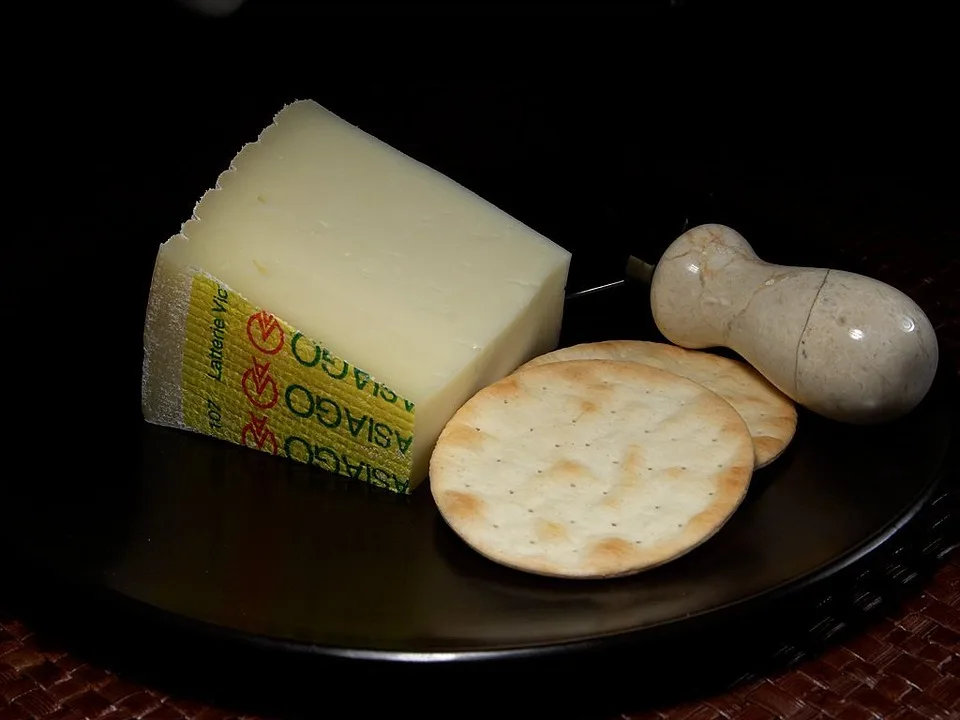
Aged Asiago (Asiago d’Allevo) is a DOP Italian cheese from the Veneto and Trentino regions that becomes firm and grating-worthy with age. For grating over pasta dishes that call for aged caciocavallo, it is a strong substitute with a nutty, slightly tangy character.
Use roughly three-quarters the amount you would use of caciocavallo since aged Asiago can be a bit stronger. Watch the heat, since it can seize in very high-temperature applications.
Best for: Grating over pasta, soups, risotto, finishing dishes
6. Kashkaval
Kashkaval is the Eastern European and Balkan equivalent of caciocavallo, made by the same stretched-curd method and sharing a common ancestry that probably traces back through the same Byzantine and Ottoman food traditions. Bulgarian kashkaval made from cow’s milk melts reasonably well. Sheep’s milk versions are firmer and better suited to grilling and slicing than to smooth melting.
It is an interesting cultural connection that not many people know about. If you have an Eastern European specialty store nearby, kashkaval is usually available and reasonably priced.
Bulgarian Balkan Kashkaval Cheese approximately 1lb is an active Amazon listing for an authentic Balkan kashkaval. The kefalotyri cheese family shares some of this Eastern Mediterranean stretched-curd heritage, covered in the kefalotyri cheese substitutes guide.
Best for: Grilling, slicing, cheese boards, Eastern European dishes
7. Pecorino Romano
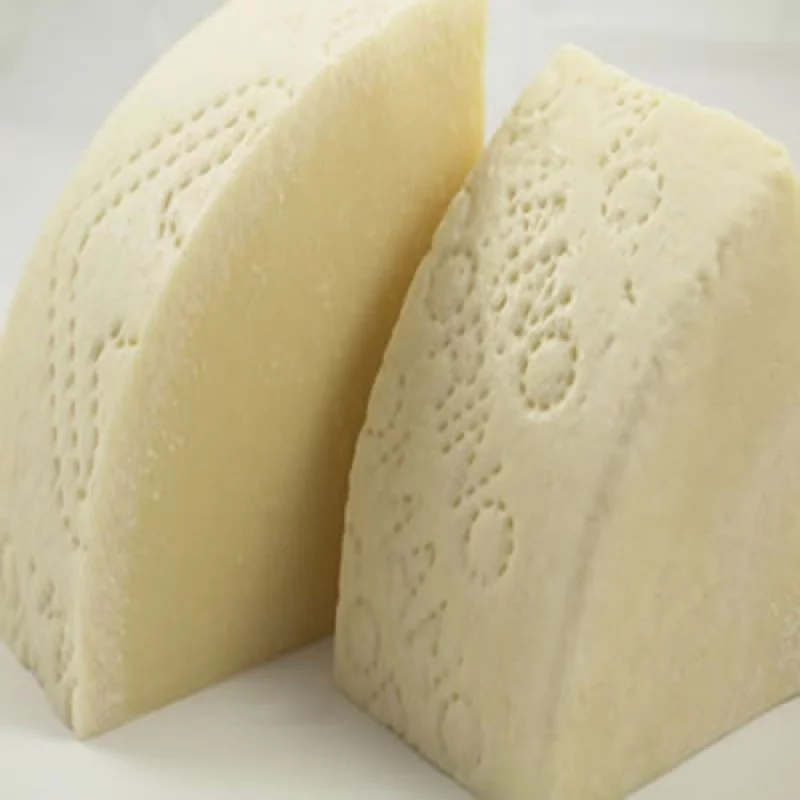
Pecorino Romano is only a substitute in one specific context: grating over a finished dish when aged caciocavallo would be used the same way. It is much saltier and more pungent than caciocavallo, so use it sparingly and reduce any added salt in the recipe.
It is not a substitute for melting, slicing, or table eating. As a finishing grate over pasta, particularly Pasta alla Norma or baked ziti, it delivers a sharp, salty punch that works well.
Best for: Finishing grate over pasta, soups, and baked dishes only
8. Manchego
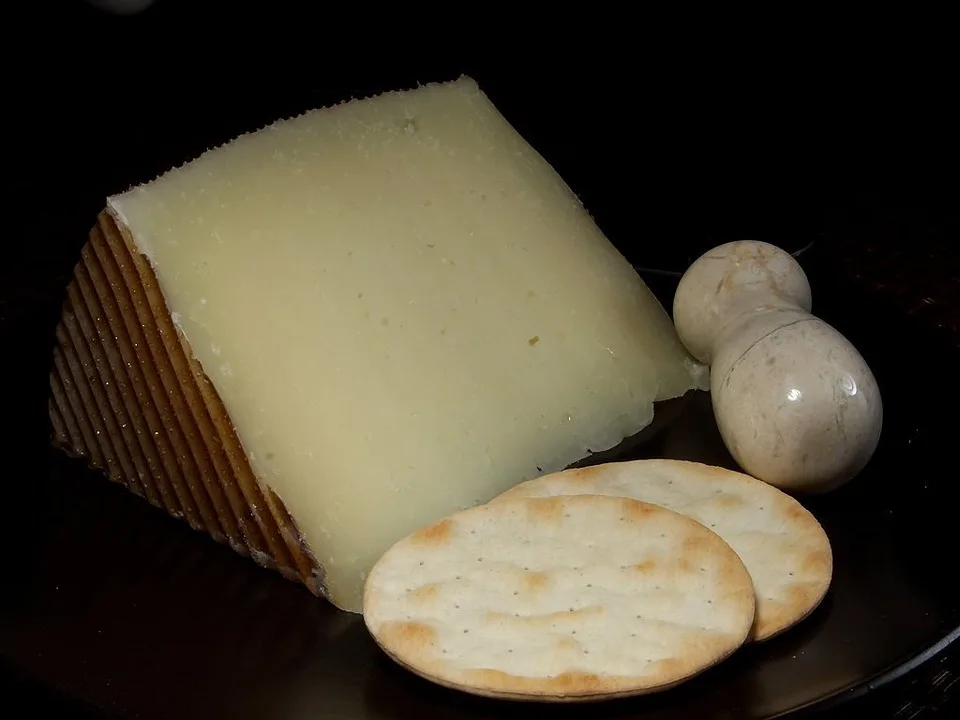
Manchego is a Spanish sheep’s milk cheese with a firm, crumbly texture, a slightly salty, nutty flavor, and a beautiful natural rind pattern. It is not an obvious caciocavallo substitute but it works well on cheese boards when you want a firm, flavorful cheese that pairs with honey, figs, and cured meats.
For cooking or melting, Manchego is not the right call. For a cheese board where caciocavallo would be a centerpiece sliced and served cold, Manchego fills a similar role.
Best for: Cheese boards, shaving over salads, cold applications only
What Is Caciocavallo Impiccato? (The Viral “Hanging Cheese”)
Caciocavallo impiccato literally means “hanged caciocavallo.” The technique involves hanging a whole caciocavallo from its rope over open embers or a flame, so the outer surface melts while the inner core holds its shape. A knife scrapes the gooey, browned cheese directly onto toasted bread, often topped with honey, truffle, or cured meats.
Italian food writer Kristine Jannuzzi encountered it at a 2023 festival in Cittadella, posted a video to her Instagram account, and reported that it went unexpectedly viral with over ten million views. That is why searches for “caciocavallo impiccato” and “hanging cheese” have been climbing. The freshness of the cheese matters more than most people realize, too. Italian home cooks who make this regularly are specific about it: it has to be a young caciocavallo, not an aged one. Fresh cheese has enough moisture to actually go soft and drippy under heat; an aged wheel just chars on the outside without giving you that gooey pull.
The dish itself is not new at all. It has been a fixture at summer festivals across Southern Italy for years, especially in Campania and Basilicata.
To make it at home without caciocavallo, hang or hold a small whole young provolone dolce (not aged piccante) or whole unsmoked scamorza bianca over a flame or very hot pan. Both hold their shape the same way fresh caciocavallo does while the surface melts and caramelizes. For an easier indoor version sometimes called caciocavallo in terrina, slice provolone or scamorza into a small cast-iron pan or earthenware dish, top with diced tomato and salami, and bake at 375°F for about ten minutes until bubbling.
Caciocavallo for Pizza
Caciocavallo is one of the most celebrated pizza cheeses in Southern Italy, particularly in Naples and Sicily. Young caciocavallo melts into the same flowing, creamy pools that fresh mozzarella does, but with more flavor. It is used on Sicilian sfincione alongside anchovies and breadcrumbs.
For home pizza, provolone is the most accurate swap. It melts with the same stretch and pull and delivers enough flavor that you actually notice the difference between your pizza and a plain mozzarella version. Low-moisture mozzarella is the safer melt if you are worried about the pizza getting soggy.
For caciocavallo recipes that are not just a simple swap question, the locatelli cheese substitute guide covers the broader Italian hard cheese family that rounds out a classic Southern Italian pasta dish.
Caciocavallo vs Scamorza
These two cheeses get confused often since they are in the same pasta filata family and look similar on a cheese board. The key difference is age: caciocavallo is aged for a minimum of three months and up to several years.
Scamorza is typically sold fresh or very lightly aged, so it is milder, softer, and has less structural firmness. For melting and pizza the two are nearly interchangeable; for grating or a serious cheese board, only aged caciocavallo has the depth.
The smoked (affumicata) version of scamorza adds something caciocavallo does not normally have: a campfire, wood-smoke note that pairs exceptionally well with speck, nduja, and roasted peppers.
Where to Buy Caciocavallo Cheese in the US
Caciocavallo is genuinely hard to find at standard grocery stores. These are the most reliable sources:
Italian specialty delis: Frank and Sal in New York, Buona Italia in Chelsea Market, Formaggio Kitchen in Boston and Cambridge, and similar Italian delis in most major US cities carry Caciocavallo Silano regularly.
Eataly: Eataly locations carry Mitica Caciocavallo Silano DOP, Guffanti Caciocavallo Podolico, and smoked versions in-store and via same-day delivery through their app.
Whole Foods: Select locations carry the Mitica brand Caciocavallo Silano. Check the specialty cheese case rather than the standard cheese section.
Amazon: The Caciocavallo Italian Cheese 4lb, Latteria Soresina is a well-reviewed, currently active listing and the most reliable way to get real caciocavallo shipped to your door.
The igourmet Caciocavallo Whole Form 4.5lb is for serious use or gifting, and comes as the traditional paired teardrop form.
Murray’s Cheese, igourmet.com direct, and Dolceterra all ship caciocavallo nationally. Check availability since perishable specialty cheese stock fluctuates.
Storing Caciocavallo and Its Substitutes
Caciocavallo and provolone are both low-moisture semi-hard cheeses that keep well when stored correctly. Plastic wrap traps ammonia and imparts an off-flavor over time. Once you cut into a piece, wrap it in breathable paper and return it to the fridge.
Formaticum cheese storage bags are what professional cheesemongers use for this exact category of semi-hard Italian cheese. The French paper maintains the right humidity without letting the off-gassing of the cheese turn it bitter. Pull caciocavallo or provolone out of the fridge 30 minutes before serving so the full flavor opens up.
For a board that does these cheeses justice, the ChefSofi charcuterie board set includes four steel knives, four ceramic bowls, and a solid acacia surface large enough to display caciocavallo alongside its natural partners: cured meats, honey, olives, and southern Italian accompaniments.
Frequently Asked Questions
What is the best substitute for caciocavallo cheese?
Provolone is the closest substitute in every context. For young caciocavallo, use provolone dolce; for aged caciocavallo, use provolone piccante. Both are pasta filata cheeses made by the same stretched-curd method and work at a 1:1 ratio.
What is caciocavallo cheese?
Caciocavallo is a southern Italian stretched-curd cow’s milk cheese from regions including Campania, Calabria, Basilicata, Puglia, Molise, and Sicily. The name means “horse cheese” in Italian, most likely because the cheese forms were hung to age straddling a beam like saddlebags on a horse. It is in the same family as mozzarella, provolone, and scamorza.
What is caciocavallo impiccato?
Caciocavallo impiccato is a southern Italian dish where a whole caciocavallo is hung over open embers until the outer surface melts, then scraped onto toasted bread. It works because the cheese is young and fresh, not aged, which is why an aged wheel won’t give you the same gooey melt. The technique went viral in 2023 and has been gaining attention ever since. To make it at home without caciocavallo, a small whole young provolone dolce or unsmoked scamorza bianca works well over a very hot pan or flame.
What does caciocavallo taste like?
Young caciocavallo tastes mild, buttery, and slightly tangy with a milky sweetness and springy texture. Aged caciocavallo develops a sharper, nuttier, more piquant character with hints of anise and almond. The flavor sits between mild provolone and aged provolone piccante, with a subtle goat-milk tang that comes from the lipase enzymes used in production.
Where can I buy caciocavallo cheese in the US?
Eataly locations carry it reliably in-store and via delivery. Italian specialty delis in major cities stock it regularly.
Whole Foods carries it at select locations in the specialty cheese case. Amazon has confirmed active listings in 4-lb and 4.5-lb formats that ship nationally in insulated packaging.

Cynthia Odenu-Odenu is the founder of Cyanne Eats. A registered nurse with a passion for food, she brings the same attention to detail from her professional life into the kitchen. From chain restaurant rankings to grocery finds and easy recipes, Cynthia covers it all and helps everyday food lovers eat better and spend smarter.