
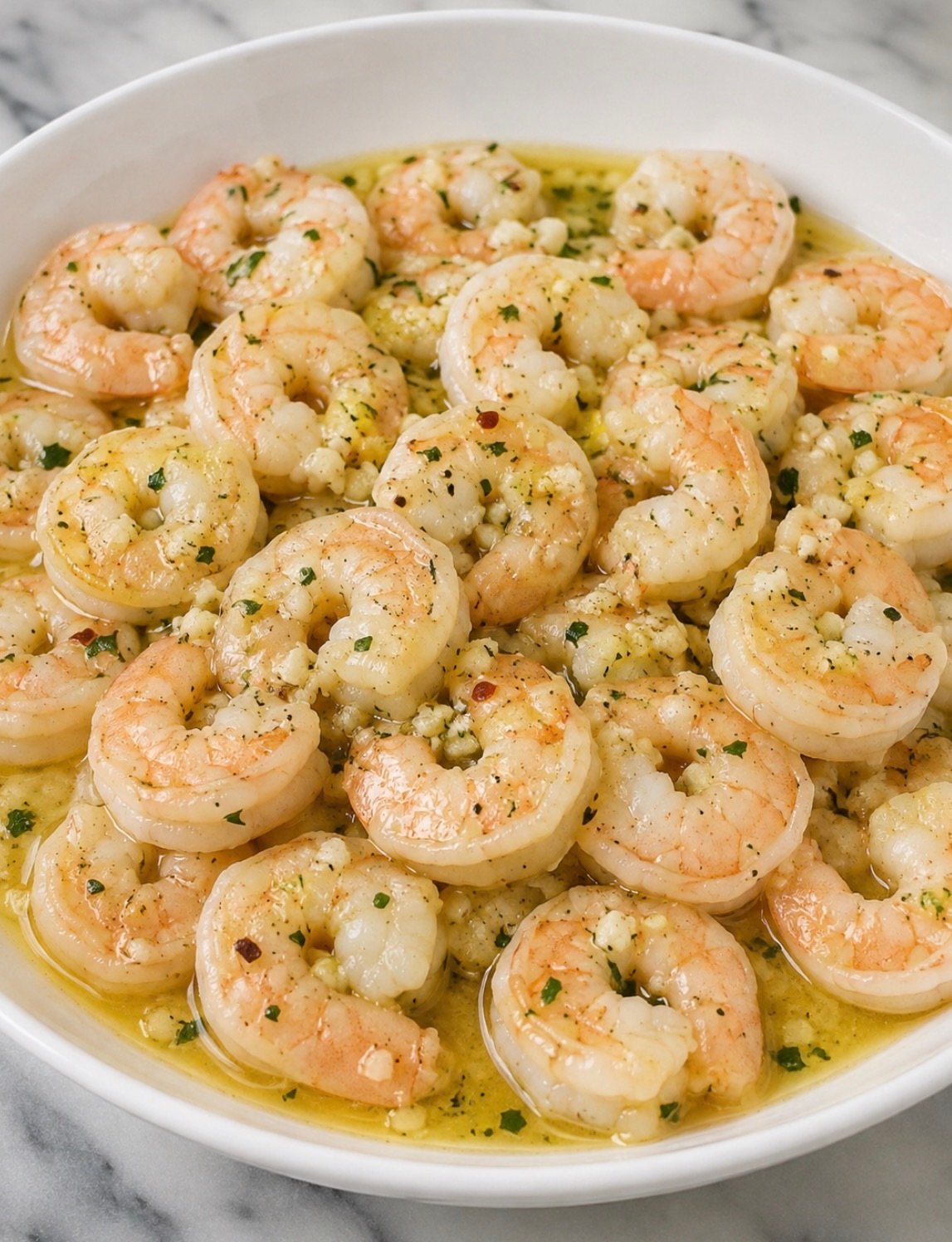
The best marinated shrimp appetizers use shrimp that’s already cooked, tossed cold in a lemon garlic marinade and chilled for at least two hours, because raw shrimp left sitting in lemon juice starts to “cook” from the acid and turns rubbery.
I used to think marinating meant dumping raw shrimp into a bowl of lemon juice and garlic the night before a party and calling it done. That’s actually the fastest way to ruin a bowl of shrimp. The acid in lemon juice denatures the protein the same way heat does, so raw shrimp sitting in it for hours turns tight, chewy, and a little chalky, the exact texture nobody wants on an appetizer platter.
Once I switched to cooking the shrimp first and marinating it after, the whole problem disappeared. The shrimp stays plump and snappy, the marinade still soaks in plenty of flavor, and I can make the whole thing a full day ahead without worrying about texture. This one gets requested at every potluck I bring it to now.
Below is exactly how I make it, why the order of operations matters so much, and how long you can actually leave it in the fridge before it stops tasting its best.
Key Takeaways
- Cook the shrimp first, then marinate it cold. Raw shrimp in an acidic marinade turns rubbery within a few hours.
- The marinade is just olive oil, lemon juice and zest, garlic, and fresh herbs, nothing fancy required.
- Marinated shrimp is best after 2 hours and holds well up to 24 hours in the fridge, which makes it a genuine make-ahead appetizer.
- Past about 24 hours, the shrimp starts to lose its firm bite even when it’s already cooked, so treat this as a next-day dish, not a three-day-ahead one.
- Serve it cold, straight out of the fridge, with toothpicks or a small bowl for the marinade to double as a dip.
Table of Contents
Why I cook the shrimp before it ever touches the marinade
The first time I made this for a dinner party, I did what most raw recipes tell you to do. I marinated raw shrimp overnight in lemon juice, garlic, and olive oil, figuring more time meant more flavor. By the next evening the shrimp had gone from translucent and glossy to opaque, tight, and weirdly firm, almost like the texture of ceviche that sat too long.
That’s exactly what happened. Lemon juice is acidic enough to denature the proteins in raw shrimp the same way heat would, so it essentially cooks the shrimp chemically over time. Leave it long enough and the outside toughens up while the inside can still taste undercooked, which is the opposite of appetizing.
Now I cook the shrimp in simmering water or a hot pan first, just until it turns pink and curls into a loose C shape, then let the marinade do its job on shrimp that’s already done cooking. The acid still flavors it beautifully. It just doesn’t have raw protein to chemically overcook anymore.
What goes in the marinade
This one stays simple on purpose. I want the lemon and garlic to actually taste like lemon and garlic, not get buried under ten other ingredients.
- 2/3 cup good olive oil
- Juice and zest of 2 large lemons
- 4 cloves garlic, minced (an garlic press makes quick work of this)
- 2 tablespoons chopped fresh parsley or dill
- 1 teaspoon Dijon mustard
- 1/2 teaspoon red pepper flakes, optional
- Salt and black pepper to taste
I always reach for a fruity, mild olive oil here since it’s doing a lot of the flavor work uncooked. I keep a bottle of California Olive Ranch Everyday Extra Virgin Olive Oil on hand specifically for marinades like this one, since it’s mild enough not to fight with the lemon. If you want something a little fruitier, this extra virgin olive oil works well here too.
How to make it, step by step
- Bring a large pot of salted water to a boil, then add 2 pounds of large peeled and deveined shrimp. Cook for about 2 minutes, just until pink and opaque, then drain immediately.
- Rinse the shrimp under cold water or drop it into an ice bath to stop the cooking fast. Kitchen tongs make it easy to move the shrimp straight from the boiling water into the ice bath without splashing yourself. This step matters more than people think, since carryover heat alone can overcook shrimp in under a minute.
- Whisk the olive oil, lemon juice, lemon zest, garlic, mustard, red pepper flakes, salt, and pepper together in a large bowl.
- Add the cooled, drained shrimp to the bowl and toss until every piece is coated.
- Cover and refrigerate for at least 2 hours, or up to overnight, stirring once or twice so the marinade redistributes.
- Taste before serving and add a pinch more salt or a squeeze of fresh lemon if it needs brightening, since cold food always tastes slightly muted.
A good OXO shrimp cleaner and deveiner makes step one a lot faster if you’re starting from raw shrimp with the shells still on. It shaves a solid ten minutes off prep when you’re doing two pounds at once.
Can you marinate shrimp overnight
Yes, and this is honestly the whole point of making shrimp this way instead of grilling it fresh. Because the shrimp is already cooked before it meets the lemon and garlic, the marinade is just chilling and flavoring it, not chemically changing the texture the way it would with raw shrimp.
I’ve left this in the fridge anywhere from 2 hours to a full 24 hours and it’s been good both times, with the overnight batch actually tasting a little more garlicky and lemony by the next day. I wouldn’t push it much past 24 hours though. The shrimp starts to firm up and lose some of that just-cooked snap even once it’s fully cooked, since it’s still sitting in acid the whole time.
If you’re prepping for a party, the night-before window is the sweet spot. Cook the shrimp, mix the marinade, combine them before bed, and pull the bowl out of the fridge the next day ready to serve.
Serving it
I serve this straight from the fridge in a shallow bowl set over a bed of ice if it’s a warm day, with toothpicks stuck around the rim so people can grab pieces easily.
It also works spooned over butter lettuce leaves for a low-carb starter, or piled onto crackers with a little extra marinade drizzled on top.
Leftover marinade doubles nicely as a dip for crusty bread, since it’s basically a garlic lemon vinaigrette at that point.
The one mistake I won’t make again
The rubbery batch I mentioned earlier taught me something I didn’t expect. It wasn’t just that I’d left the raw shrimp in the marinade too long, it was that I’d assumed “marinate” automatically meant raw, the way it does for a steak or chicken thigh.
Shrimp cooks so fast that by the time acid has any real effect on it, it’s already gone past the texture you want. Now when a recipe calls for marinating raw shrimp for more than 30 minutes, I treat that as a red flag and cook the shrimp first instead. It’s a small switch that fixed a problem I’d been blaming on the shrimp itself for years.
A make-ahead appetizer worth keeping in rotation
This has become one of my go-to dishes specifically because it gets better with a little time in the fridge instead of worse. Most appetizers I make the day before start to look tired by party time, but this one just gets more flavorful as the lemon and garlic settle into the shrimp. It travels well too, since it’s meant to be served cold anyway.
If you’re planning food for a gathering, this is one dish you can genuinely cross off your list the night before and not think about again until you’re setting the table.
Frequently Asked Questions
Can you marinate raw shrimp in lemon juice?
You can, but only briefly, since the acid starts to chemically cook raw shrimp within about 30 minutes and turns it rubbery if it sits much longer. For anything longer than that, cook the shrimp first and marinate it cold afterward.
How long does marinated shrimp last in the fridge?
Cooked shrimp in a lemon garlic marinade stays good for up to 24 hours in the refrigerator and tastes best within the first day. After that the texture starts to firm up even though it’s fully cooked.
Do you serve marinated shrimp appetizers hot or cold?
Cold, straight out of the fridge. The marinade is meant to be a chilled dressing, not a warm sauce, so this dish is served the same way a shrimp cocktail would be.
What size shrimp works best for this recipe?
Large or extra-large shrimp, usually labeled 16/20 or 21/25 per pound, hold up best since they don’t overcook as quickly during that initial boil. Smaller shrimp can turn tough fast if you’re not watching the clock closely.
Can you freeze marinated shrimp?
I don’t recommend it. Freezing and thawing changes the texture of already-cooked shrimp and makes it noticeably softer once it’s marinated, so this one is really a make-it-a-day-ahead dish, not a freezer one.
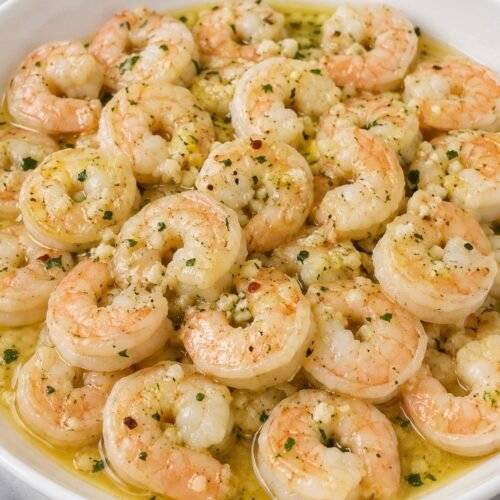
Lemon Garlic Marinated Shrimp
Ingredients
- 2 lbs large shrimp (16/20 count), peeled and deveined
- ⅔ cup olive oil
- Juice and zest of 2 large lemons
- 4 cloves garlic, minced
- 2 tbsp chopped fresh parsley or dill
- 1 tsp Dijon mustard
- ½ tsp red pepper flakes (optional)
- Salt and black pepper, to taste
Instructions
- Bring a large pot of salted water to a boil and add the shrimp. Cook about 2 minutes, until pink and opaque, then drain.
- Rinse the shrimp under cold water or plunge into an ice bath to stop the cooking.
- Whisk together the olive oil, lemon juice, lemon zest, garlic, mustard, red pepper flakes, salt, and pepper in a large bowl.
- Add the cooled shrimp to the bowl and toss to coat evenly.
- Cover and refrigerate at least 2 hours, or up to overnight, stirring once or twice.
- Taste and adjust seasoning before serving cold.
Notes

Cynthia Odenu-Odenu is the founder of Cyanne Eats. A registered nurse with a passion for food, she brings the same attention to detail from her professional life into the kitchen. From chain restaurant rankings to grocery finds and easy recipes, Cynthia covers it all and helps everyday food lovers eat better and spend smarter.