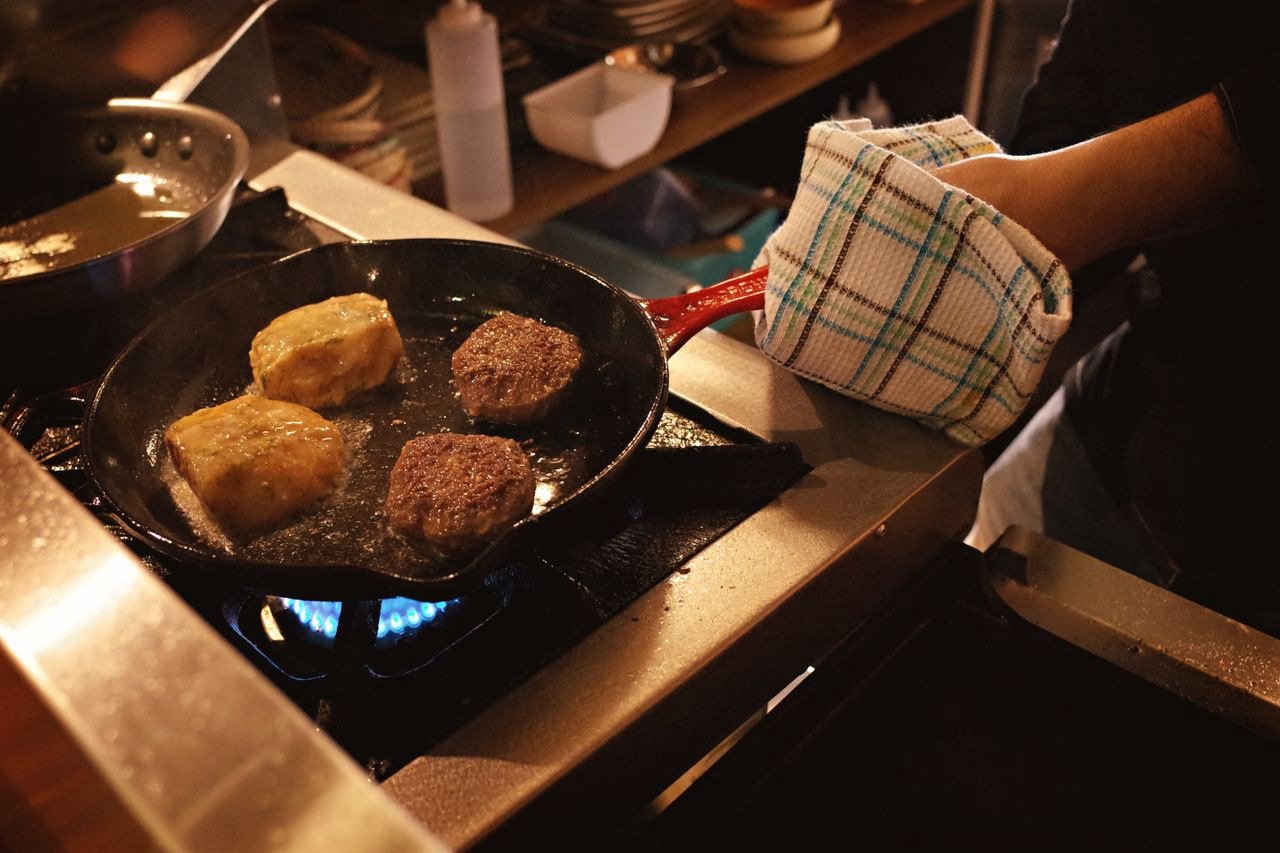
The cast iron and Dutch oven finds worth owning are a real cast iron skillet, an enameled Dutch oven, and the small accessories, like a chainmail scrubber and a hot handle holder, that keep them working right for decades instead of getting ruined and tossed in a few years.
Most of what’s in my kitchen gets replaced eventually. Nonstick pans wear out, plastic gadgets crack, and even good knives need replacing after enough years of use, but my cast iron skillet just keeps getting better.
I’ve had the same skillet for over a decade now, and it’s smoother and more nonstick today than the day I bought it, which is basically the opposite of how every other pan in my cabinet behaves. That’s the whole appeal of this stuff, it’s cookware that rewards you for using it instead of quietly degrading with age.
These are the seven pieces I’d actually put money toward, the real cookware plus the cheap accessories that determine whether a good pan lasts twenty years or gets ruined in two.
Table of Contents
Key Takeaways
- Cast iron and enameled cookware are some of the only kitchen items that last decades instead of a couple of years
- A cast iron skillet gets better with age if you take care of it, which is the opposite of nearly everything else in a kitchen
- The right cleaning tools matter as much as the pan itself, since stripping the seasoning is the most common way people ruin a good skillet
- Enameled cast iron fills in the gap bare cast iron can’t, handling acidic dishes that would strip a skillet’s seasoning
- None of this needs to be babied, it needs to be used regularly and cleaned the right way, which is honestly less work than people assume
1. The Skillet That Gets Better the Longer You Own It
Nonstick pans start losing their coating within a couple years no matter how careful you are with them, and once that happens, they’re done. The Lodge 11″ Cast Iron Skillet works the opposite way, since every meal cooked in it adds another thin layer to the seasoning, and mine is genuinely more nonstick now than it was the first year I owned it.
Eleven inches is big enough for a full meal but still light enough to actually lift with one hand, which matters more than it sounds like once you’ve used a 15 inch skillet a few times. This is the piece that outlasts everything else you’ll buy for your kitchen this decade, cared for right, it’ll still be in someone’s kitchen fifty years from now.
2. A Dutch Oven Built to Be the Last One You Ever Buy
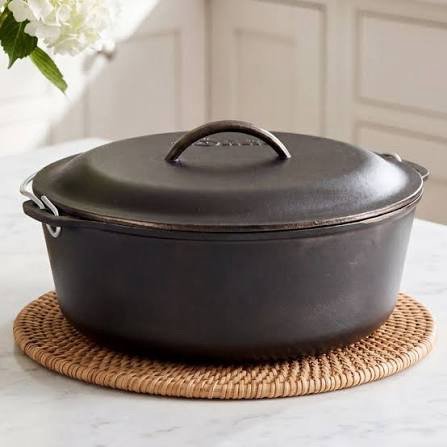
Enameled cast iron doesn’t need seasoning the way bare cast iron does, since the enamel coating does that job permanently and won’t wear off with normal use. The Birch Lane Round Dutch Oven with Lid handles braises, soups, and bread baking for years without the maintenance routine a bare skillet needs.
The heavy walls mean it holds and distributes heat far more evenly than a thin stainless pot, which is the actual reason braises come out better in one of these. It’s an investment piece in the truest sense, since a well cared for enameled Dutch oven from a solid maker can genuinely outlast a kitchen remodel or two.
3. The Nonstick Pan Worth Owning Right Alongside Your Cast Iron
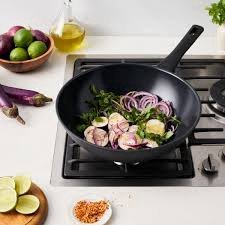
Cast iron isn’t the right tool for everything, and pretending otherwise is how people end up frustrated with eggs sticking or a delicate fish falling apart. The Zwilling J.A. Henckels Madura Plus 12″ Nonstick Stir Fry Pan is the pan I reach for on exactly those mornings, since a well seasoned skillet just isn’t built for the job the same way.
Owning both isn’t overlap, it’s coverage, since cast iron handles the high heat searing and the nonstick handles the delicate stuff cast iron never will. Nonstick pans don’t last as long as cast iron does, so buying a genuinely good one instead of a cheap set makes it a smarter long term pairing.
4. A Chainmail Scrubber So You Stop Stripping the Seasoning
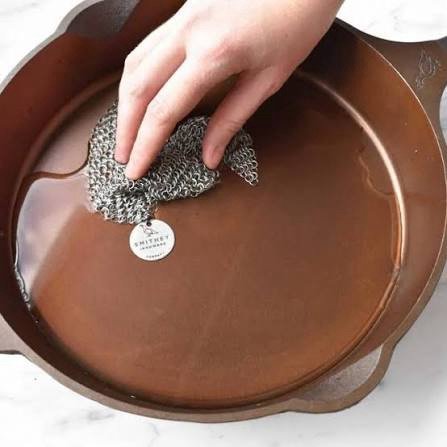
The number one way people ruin a good cast iron skillet isn’t rust, it’s scrubbing it with steel wool or dish soap that strips the seasoning layer right back off. A chainmail scrubber gets stuck food off without touching the seasoning underneath, which is exactly the balance you need for a pan you actually cook with regularly.
I keep mine hanging right next to the stove so it’s never a hassle to reach for after dinner instead of grabbing whatever sponge is sitting in the sink. It’s a five dollar habit that determines whether your skillet lasts five years or fifty.
5. The Handle Cover That Saves You From Burning Yourself Every Time
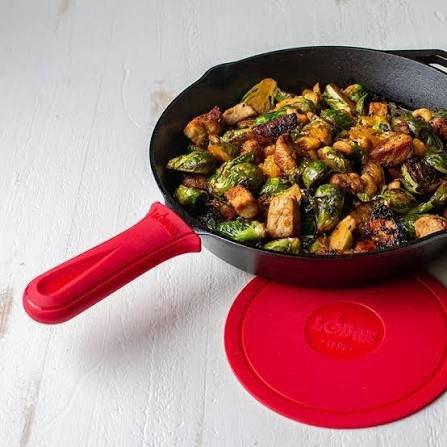
Cast iron handles hold heat for a genuinely long time after the pan comes off the stove, long enough that I’ve grabbed mine bare handed out of habit more times than I’d like to admit. A silicone hot handle holder slides right on and stays put through the whole cooking process, so there’s no fumbling for a towel with food still going.
It’s the kind of accessory that feels optional until the first time it saves you from a burn, and after that it never leaves the handle. Cheap, small, and genuinely useful every single time you cook.
6. The Oil That Actually Keeps the Seasoning Built Up
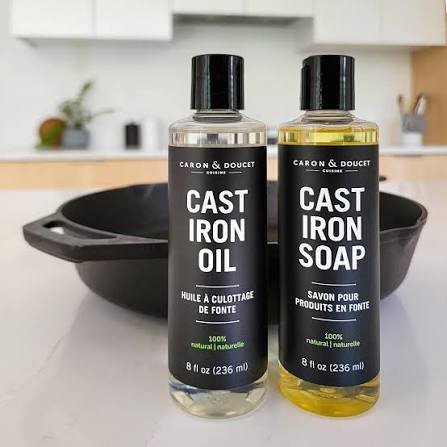
Regular cooking oil works fine for seasoning in a pinch, but a proper cast iron conditioning oil is formulated to polymerize into a harder, more durable layer than something like olive oil ever will. I run a thin coat over my skillet every few weeks, more often if I’ve cooked something acidic that took a little seasoning with it.
It takes about two minutes and keeps the pan from ever getting to the point where it needs a full re-season from scratch. This is the maintenance step that separates a skillet that lasts decades from one that ends up rusted in the back of a cabinet.
7. The Enameled Piece for Everything Cast Iron Can’t Handle
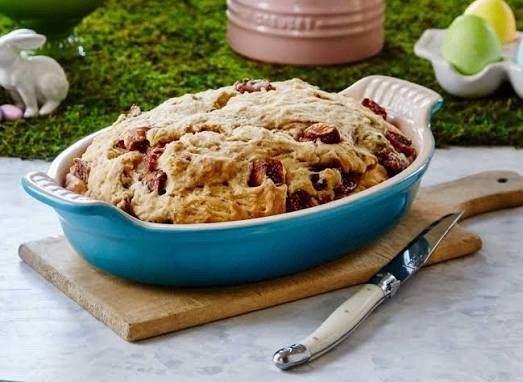
Tomato sauce, wine reductions, and anything heavy on citrus or vinegar will strip seasoning off bare cast iron faster than almost anything else you cook. The Le Creuset 1.7 Quart Stoneware Heritage Au Gratin Dish handles all of that without a second thought, since the enameled surface doesn’t react to acid the way bare iron does.
I use mine for anything with a tomato base or a lot of citrus that I’d otherwise have to babysit in a stainless pan instead. It rounds out a cast iron collection by covering the one category cast iron was never really built for, and it’s built to last just as long doing it.
Buy It Once and Actually Use It
The whole point of this kind of cookware is that it’s not disposable, so treat the purchase that way. A good skillet and a good Dutch oven cost more upfront than a nonstick set from a big box store, but you’re not buying a replacement again in three years.
The accessories matter just as much as the cookware itself. A scrubber, a handle holder, and a bottle of seasoning oil cost next to nothing next to the pans they’re protecting, and they’re the actual reason a skillet makes it to year twenty instead of year two.
FAQ
Is cast iron actually worth the extra money over nonstick?
Yes, since a well maintained cast iron skillet lasts decades while most nonstick pans need replacing every two to three years. The upfront cost evens out fast once you factor in how many nonstick pans you’d buy over that same stretch.
How do I clean cast iron without ruining the seasoning?
Skip soap and steel wool, and use a chainmail scrubber or a stiff brush with hot water instead. Dry it fully and add a thin layer of oil before it goes back into the cabinet.
Can I cook tomato sauce or acidic food in cast iron?
You can occasionally, but regular acidic cooking will strip seasoning faster than it can rebuild. An enameled piece is the better everyday choice for tomato sauces, citrus, and wine-based dishes.
What’s the difference between bare cast iron and enameled cast iron?
Bare cast iron needs a seasoning layer built up and maintained over time, while enameled cast iron comes with a permanent coating that doesn’t react to acid and needs no seasoning at all. Bare cast iron holds higher heat for searing, while enameled pieces are better for braises and acidic dishes.
How often should I re-season a cast iron skillet?
A quick oil wipe after every wash keeps a well seasoned pan in good shape indefinitely. A full re-season is only needed if the pan develops rust or bare spots, which usually only happens after it’s been left wet or scrubbed too aggressively.

Cynthia Odenu-Odenu is the founder of Cyanne Eats. A registered nurse with a passion for food, she brings the same attention to detail from her professional life into the kitchen. From chain restaurant rankings to grocery finds and easy recipes, Cynthia covers it all and helps everyday food lovers eat better and spend smarter.