
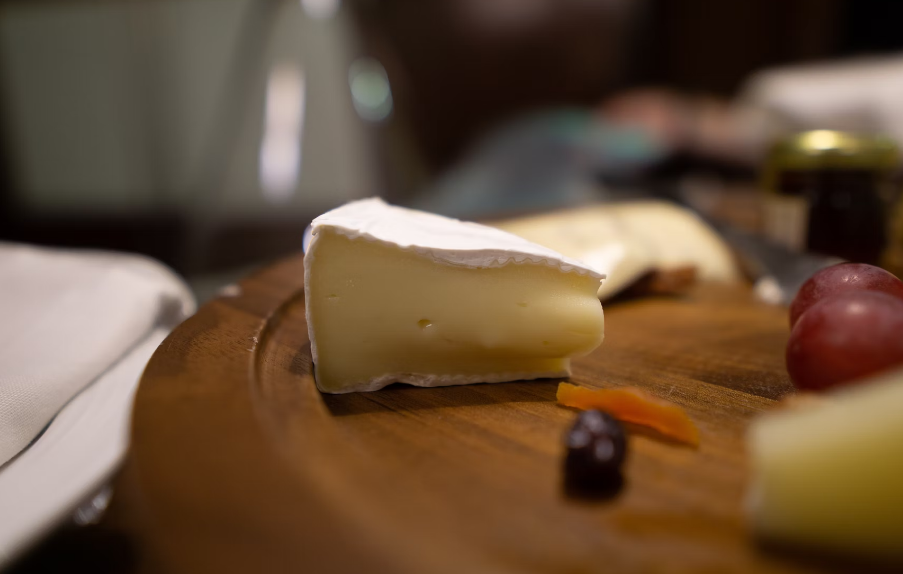
Yes, you can microwave brie. Cut off the top rind, microwave on high in 15-30 second bursts, and it’ll come out soft, creamy, and ready to serve in under a minute. It’s a quick alternative to baking it in the oven, and if you’re careful not to overcook it, the taste holds up just as well.
In this article, I’ll show you how to microwave brie perfectly every time, plus tips for serving it and using it in recipes.
Key Takeaways
- Microwave brie in 15-30 second bursts on high, checking each time, for a total of 30-45 seconds.
- Cut off the top rind first so the cheese heats and melts more evenly.
- Watch it closely, since brie’s high fat content means it overcooks fast and turns oily and rubbery.
- The oven gives you a more even melt, but the microwave is faster if you’re careful about timing.
Table of Contents
Can You Microwave Brie?
Yes, and it’s a lot faster than the oven. I tried this when I was in a hurry to put together a snack. I had a wheel of brie in the fridge that I’d been meaning to eat, but I didn’t have time to heat it in the oven, so I microwaved it instead.
I cut off the top rind and placed it on a microwave-safe plate, then microwaved it on high for 30 seconds. It wasn’t quite heated through, so I gave it another 15 seconds.
When I took it out, it was perfectly heated: soft and creamy, with a slightly crispy rind. I served it with crackers and fruit, and it made for a quick, delicious snack.
Whether you microwave brie or bake it comes down to personal preference. Microwaving is faster, while baking gives you a more even texture. If you do microwave it, follow the tips below to avoid overcooking the cheese.
Advantages and Disadvantages of Microwaving Brie
Here’s how microwaving brie stacks up against baking it:
Advantages of Microwaving Brie
- Quick and easy: Microwaving a wheel of brie takes just 30-45 seconds, compared to 10-15 minutes in the oven, making it a great option when you’re short on time.
- Convenient: Microwaves are widely available in most homes and workplaces, so you can heat up brie almost anywhere.
- Versatile: Microwaved brie works warm or cold. Warm, it’s a great appetizer or snack; cold, it works well in salads, sandwiches, and wraps. It’s also handy for recipes like baked brie or brie en croute.
Disadvantages of Microwaving Brie
- Can overcook easily: Brie’s high fat content means it overcooks fast in the microwave, turning oily or rubbery. Heat it in short intervals and check frequently to avoid this.
- Can heat unevenly: Microwaves heat by exciting water molecules, and since water isn’t distributed evenly through brie, some spots can overcook while others stay cold. Cutting the cheese into smaller pieces helps it heat more evenly.
- Can lose its texture: Microwaving can break down the proteins in brie, making it tough and chewy instead of creamy. Microwave for the shortest time necessary to minimize this.
Can You Microwave Brie With Jam?
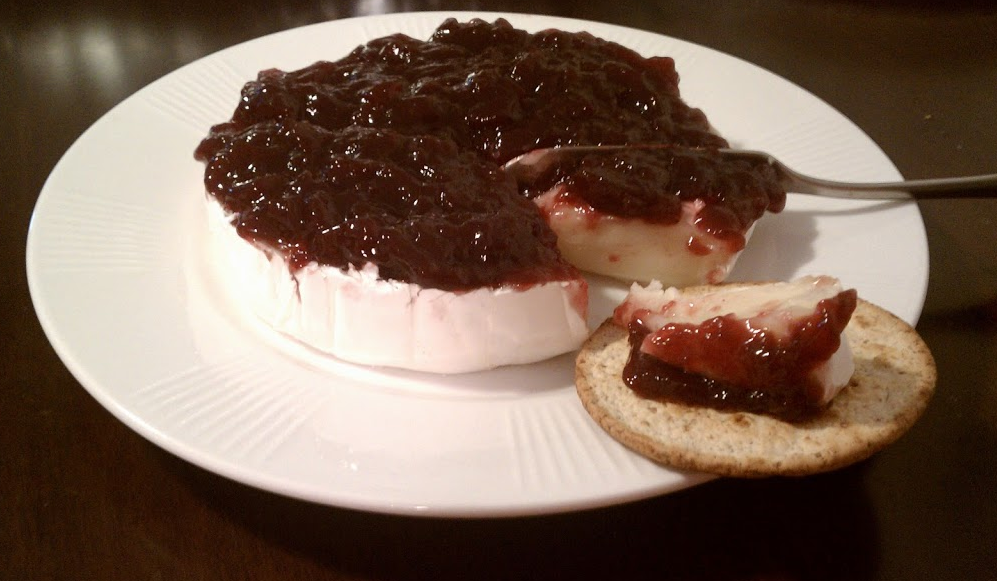
Yes, and it makes for a quick, delicious appetizer. Just know that microwaving brie with jam can cause the jam to bubble and splatter.
To avoid a mess, place the brie on a microwave-safe plate with a rim, or use a dedicated brie baker. Covering it with a piece of microwave-safe plastic wrap before microwaving helps too.
Watch it closely so it doesn’t overcook. Overcooked brie turns oily and rubbery, so check it frequently while it’s in the microwave.
Is It Better to Bake Brie in the Oven Instead?
Baking gives you a more evenly melted result, but it takes longer. Ovens heat with hot air circulating around the food, which cooks brie evenly all the way through. Microwaves heat by exciting water molecules, and since brie’s water content isn’t evenly distributed, some parts can end up overcooked while others stay cold.
Microwaving also runs a higher risk of breaking down the proteins in brie, which can leave it tough and chewy instead of creamy. If you have the extra 10-15 minutes, baking at 350°F gets you the most reliably smooth, gooey texture. If you’re short on time, the microwave still gets the job done as long as you watch it closely.
How to Avoid Overcooking Brie in the Microwave
Brie can turn oily and rubbery fast if you microwave it too long, since the fat starts to break down once it overheats. The fix is simple: microwave it in short intervals and check it frequently rather than setting a long timer and walking away.
If you’re new to microwaving brie, start with 30 seconds, check it, and add more time in small increments if it needs it. Checking often is the single best way to avoid ending up with an overcooked wheel.
How Long Can You Microwave Brie?
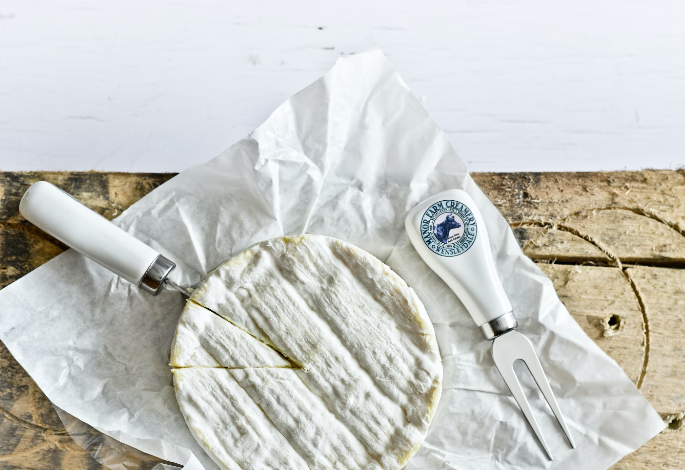
Microwave brie for 30-45 seconds total, or until it’s melted and gooey. Check it frequently while it’s in there, since overcooked brie turns oily and rubbery.
Brie’s high fat and water content means it heats well in the microwave, but that same fat melts fast, which is what makes it so easy to overcook.
Stick to short intervals and check often. You can always microwave it a bit longer if it needs it, but you can’t undo an overcooked wheel.
How to Melt Brie in Microwave
To melt brie in the microwave:
Step 1: Cut off the top rind of the brie.
The rind is edible but tough and chewy, and it can keep the cheese from melting evenly. Use a sharp knife to remove the top of the cheese before microwaving.
Step 2: Place the brie on a microwave-safe plate.
This keeps the cheese from sticking to the microwave. If you don’t have a microwave-safe plate handy, a piece of parchment paper works too.
Step 3: Microwave on high for 30 seconds at a time, checking it frequently.
Start with 30 seconds, then check whether it’s melted. If not, microwave for another 30 seconds and check again. Keep going in 30-second intervals until it’s melted and gooey.
Step 4: Let it cool for a few minutes before serving.
Melted brie holds heat, so give it a few minutes to cool before you dig in.
My Take
Now you know how to microwave brie without ending up with an oily, rubbery mess. It’s a soft cheese with a high fat content, so it overcooks fast, but short intervals and frequent checks keep it creamy every time. And if you do overcook it, it’s still edible, just not as delicious, so don’t be afraid to experiment and find the right timing for your microwave.
FAQs
Can you eat the rind on brie?
Yes, the rind is edible and made from an edible mold, not wax. It’s fine to eat, but it’s tougher and chewier than the inside, so many people cut it off before melting the cheese for a smoother result.
Why did my microwaved brie turn oily?
That happens when it’s overcooked. The fat in brie melts fast under microwave heat, and once it goes too long, the cheese separates and turns oily and rubbery instead of staying creamy.
Can you refreeze or reheat brie a second time?
You can reheat brie again, but each round in the microwave increases the risk of overcooking it. It’s best to only heat the amount you plan to eat right away rather than reheating leftovers multiple times.

Cynthia Odenu-Odenu is the founder of Cyanne Eats. A registered nurse with a passion for food, she brings the same attention to detail from her professional life into the kitchen. From chain restaurant rankings to grocery finds and easy recipes, Cynthia covers it all and helps everyday food lovers eat better and spend smarter.