
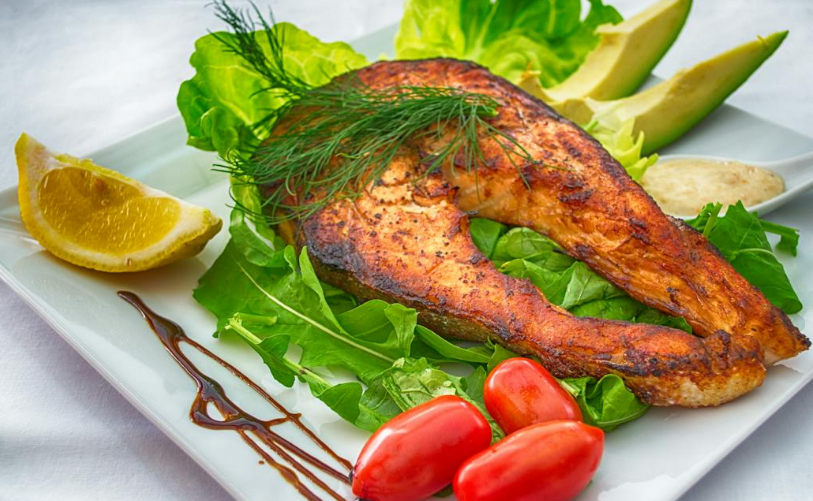
Yes, you can microwave cooked salmon. Use 30% to 50% power, heat in 30-second intervals, add moisture, and cover it to avoid dryness and smell.
I do it regularly when I need lunch on the table in under five minutes. The key is low power and short bursts, not blasting it on high until it turns rubbery.
That said, the microwave is not the best way to reheat salmon. It works, but there are situations where you are better off using the oven or just eating it cold. I will cover all of it so you can make the right call based on what you actually have time for.
Key Takeaways
- You can microwave cooked salmon safely using 30% to 50% power in 30-second intervals.
- Always add a splash of water or lemon juice before microwaving to prevent dryness.
- Cover the salmon while microwaving to trap steam and control the smell.
- Reheat to an internal temperature of 145°F to confirm it is safe to eat.
- Do not microwave salmon at the office. The smell will linger for hours and your coworkers will not forget it.
- Eating cold leftover salmon in a salad or grain bowl is often a better move than reheating it.
Table of Contents
How to Reheat Cooked Salmon in the Microwave
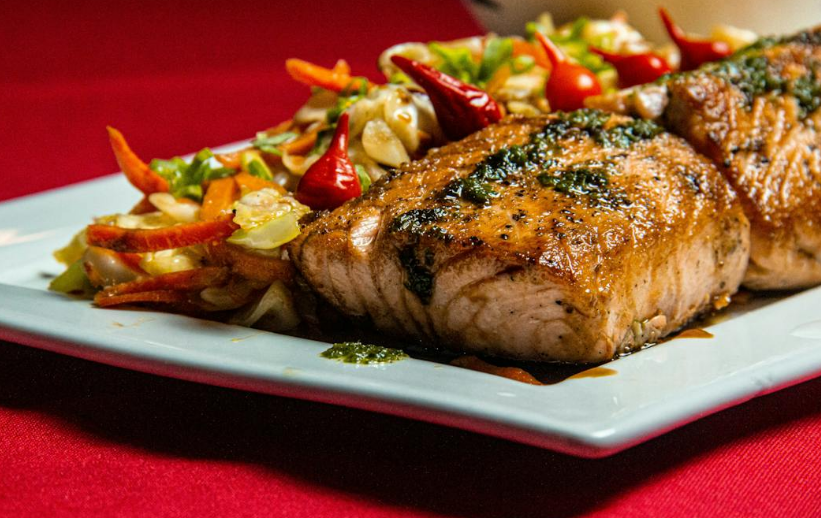
This is the step-by-step I use every time. It takes about two minutes and gives you moist, evenly heated salmon rather than a dry, rubbery mess.
Step 1: Let the salmon sit out for 10 minutes first
Take the salmon out of the fridge and let it sit at room temperature for about 10 minutes before microwaving. Cold salmon straight from the fridge heats unevenly in the microwave, leaving the outside hot and the center cold. Tempering it first closes that gap.
Step 2: Add a small amount of moisture
Place the salmon on a microwave-safe plate and add a teaspoon of water, broth, or lemon juice directly on top of or around the fillet. This creates steam during heating, which keeps the fish from drying out.
If you have it, a thin layer of olive oil on the surface works well too. It acts as a seal and slows down moisture loss.
Step 3: Cover it
Cover the plate with a microwave-safe lid or splatter cover before heating. I use the Kichwit Collapsible Silicone Microwave Cover. It traps the steam, speeds up heating, and cuts down significantly on smell escaping into the kitchen. A damp paper towel laid directly over the salmon works if you do not have a cover.
Step 4: Set power to 30% to 50%
This is the most important step. Do not use full power. High power rapidly agitates water molecules in the fish, which pushes moisture out and tightens the proteins. The result is dry, rubbery salmon.
Set your microwave to 30% power for delicate fillets or 50% for thicker pieces.
Step 5: Heat in 30-second intervals
Microwave for 30 seconds, then check the salmon. If it needs more time, go another 30 seconds. Most fillets are done in 1 to 1.5 minutes total. Thicker pieces may need 2 minutes.
Step 6: Check the temperature
The salmon is ready when it reaches an internal temperature of 145°F. The only reliable way to confirm this is with a thermometer. I use the Alpha Grillers Instant Read Meat Thermometer, which reads in one to two seconds and is accurate to within one degree.
If you do not have a thermometer, the salmon should be opaque all the way through and flake easily when pressed with a fork.
Step 7: Let it rest for one minute
Leave the cover on for one more minute after microwaving. The residual steam continues to finish heating the center without overcooking the edges.
The Smell Problem: What Causes It and How to Deal with It
This is the part most articles skip past, and it is the biggest real-world issue with microwaving salmon.
When salmon heats up, it releases compounds called trimethylamine oxides, which oxidize quickly and produce a strong, lingering fish smell. The older the leftover salmon is, the stronger this gets. Reheating amplifies it significantly more than eating it cold.
Before you microwave
- Add lemon juice or vinegar on and around the salmon before heating. Acid neutralizes some of the odor compounds before they become airborne.
- Always cover the salmon. A covered plate keeps most of the smell contained inside.
- Use the lowest effective power setting. Lower heat means slower oxidation and less smell.
After you microwave
- Microwave a bowl of water with two tablespoons of lemon juice or white vinegar for two to three minutes. The steam absorbs the fish smell from the microwave interior.
- Leave the microwave door open for a few minutes to air it out.
- Wipe down the interior with a lemon-scented cloth if the smell is strong.
- For stubborn odor, a dedicated microwave cleaner with foaming action cuts through lingering fish smell faster than lemon water alone.
At the office
Do not microwave salmon at work. I am being direct about this because no amount of covering or prep fully contains the smell in a shared kitchen. The odor travels through vents and into the whole floor. Eat it cold, turn it into a salad, or save it for home. Your coworkers will thank you.
When NOT to Microwave Cooked Salmon
The microwave is the fastest option, but it is not always the right one.
Skip the microwave if: The salmon has been in the fridge for more than three days. At that point the smell when reheated will be very strong and the texture will already be compromised. See if you can repurpose it in a dish with other flavors instead.
Skip the microwave if: You want a slightly crispy exterior. The microwave only steams food. It cannot replicate any surface texture from the original cook. Use a hot skillet with a little oil for two to three minutes per side instead.
Skip the microwave if: The piece is very thick, over an inch and a half. Thick fillets heat unevenly in the microwave no matter what you do. The oven at 275°F with foil and a splash of broth for 15 minutes will do a better job.
Skip the microwave if: You are at the office. Covered above. Just eat it cold.
Other Ways to Reheat Salmon
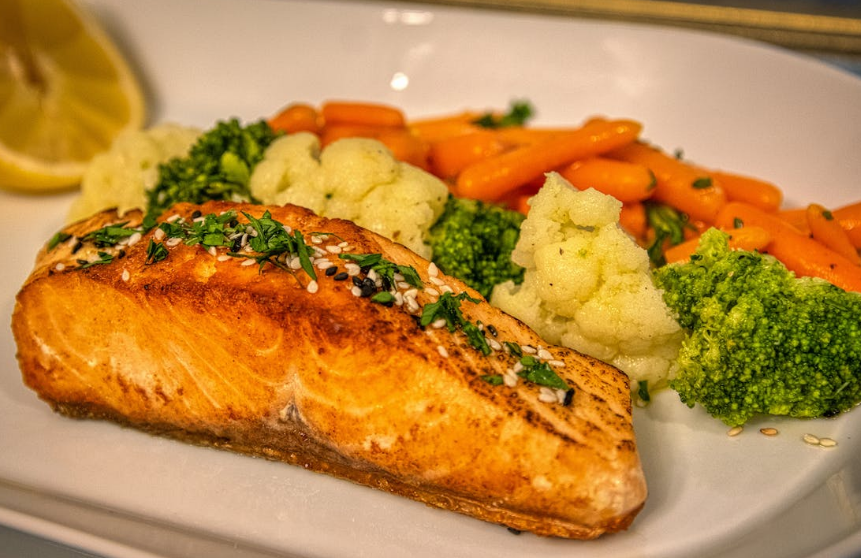
If you have a few extra minutes, these methods give better results than the microwave.
Oven: Set to 275°F. Place the salmon in a baking dish, add a tablespoon of water or broth, and cover tightly with foil. Heat for 12 to 15 minutes. This is the most hands-off method and gives you the most even result.
Skillet: Heat a pan over medium-low with a small amount of butter or oil. Add the salmon and a splash of broth or water. Cover and heat for two to three minutes per side. Good for getting some color back on the surface.
Air fryer: Set to 350°F. Heat for three to four minutes. Works well but dries out the edges faster than the oven method if you are not careful.
Cold: Honestly the most underrated option. Cold leftover salmon in a salad with greens, cucumber, and a lemon dressing is a solid lunch that requires zero reheating and zero smell.
Don’t Reheat It: What to Do with Leftover Cooked Salmon Instead
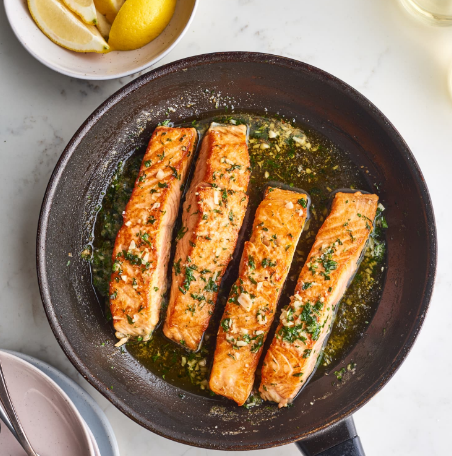
The easiest way to avoid the dry texture and smell problem is to skip reheating entirely and use the salmon in something new. These are quick ideas that come together faster than waiting for an oven.
Salmon salad: Flake cold salmon into a bowl with mayo, diced celery, a little lemon juice, and salt. Use it as a sandwich filling or serve over greens. Ready in two minutes.
Grain bowl: Put cold flaked salmon over rice or quinoa with whatever vegetables you have. Add a simple soy and sesame dressing.
Salmon pasta: Flake leftover salmon into cooked pasta with a little butter, garlic, and pasta water. The warmth of the pasta heats the salmon just enough.
Omelet filling: Flake the cold salmon and fold it into scrambled eggs or an omelet. The eggs do the heating.
For more ideas on using leftovers so nothing goes to waste, check out how to store leftover meatloaf, where I cover the same approach of repurposing before reheating.
How to Cook Raw Salmon in the Microwave
If you are starting with a raw fillet rather than reheating, the microwave can actually cook it from scratch in about five minutes. The results are closer to poached than pan-seared, but it is a genuinely convenient weeknight option.
Step 1: Place the raw salmon fillet skin-side down in a microwave-safe dish.
Step 2: Season with salt, pepper, lemon juice, and a drizzle of olive oil. Add a tablespoon of water to the dish.
Step 3: Cover tightly with a microwave-safe lid or plastic wrap with a small vent.
Step 4: Microwave at 50% power for three to four minutes for a one-inch thick fillet. Start checking at three minutes. The salmon should be opaque and flake easily when done.
Step 5: Confirm the internal temperature hits 145°F before eating.
Note that cooking times vary by wattage. A 700W microwave will need closer to five minutes. A 1,200W microwave may be done in three. Check early and adjust.
My Take
Microwaving cooked salmon is a perfectly fine option when you follow the right steps. Low power, short intervals, moisture, and a cover make the difference between fish that tastes like lunch and fish that tastes like regret. Know when to skip it entirely and eat it cold or use it in something new. That move saves you time, saves the texture, and saves your kitchen from smelling like the docks.
For more on storing and reheating leftovers the right way, check out my guide on how to store leftover meatloaf. A lot of the same rules apply to any cooked protein.
FAQ
Is it safe to reheat cooked salmon in the microwave?
Yes, as long as it reaches an internal temperature of 145°F and has been stored properly in the fridge for no more than 3 to 4 days.
How long does it take to reheat salmon in the microwave?
Most fillets take 1 to 1.5 minutes at 30% to 50% power in 30-second intervals. Thicker pieces may need up to 2 minutes.
Why does salmon smell so bad when microwaved?
Heating salmon releases sulfur compounds and oxidized fatty acids that produce a strong odor. Covering the salmon, adding lemon juice before heating, and microwaving at low power all reduce it.
Can you eat cooked salmon cold the next day?
Yes. Cold leftover salmon is safe to eat within 3 to 4 days of cooking as long as it has been refrigerated. Many people prefer it cold in salads or grain bowls over reheating it.
How many times can you reheat cooked salmon?
Once. Reheating salmon more than one time increases the risk of drying it out completely and raises food safety concerns. If you have more than one serving, only reheat what you plan to eat right away.

Cynthia Odenu-Odenu is the founder of Cyanne Eats. A registered nurse with a passion for food, she brings the same attention to detail from her professional life into the kitchen. From chain restaurant rankings to grocery finds and easy recipes, Cynthia covers it all and helps everyday food lovers eat better and spend smarter.