
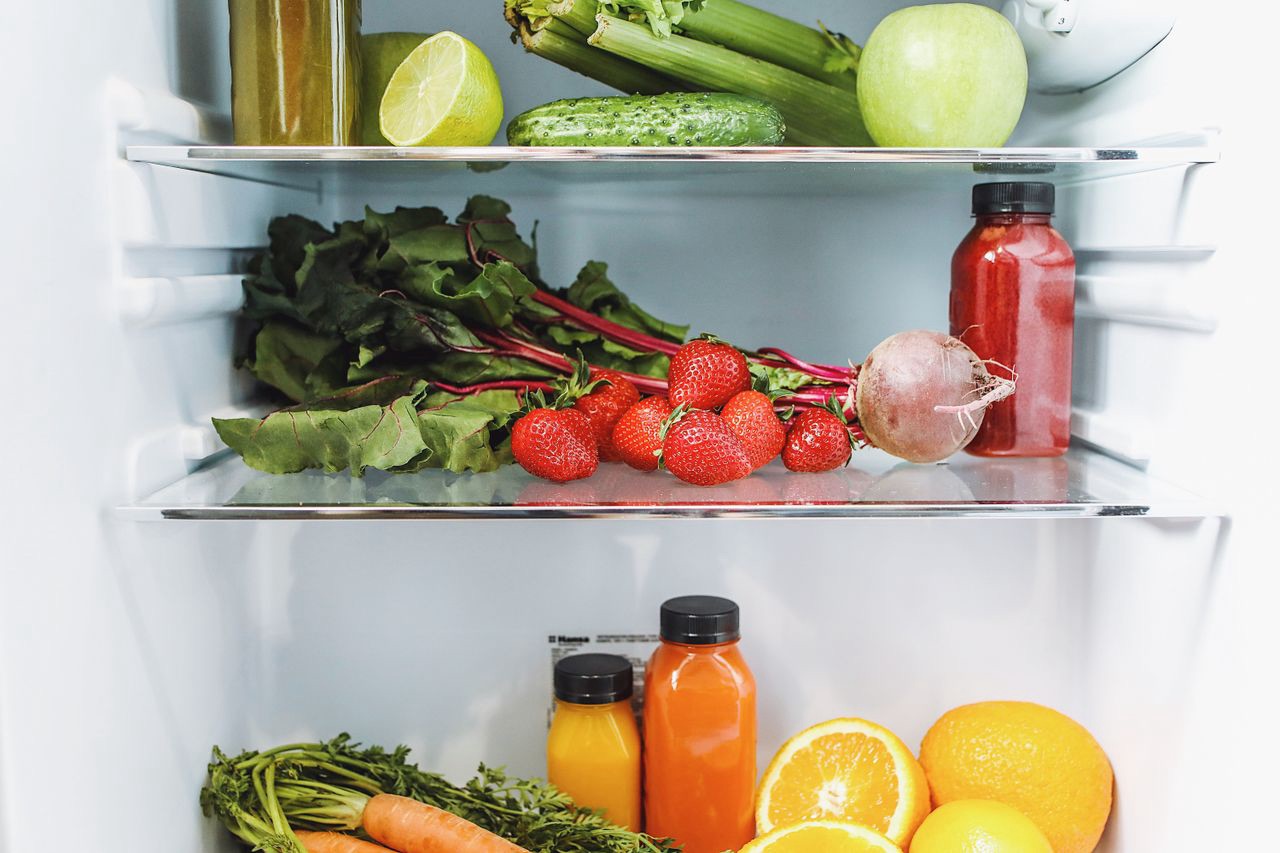
The fridge essentials that separate restaurant-tasting food from average home cooking are a real Parmigiano-Reggiano wedge, Dijon mustard, capers, anchovy paste, good unsalted butter, fresh lemons, buttermilk, crème fraîche, and prepared horseradish, none of which cost much but all of which get skipped on a typical grocery run.
I used to think good cooking came down to technique. Then I spent a year paying attention to what professional cooks keep stocked in their own fridges, and it wasn’t technique. It was nine unglamorous things sitting in their fridge doors and cheese drawers that most home cooks walk past every single week.
None of these are expensive or require a specialty store. What they require is knowing they matter enough to buy in the first place.
Key Takeaways
- A real Parmigiano-Reggiano wedge does more work than any spice in your cabinet, and the rind isn’t garbage
- Dijon mustard isn’t a sandwich condiment first. It’s what makes a vinaigrette hold together instead of separating
- Anchovy paste doesn’t make food taste like fish. It disappears into a sauce and just makes it taste more like itself
- Buttermilk and crème fraîche both outlast their “use by” instincts and do more than pancakes or a dollop on soup
- Fresh lemons belong in the fridge, not a bowl on the counter, if you want them to last
Table of Contents
The 9 Fridge Essentials
Each of these earns its spot because of one specific thing it does, not because a chef said so on camera. Below is what each one changes about how your food tastes, and why.
1. Real Parmigiano-Reggiano, Not the Green Shaker Can
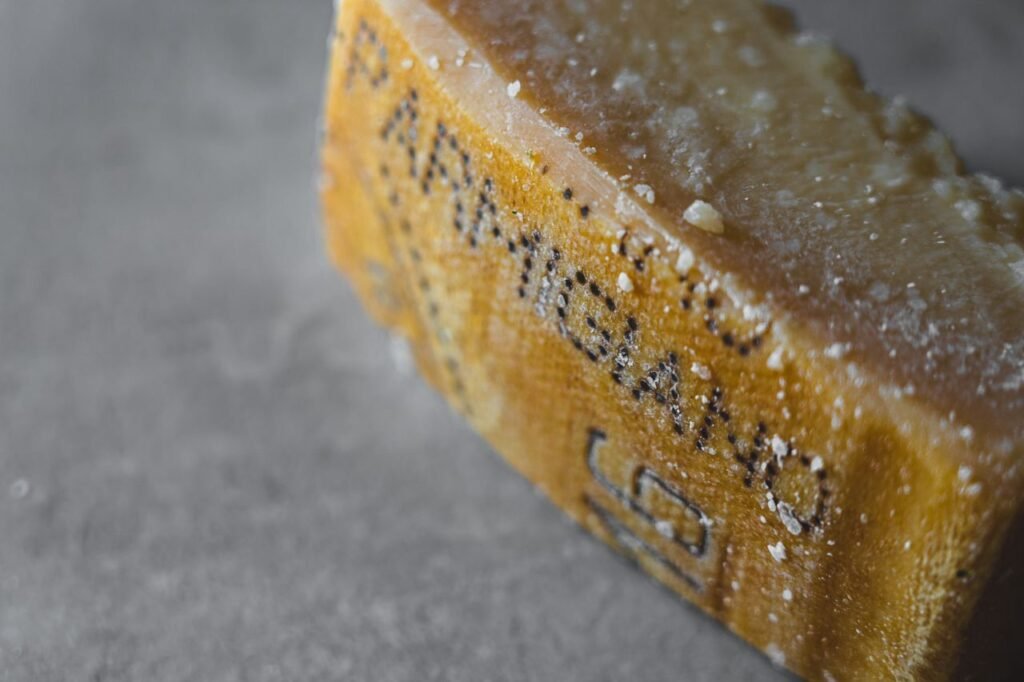
A block of real Parmigiano-Reggiano costs more upfront than a shaker can of the pre-grated stuff, but it lasts for months and does far more per gram. I quit buying the pre-grated tubs years ago, once I read the label closely and saw wood pulp listed as a filler alongside the real cheese, and I’ve never gone back since.
The part almost nobody uses is the rind. Drop it into a pot of soup, tomato sauce, or beans while it simmers, and it slowly melts a savory, salty depth into the whole pot that you can’t get any other way. Pull it out before serving.
I keep mine in a cheese storage bag instead of plastic wrap, since real cheese needs to breathe a little or it turns sweaty and rubbery within a week. My crispy garlic Parmesan potatoes is the recipe that made me finally admit the shaker can wasn’t doing the same job.
2. Dijon Mustard, for Vinaigrettes That Don’t Separate
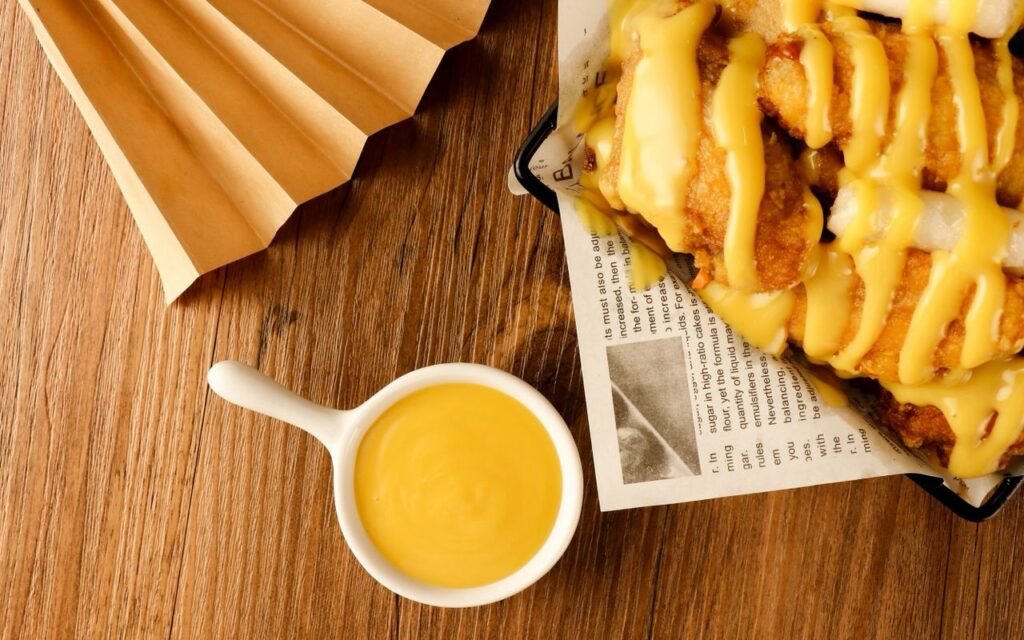
Dijon mustard’s real job in a lot of kitchens has nothing to do with sandwiches. It’s an emulsifier, the thing that lets oil and vinegar bind into a vinaigrette that stays mixed instead of splitting back apart on the plate.
It’s a small technical detail, but it matters more than a long ingredient list ever does. A teaspoon of Dijon whisked in before you add the oil is the difference between a vinaigrette that clings to lettuce and one that pools at the bottom of the bowl.
Maille’s Original Dijon is the classic reference point, sharp and clean without added sweetness that some American-style mustards have. Whisk it with vinegar first, then stream in the oil slowly, and the vinaigrette holds together for days in the fridge instead of separating within the hour.
3. Capers, for Anything That Needs a Salty, Briny Snap
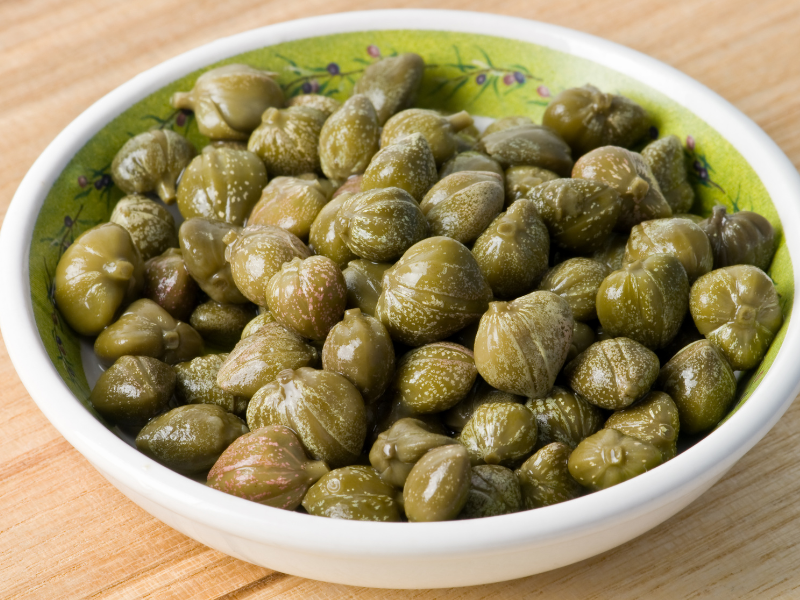
Capers are pickled flower buds, and a small jar goes a long way since a spoonful is usually all a dish needs. They add a briny, almost lemony sharpness that cuts through anything rich, butter sauces, fish, roasted vegetables, pasta.
The mistake most people make is treating them like a garnish instead of an ingredient. Chop them and stir them into a pan sauce while it reduces, and they melt into the background instead of sitting on top as a distinct bite.
Reese’s Non Pareil capers are the small, tight-budded kind that professional kitchens tend to reach for, since the smaller size means more surface area and a more even distribution through a sauce. They keep in the fridge in their brine for months once opened.
4. Anchovy Paste, for Sauces That Taste More Like Themselves
Anchovy paste is the ingredient people are most suspicious of and most wrong about. Used correctly, it doesn’t make anything taste like fish. It dissolves completely into a hot pan and just deepens whatever savory flavor is already there.
I was skeptical the first time I stirred it into a puttanesca sauce, half expecting the whole pot to taste like fish. It didn’t, not even close, it just came out more savory than usual. It works the same way fish sauce does in Southeast Asian cooking, present in the background, never as its own note.
Amore’s anchovy paste comes in a toothpaste-style tube, which makes it easy to squeeze in a half inch at a time instead of committing to a whole tin. Stir it into oil at the start of a pasta sauce, before the garlic browns, so it has time to melt in completely.
5. Good Unsalted Butter, Bought in Bulk
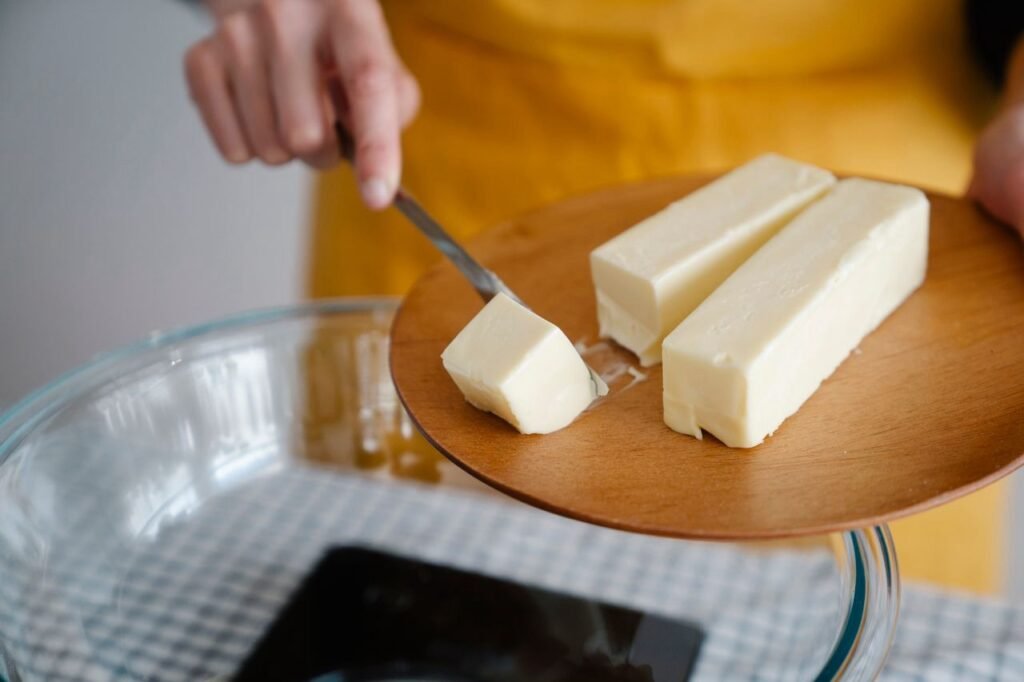
Buying butter one stick at a time is a habit worth breaking. Unsalted butter freezes well for months, so buying it several pounds at a time when it’s on sale means you always have enough for baking, pan sauces, and finishing a dish without a mid-recipe grocery run.
Unsalted matters more than people assume, since salted butter’s salt content varies by brand and makes it harder to control seasoning precisely in baking or a reduction sauce. Keep a stick or two out for everyday cooking and the rest frozen until you need it.
It’s the same logic I run my whole kitchen on: spend on the plain, boring basics that get used constantly, and save the splurging for the one ingredient that makes a dish memorable.
6. Fresh Lemons, Kept in the Fridge Instead of a Bowl
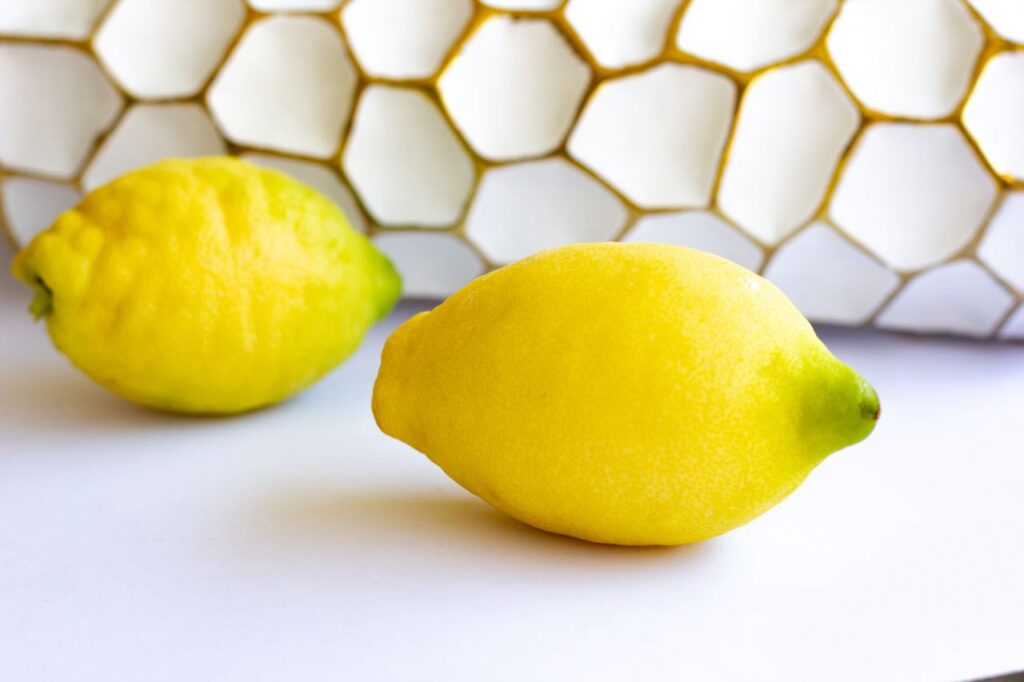
Lemons left in a bowl on the counter start softening and losing juice within about a week. Kept in the fridge, whole and unwrapped in the crisper drawer, they stay firm and juicy for three to four weeks instead.
I kept lemons in a bowl on my counter for years because it looked nice, not because it made sense. Once I moved the bag straight into the crisper drawer, I stopped throwing out shriveled, dried-out lemons before I got around to using them.
Lemon juice and zest brighten almost anything that tastes flat, a soup, a pan sauce, roasted vegetables, without adding sweetness. My blistered cabbage steak with lemon-tahini leans on that exact brightness to balance the char. A produce storage container with a colander insert keeps citrus and other produce from sitting in their own condensation, which is most of what shortens their fridge life in the first place.
7. Buttermilk, Beyond Just Pancakes
Buttermilk’s acidity does more than most people give it credit for. It tenderizes chicken before frying or baking, thins a dressing without watering down the flavor, and adds a tang to biscuits and cornbread that plain milk can’t replicate.
It keeps for two to three weeks past its printed date more often than people expect, since the culturing process that makes it sour also makes it fairly resistant to spoiling early. Give it a sniff and a look before assuming a slightly-past-date carton is bad.
If you only reach for it around pancake mornings, try a quick buttermilk-marinated chicken thigh instead. The acid tenderizes it in under an hour, which is faster than most people assume marinating needs to take.
8. Crème Fraîche, for Sauces That Won’t Break
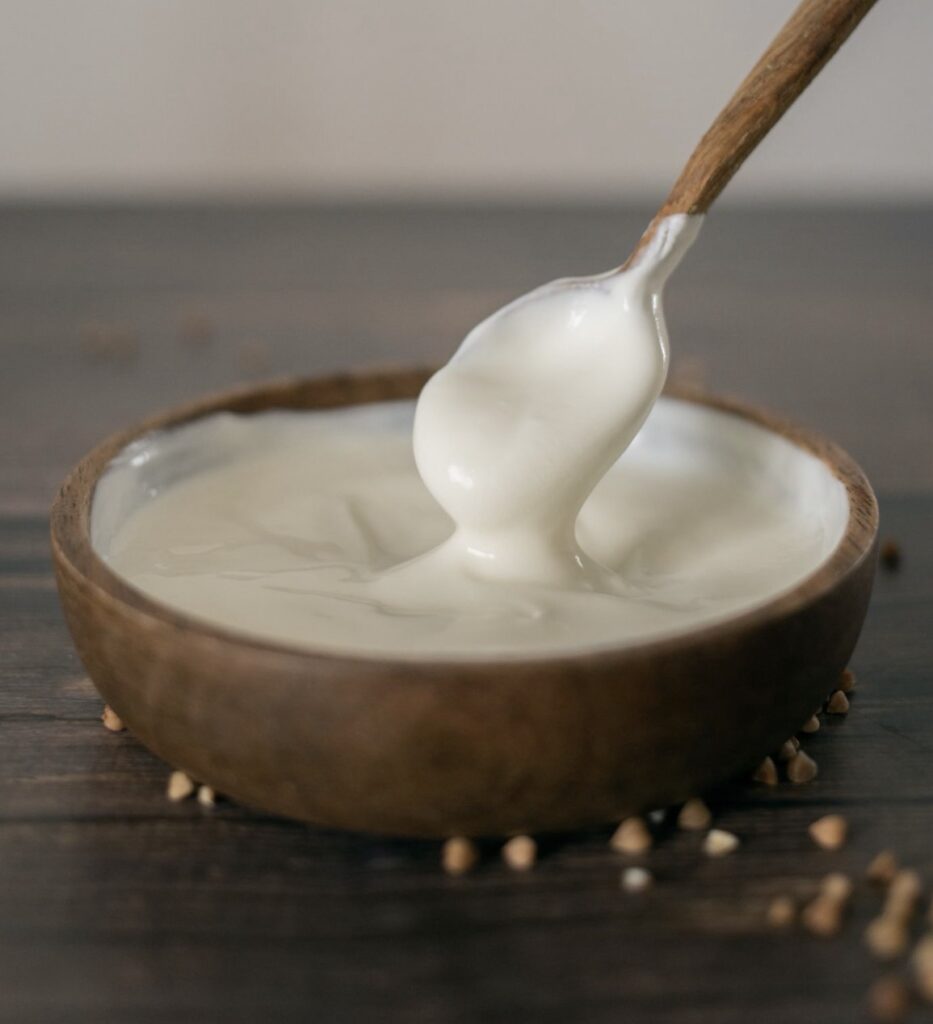
Crème fraîche is a cultured cream, thicker and tangier than sour cream, and it has one property that makes it worth keeping around: it doesn’t break or curdle when it hits a hot pan sauce the way sour cream sometimes does. Stir it in at the end of cooking and it stays smooth.
A dollop on soup, a spoonful stirred into pan drippings, or a base for a quick sauce over roasted vegetables all work. It keeps for two to three weeks in the fridge once opened, longer than most dairy products its texture would suggest.
If a recipe calls for sour cream in a hot sauce and you’re worried about it splitting, crème fraîche is the safer substitute for that exact reason.
9. Prepared Horseradish, for a Sharp Finish
Prepared horseradish is horseradish root that’s already been grated and mixed with vinegar, which means the sharp, sinus-clearing bite is ready the moment you open the jar rather than something you have to grate and prepare yourself. A small spoonful stirred into mashed potatoes, a cream sauce, or a burger topping adds a sharpness butter and salt alone can’t.
It loses potency the longer it sits open, so a jar that’s been in the fridge for six months won’t hit as hard as a fresh one. Buy a smaller jar and use it up rather than letting a large one linger.
Silver Spring’s prepared horseradish is a straightforward, reliably sharp version without unnecessary additives. Stir a spoonful into mashed potatoes right before serving for a finish that tastes like more effort went into the dish than it did.
Buy the Ones You’ll Use First
You don’t need all nine on your very first grocery trip. If vinaigrettes are a weekly habit, Dijon and good lemons pay off immediately. If pasta night is a weekly habit, real Parmesan and anchovy paste do the most obvious work for the least effort.
None of this requires a specialty grocery budget. If you’re mapping out where these fit into a realistic weekly spend, my grocery budget for a family of four breaks down where splurge-worthy basics like these belong. A little of most of these goes a long way, which is exactly why they’re worth having on hand instead of buying fresh each time a recipe calls for one.
FAQ
Is real Parmesan worth the extra cost over the shaker can?
Yes, for how much further it goes per use. A block lasts for months, adds more flavor per gram than the pre-grated version, and the rind itself is usable in soups and sauces instead of being thrown away.
Does anchovy paste make food taste fishy?
No, not when used in small amounts. It dissolves into a hot pan and deepens savory flavor in the background, the same way fish sauce works in other cuisines, without tasting like fish on its own.
Should lemons be stored in the fridge or on the counter?
In the fridge, in the crisper drawer. Lemons kept cold and unwrapped stay firm and juicy for three to four weeks, while ones left in a counter bowl start softening and losing juice within about a week.
What’s the difference between crème fraîche and sour cream?
Crème fraîche is thicker, less tangy, and higher in fat, and it doesn’t break or curdle when added to a hot sauce the way sour cream sometimes does. Sour cream works fine cold, but crème fraîche is the safer choice for anything going into a hot pan.
Do I need all nine of these at once?
No. Start with whichever matches what you already cook most, Dijon and lemons for dressings, real Parmesan and anchovy paste for pasta, and add the rest as you find a use for them.

Cynthia Odenu-Odenu is the founder of Cyanne Eats. A registered nurse with a passion for food, she brings the same attention to detail from her professional life into the kitchen. From chain restaurant rankings to grocery finds and easy recipes, Cynthia covers it all and helps everyday food lovers eat better and spend smarter.