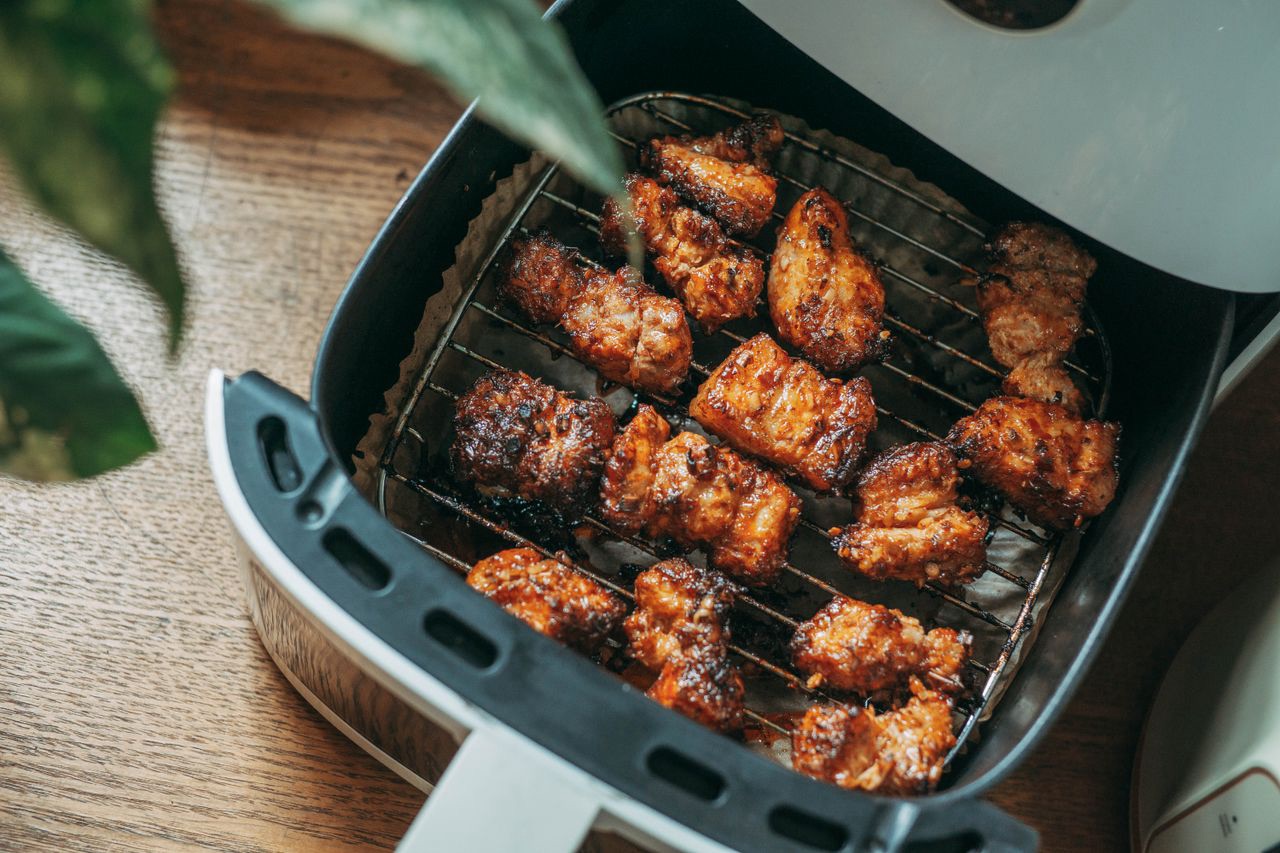
An air fryer can revive leftover pizza and fried chicken, bake a faster potato than your oven, toast nuts and granola in minutes, dehydrate citrus peel and herbs, and roast a small batch of vegetables without heating up your whole kitchen, all of which matter more in winter, when you’re already running the furnace and don’t need a hot oven on top of it.
Mine sat on the counter for over a year doing exactly one thing: fries and frozen nuggets. Then I started paying attention to what people who use theirs daily do with it, and it turns out that’s a fraction of what the appliance is built for.
None of these require a new gadget or a manual you’ve lost. They’re all things the machine you already own can already do.
Key Takeaways
- An air fryer reheats leftover pizza and fried chicken crispy again instead of soggy from the microwave or dried out from the oven
- An air fryer uses noticeably less energy than a full oven for small portions, since it’s heating a fraction of the space and preheats in a couple of minutes instead of twenty
- Overcrowding the basket is the single most common reason a hack “doesn’t work” for people
- Dehydrating citrus peel and herbs is a real, genuinely surprising use most owners never try
- None of these require buying anything beyond what most kitchens already have on hand
Table of Contents
The 9 Air Fryer Winter Hacks
Each of these solves a specific winter problem: cold leftovers, a whole oven for two servings, or dried-out reheated bread. Below is the temperature and time for each, plus why it works.
1. Revive Leftover Pizza Instead of Microwaving It
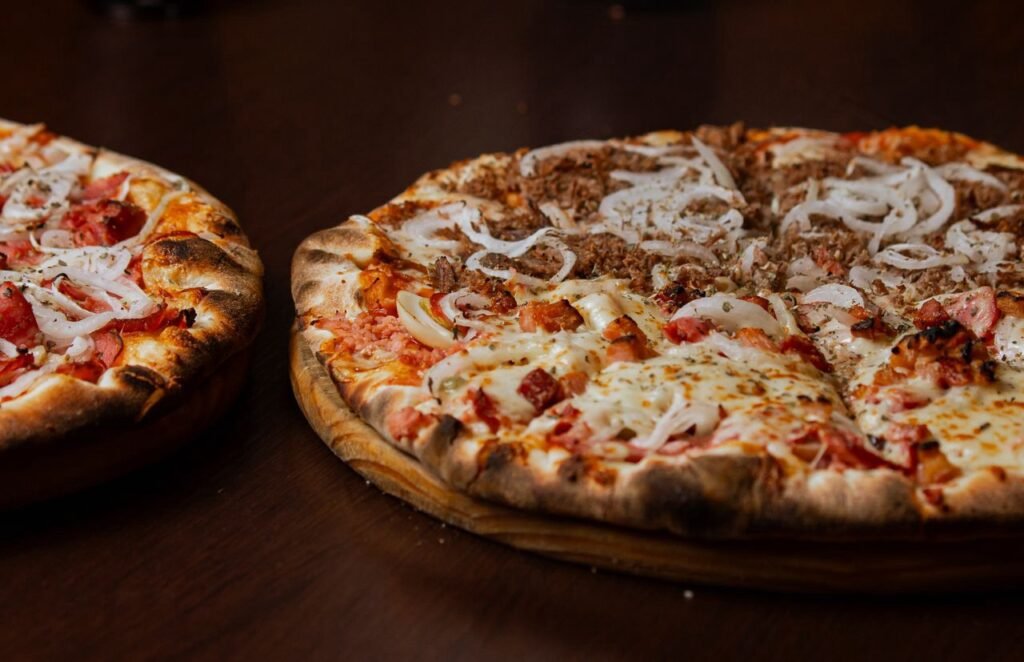
Microwaved pizza goes rubbery because the crust steams instead of crisping. An air fryer at 350°F for 3 to 5 minutes for thin crust, or 5 to 7 minutes for something deep-dish or stuffed, gets the crust back to something close to fresh.
Skip preheating for this one. Just lay the slice in the basket straight from the fridge and start the timer.
A perforated parchment liner keeps cheese drips off the basket, which matters more in winter when you’re reheating holiday leftovers more often than usual.
2. Bring Fried or Rotisserie Chicken Back to Life
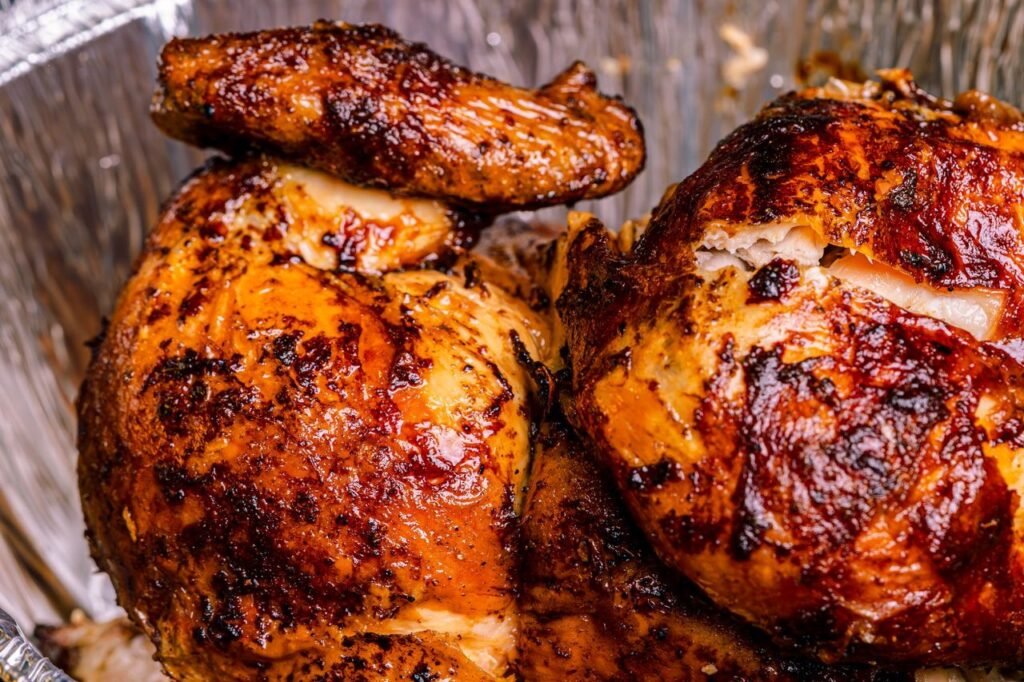
Fried chicken and rotisserie chicken both lose their crackly skin in the fridge, and a microwave just makes that worse. 350 to 400°F for 3 to 5 minutes brings the skin back to crisp while the inside reheats through.
Check that the inside is hot too, not just the crisped skin. 165°F internal is the safe number for reheated poultry, and a cheap instant-read thermometer takes the guessing out of it.
This is the hack most people discover by accident and then wonder why they didn’t know sooner. Leftover holiday turkey works the same way.
3. Warm Rolls and Biscuits Without Drying Them Out
Bread dries out fast in an air fryer if you’re not careful, since there’s a real ceiling here. Stay at 300 to 325°F for 1 to 5 minutes, and don’t push past roughly 320°F or the outside turns hard before the inside is even warm.
This is the fix for a basket of dinner rolls or biscuits sitting out after a holiday meal. A quick pass at a gentle temperature brings back the soft give a full reheat would have taken away.
4. Bake a Single Potato Faster Than Your Oven Will
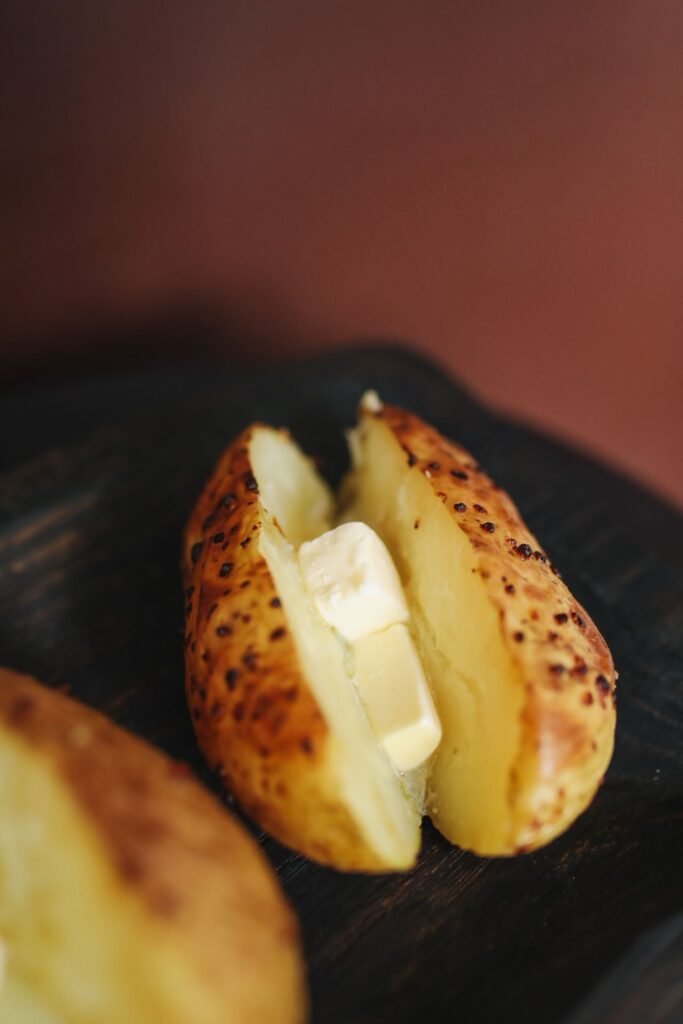
A whole oven takes 60 to 90 minutes to bake one potato, mostly because you’re heating a huge empty box to get there. An air fryer at 400°F gets the same potato done in about 30 to 40 minutes, skin crisp, inside fluffy.
This is the single clearest “why heat the whole kitchen for one potato” case on this entire list. If you want to dress it up once it’s done, my roasted sweet potato with melty cheese recipe works from either the oven or an air fryer base.
5. Roast a Small Batch of Vegetables Instead of Heating the Whole Oven
Roasting a full sheet pan of vegetables for two people wastes most of the oven’s heat on empty space. An air fryer at 400°F for 8 to 20 minutes, depending on the vegetable, gets the same char and softness in a fraction of the footprint.
I tested this side by side against my oven with the same tray of vegetables, and the smaller, hotter airflow chamber browned everything faster with a lot less babysitting. My crispy garlic Parmesan potatoes started as an oven recipe before I moved most of a small batch over to the air fryer instead.
6. Toast Nuts and Make Small-Batch Granola
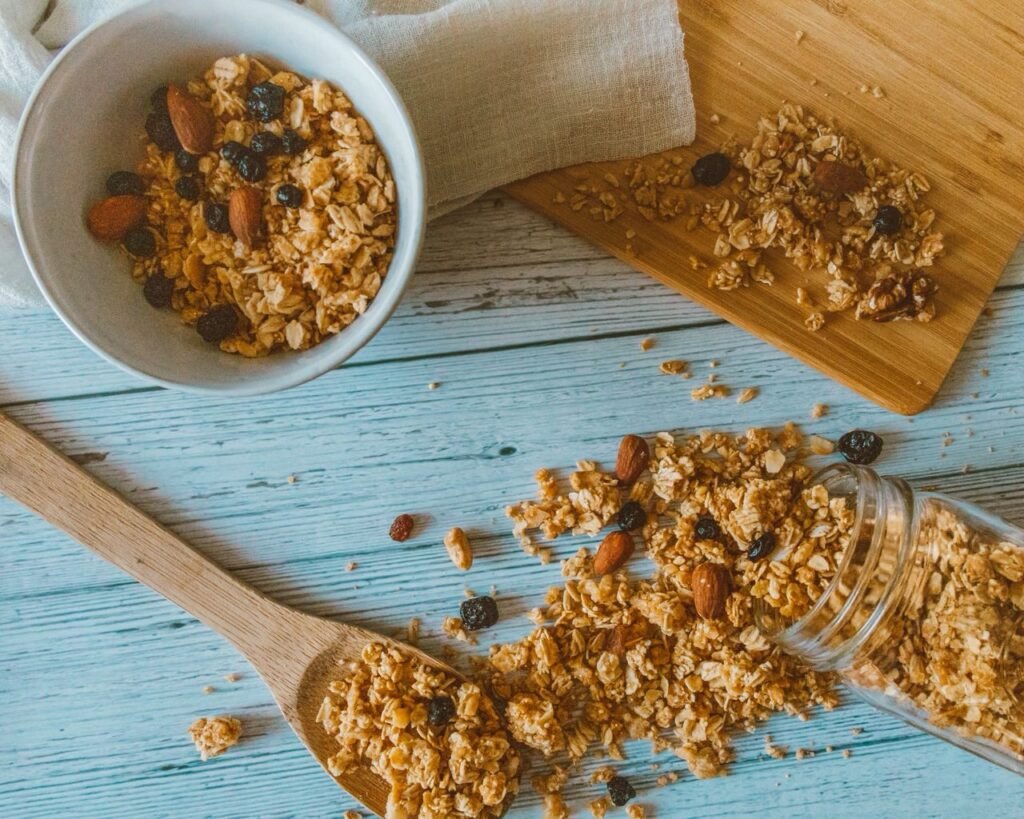
Toasting a handful of nuts in a full oven means preheating a huge appliance for two minutes of actual cooking. I toast mine in half the time in the air fryer instead: spread them in a small round pan set inside the basket, since loose nuts blow around in the airflow if you skip the pan, then run it at 350°F for 1 to 3 minutes, shaking the pan once or twice, until fragrant.
Small-batch granola works the same way, 300 to 325°F for 9 to 15 minutes, stirred once or twice so the edges don’t burn before the middle toasts. This is the one I use most in winter, since a fresh half-batch of granola over yogurt takes less effort than turning on the oven for anything else that morning.
7. Roast Chickpeas for a Crunchy Snack
Canned chickpeas, drained, patted completely dry, and tossed with oil and salt, turn genuinely crunchy at 375 to 400°F for 10 to 15 minutes, shaken once partway through. Dry is the operative word here, since any leftover moisture steams instead of crisping.
This is a good one to have going while you’re doing something else, since it doesn’t need constant attention past that one shake. It’s also a lot cheaper than a bag of the shelf-stable roasted chickpea snacks stores sell at three times the price for less quantity.
8. Cook Bacon Without the Stovetop Grease Mess
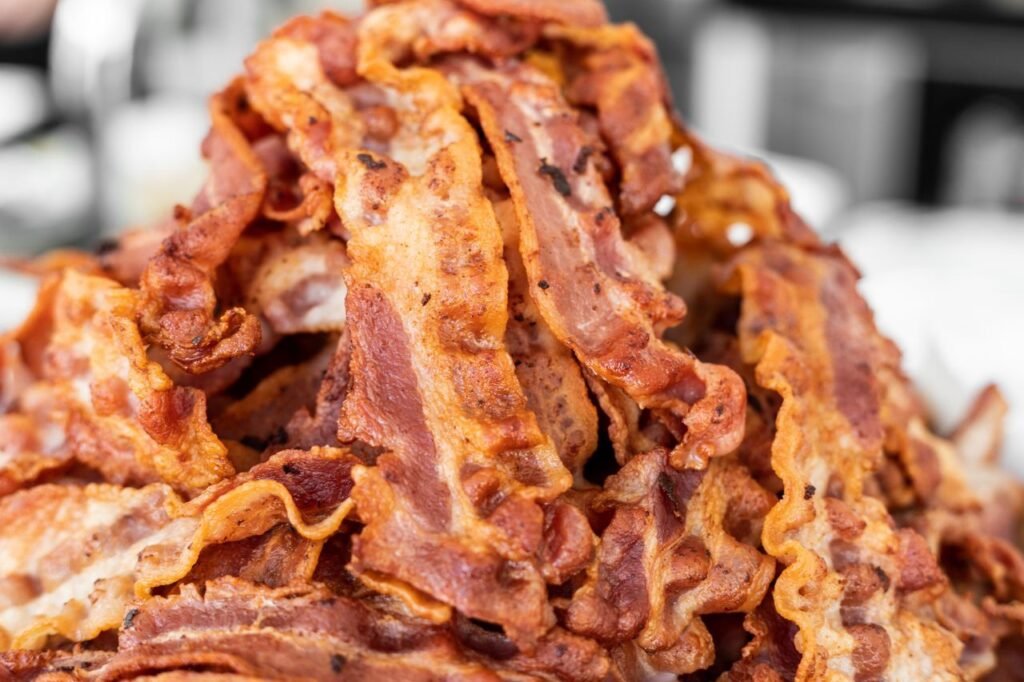
Stovetop bacon means grease splatter on the wall behind your stove and a pan to scrub after. An air fryer at 350 to 400°F for 6 to 14 minutes, depending on thickness and how crisp you like it, contains all of that grease in the drawer below the basket instead.
A perforated liner underneath makes cleanup close to zero effort. This is the hack that converts the most stovetop-bacon skeptics, in my experience.
9. Dehydrate Citrus Peel and Herbs Before They Go Bad
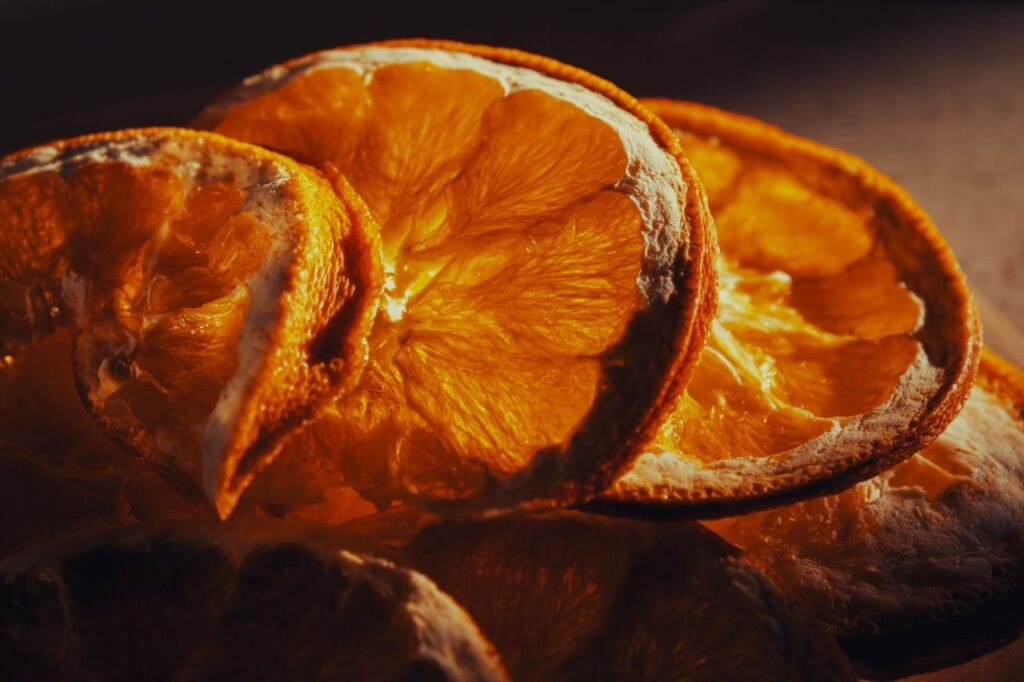
This is the one that makes an air fryer feel like a genuinely different appliance. Herbs dehydrate at roughly 105 to 135°F for 3 to 4 hours depending on your model’s exact range, and citrus peel runs anywhere from 120 to 180°F for 1 to 3 hours, so check it every 30 minutes rather than trusting one fixed number.
Winter citrus is at its best right now, and dried peel keeps for months in a jar for tea, baking, or infusing sugar. A stackable dehydrating rack lets you dry several layers of peel or herbs at once instead of doing one thin layer at a time.
The Mistake That Ruins Most of These
Overcrowding the basket is the single most common reason any of these hacks “doesn’t work” for someone. An air fryer cooks by circulating hot air around the food, and a packed basket blocks that circulation, which is exactly why holiday batch-cooking is when most people report soggy, unevenly cooked results.
Cook in two smaller batches rather than one crowded one. It takes a few extra minutes, but it’s the difference between everything coming out crisp and half of it steaming instead.
Why This Matters More in Winter
Mine isn’t really a fryer at all, if I’m honest. It’s a compact convection oven that cooks fast and browns well without heating up my whole kitchen in the process. That gets pitched as a summer perk most of the time, since nobody wants extra heat in July.
Flip that around for winter and the logic still holds, just from the other direction. My furnace is already heating the house, so there’s no reason to also run a full-size oven for twenty minutes just to warm four dinner rolls or bake one potato.
It’s cheaper to run for small jobs too. A full oven pulls a lot more power to heat that much empty space, and mine gets to temperature in a couple of minutes instead of the twenty-plus my oven needs. That gap closes up once I’m cooking in real bulk, like a full holiday roast, where the oven earns its keep back.
FAQ
Can I really bake a potato faster in an air fryer than in the oven?
Yes. A whole oven typically takes 60 to 90 minutes for one baked potato, while an air fryer at 400°F gets there in about 30 to 40 minutes, since it’s heating a much smaller space.
Why did my reheated food come out soggy instead of crispy?
Almost always overcrowding. A packed basket blocks the hot air circulation that makes an air fryer work, so food steams instead of crisping, especially with batch-reheated holiday leftovers.
What temperature should I dehydrate herbs or citrus peel at?
Herbs generally dehydrate at 105 to 135°F for 3 to 4 hours, and citrus peel runs a wider range of 120 to 180°F for 1 to 3 hours. Check every 30 minutes rather than trusting one exact number, since this varies more by model than most other hacks on this list.
Is an air fryer cheaper to run than an oven in winter?
For small portions, yes. An air fryer uses less than half the energy of an oven for small-batch cooking, though that advantage shrinks for large batches like a full holiday meal.
Do I need any special accessories to do any of this?
No. A parchment liner and a meat thermometer make a couple of these easier, but every hack on this list works with just the basket that came with your air fryer.

Cynthia Odenu-Odenu is the founder of Cyanne Eats. A registered nurse with a passion for food, she brings the same attention to detail from her professional life into the kitchen. From chain restaurant rankings to grocery finds and easy recipes, Cynthia covers it all and helps everyday food lovers eat better and spend smarter.