
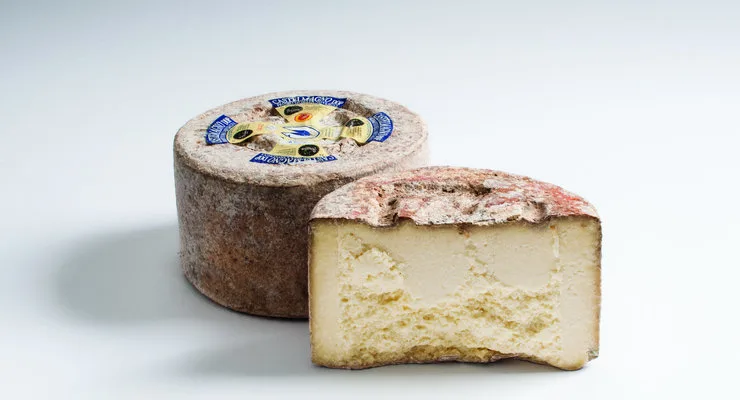
The best Castelmagno cheese substitute is Gorgonzola Dolce, which replicates the creamy, mildly tangy character and melts beautifully into pasta sauces and risotto.
Castelmagno is one of those cheeses that sounds like it should be easy to find and then absolutely isn’t. It comes from a tiny pocket of Piedmont in northern Italy, and fewer than 200 wheels make it to the U.S. every year. So if your recipe calls for it and your grocery store has never heard of it, that is a completely normal situation.
I dug into what Italian cooks and specialty cheesemongers actually recommend when Castelmagno isn’t available. A lot of substitute lists online recycle the same five cheeses without checking whether they actually hold up. I cut through that and only included what genuinely works.
Key Takeaways
- Gorgonzola Dolce is the best overall swap, especially for pasta sauces and risotto
- Aged Asiago (Stagionato) is the best non-blue option for grating and cooking
- Parmigiano-Reggiano works specifically for risotto and polenta finishes
- Fontina is the go-to for melted dishes and fonduta
- Stilton is the closest match when you need the blue-veined character on a cheese board
- Sharp Cheddar only works in baked casseroles, not for boards or Italian dishes
Table of Contents
What is Castelmagno Cheese?
Castelmagno is a semi-hard Italian cheese from the Valle Grana in Cuneo, Piedmont. It’s made mostly from raw cow’s milk, sometimes blended with a small amount of goat or sheep’s milk, then aged anywhere from two months to over a year in mountain caves.
The flavor changes a lot with age. A younger wheel tastes mild and milky with a light tang. An older one gets piquant, earthy, and grassy with a persistent finish. Some wheels develop faint blue-green veining from natural mold exposure, though many don’t show any veining at all.
It’s the cheese behind the classic Piedmontese dish gnocchi al Castelmagno, where it gets melted into cream and butter and finished with toasted hazelnuts. It also shows up in risotto, fonduta, and on cheese boards drizzled with chestnut or acacia honey.
Production is extremely limited. Only around 250 tons are made worldwide per year, and less than 200 wheels reach the United States. If you can’t find it, you’re genuinely not missing something that’s easy to track down.
The Best Castelmagno Cheese Substitutes
1. Gorgonzola Dolce
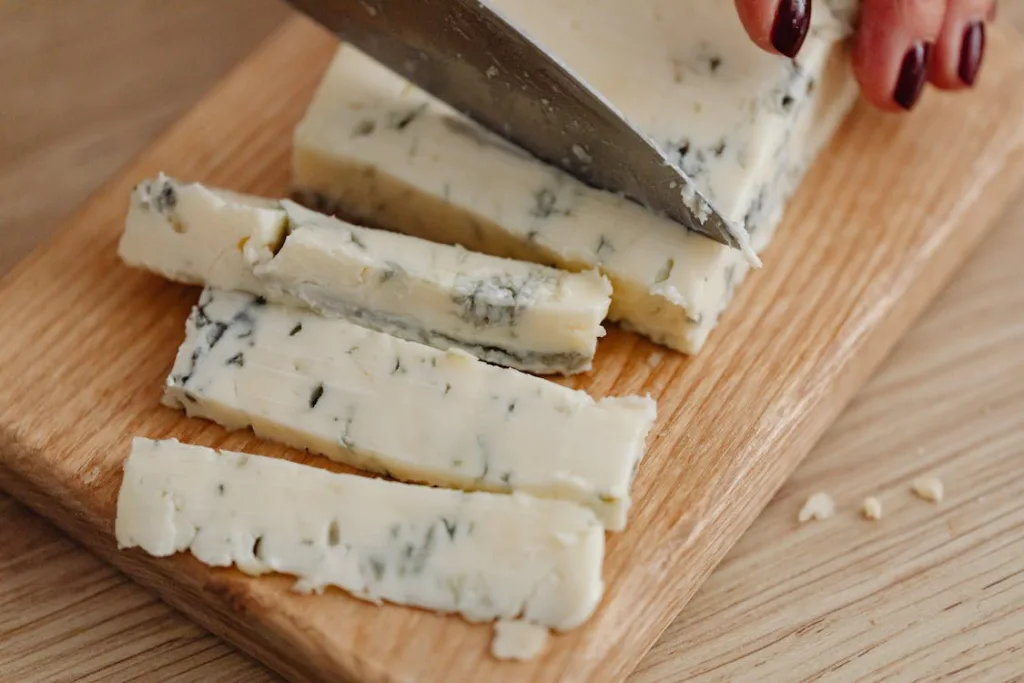
Gorgonzola Dolce is my top pick for most Castelmagno recipes. It’s a young Italian blue cheese from Lombardy, made from cow’s milk and aged only two to three months. The paste is soft and nearly spreadable with a creamy texture and a mild, tangy flavor.
What makes it work is how it behaves when you melt it. It goes silky and rich, which is exactly what you need for gnocchi al Castelmagno or a Piedmontese-style risotto. Italy-based recipe author Jacqueline De Bono specifically calls out Gorgonzola as the first recommended swap when you can’t get Castelmagno for gnocchi dishes.
On a cheese board, Gorgonzola Dolce with a drizzle of honey is genuinely delicious. It hits the same notes of mild richness and soft blue character without needing the real thing.
Best for: Pasta sauces, risotto, cheese boards with honey and fruit
You can order Gorgonzola Dolce DOP on Amazon if your grocery store doesn’t carry it. It ships from a specialty Italian importer and goes a long way in the kitchen.
2. Asiago Stagionato (Aged Asiago)
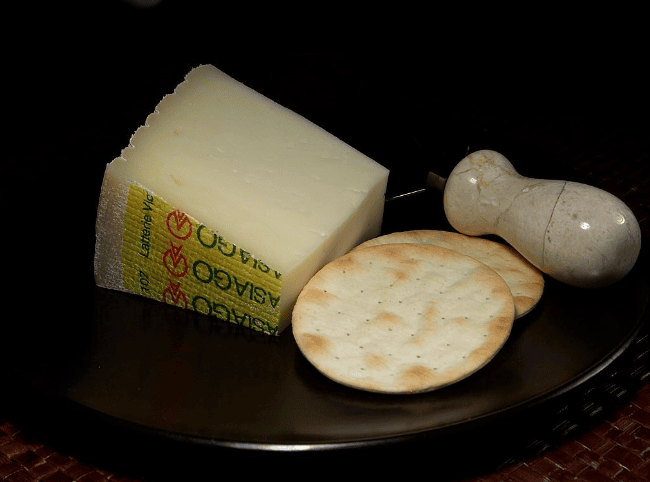
Aged Asiago, called Asiago Stagionato or Asiago d’Allevo, is one of the best non-blue substitutes for Castelmagno. It’s a DOP cheese from the alpine plateau of Veneto and Trentino in northern Italy, made from raw cow’s milk and aged at least 10 months. The texture is firm and slightly crumbly with a nutty, mildly sharp flavor.
This is what Piedmont-based cooks recommend when someone wants a Castelmagno swap that doesn’t involve any blue character. It grates cleanly over pasta and risotto and holds up well on a board paired with cured meats and marmalade.
The key is getting the aged version, Stagionato, not Asiago Pressato. Fresh Asiago is soft and mild and won’t give you anything close to the right result.
Best for: Grating over pasta, risotto, polenta, cheese boards
Asiago Stagionato DOP, 1 lb is available on Amazon and is cut and wrapped by hand from unpasteurized cow’s milk. It’s aged a minimum of 10 months, which is what you want for this application.
3. Parmigiano-Reggiano (Aged 24+ Months)
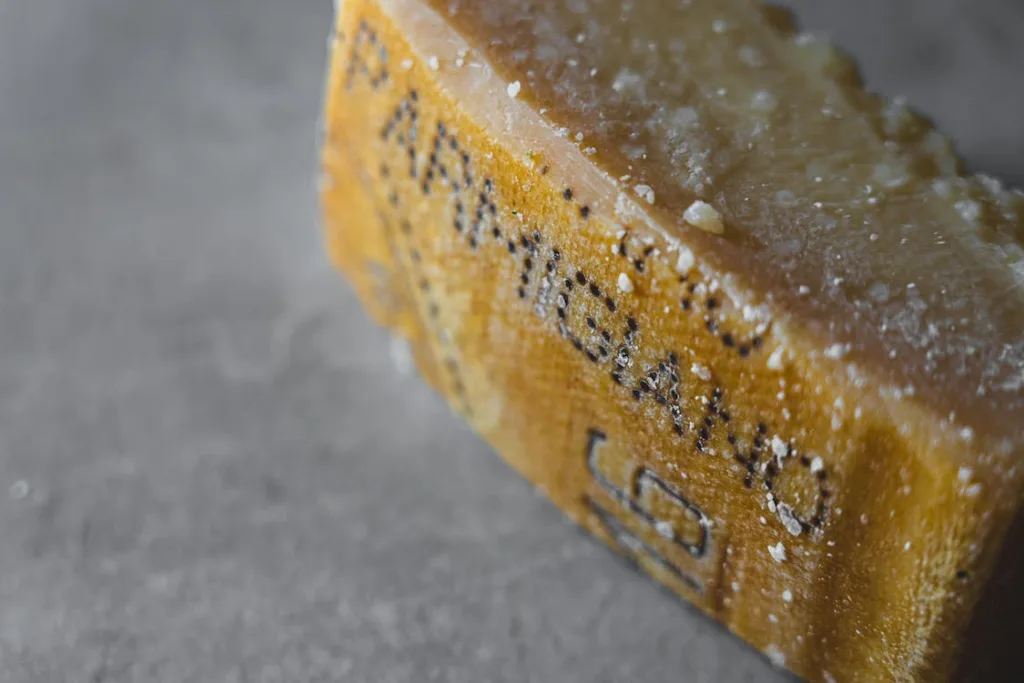
Parmigiano-Reggiano works as a Castelmagno substitute specifically in risotto and polenta dishes. It doesn’t melt the same way and has no blue character, but the rich, nutty, complex flavor plays a similar role when you need depth and Italian authenticity in a cooked dish.
Go for a wheel aged at least 24 months. The longer aging time opens up the flavor and gets closer to the intense, persistent quality that Castelmagno brings to a finished dish.
This is not the right swap when Castelmagno’s crumbly texture or mild blue notes matter, like on a board. But for a pumpkin risotto or polenta where you need the cheese to pull everything together, Parmigiano-Reggiano does the job.
Best for: Risotto, polenta, grated pasta finish
Parmigiano-Reggiano DOP 24 months, 2.2 lb is the genuine DOP version imported from Italy, made without additives or preservatives and naturally lactose-free.
4. Fontina
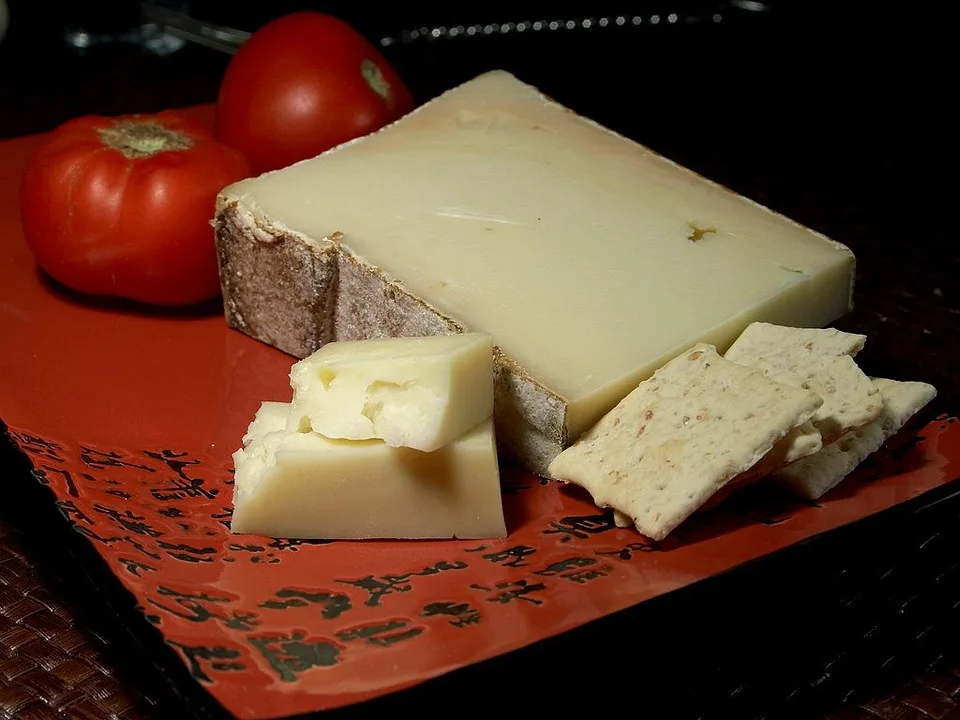
Fontina is a washed-rind semi-hard cheese from Valle d’Aosta in northwestern Italy, the same Alpine mountain region that shares a dairy tradition with Piedmont. It’s made from raw cow’s milk with a mild, nutty, slightly earthy flavor and a buttery finish.
Where Fontina earns its place as a Castelmagno substitute is in melted applications. Fonduta, the Piedmontese take on fondue, is traditionally made with Fontina. For any dish where Castelmagno would melt into a creamy base, like a cauliflower gratin or a rich cheese sauce, Fontina is one of the most natural swaps because of the shared Alpine Italian origin.
It doesn’t have blue character, so skip it for cheese boards where that funkiness matters. But for cooking, it’s hard to beat.
Best for: Fonduta, melted cheese sauces, baked dishes, gratin
5. Stilton
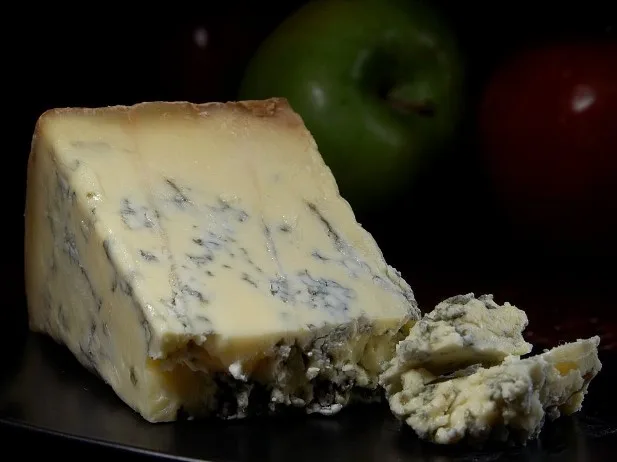
Stilton is a firm, crumbly English blue cheese with a dense paste and a strong, earthy flavor. In terms of texture, it’s actually closer to aged Castelmagno than Gorgonzola is. The blue veins are more prominent, and the overall character is more intense and persistent.
If you’re building a cheese board and need the crumbly texture and blue-veined look that Castelmagno brings, Stilton is the better textural match. It pairs naturally with honey, pears, and walnuts, which are the same classic accompaniments for Castelmagno.
It’s a stronger cheese, so use a little less than the recipe calls for. If you’re curious about Stilton’s flavor range and what works when Stilton itself is hard to source, the Stilton cheese substitutes guide covers it in detail.
Best for: Cheese boards, salads, fruit and honey pairings
6. Sharp Cheddar
Sharp Cheddar is the most accessible option on this list, but I want to be clear about where it actually works and where it doesn’t. It’s not an Italian cheese, it has no alpine or blue character, and it shouldn’t replace Castelmagno on a cheese board.
Where it does work is in baked casseroles and hearty cheese sauces where you need a bold, tangy melt. If you’re making a cauliflower gratin or a baked pasta dish and Castelmagno is listed as an ingredient, sharp Cheddar can step in without ruining the dish.
Use aged sharp Cheddar for the best result. Mild or medium Cheddar won’t bring enough flavor to do the job.
Best for: Baked casseroles and hearty cheese sauces only
What Doesn’t Work as a Castelmagno Substitute
Two suggestions show up on a lot of lists that aren’t worth your time: Pecorino Romano and Roquefort.
Pecorino Romano is a hard, intensely salty sheep’s-milk grating cheese from Lazio. Its whole job is to add sharp, salty punch to Roman pasta dishes like cacio e pepe. Castelmagno is a mild, crumbly cow’s-milk alpine cheese. They share almost nothing in terms of flavor, texture, or origin. You can find more on that family of cheeses in my Locatelli cheese substitute guide.
Roquefort is a creamy, powerfully pungent French sheep’s-milk blue aged in limestone caves. That intensity would completely take over any dish where Castelmagno was meant to be a background note. No Italian cook or cheesemonger actually recommends it as a Castelmagno swap.
How to Store Castelmagno and Its Substitutes
Plastic wrap is the enemy of specialty cheese. It traps ammonia, kills the flavor, and dries out the paste fast.
The right move is breathable cheese paper as soon as you open the wedge. Formaticum cheese storage bags are what professional cheesemongers actually use. The porous French-made material lets the cheese breathe while holding in just enough moisture to keep it fresh far longer than any plastic wrap or ziplock bag.
Store the wrapped cheese in the coldest part of your fridge, like the bottom shelf or cheese drawer. Take it out 30 minutes before serving so it comes to room temperature and the full flavor develops.
Building a Piedmontese Cheese Board
If you want to put together a board inspired by Castelmagno’s home region, the traditional Piedmontese pairings are simple and work beautifully.
Start with Gorgonzola Piccante or Stilton as the blue-veined anchor. Add a wedge of aged Asiago for the firm, nutty contrast. Put out chestnut or acacia honey for drizzling, a handful of walnuts, some thin-sliced cured meat like salami or prosciutto, and a firm pear sliced on the side. That’s a legitimate Piedmontese board without tracking down a rare imported cheese.
For wine, reach for Nebbiolo, Barbera, or Dolcetto. The acidity in these grapes cuts through the richness of the cheese.
A proper board setup makes everything easier. The ChefSofi charcuterie board set comes with four stainless steel knives and four ceramic bowls, which covers every cheese type from spreadable Gorgonzola Dolce to firm crumbly Asiago without hunting for the right knife.
If you’re exploring northern Italian cheeses more broadly, the Robiola cheese substitute guide and Montasio cheese substitute guide cover two other Piedmont and Alpine-region cheeses worth knowing. If you want to go deeper into mountain-style Alpine cheeses, the Appenzeller cheese substitutes guide is worth a read too.
Where to Buy Castelmagno Cheese in the U.S.
If you want to try actual Castelmagno, specialty retailers are your best bet. Murray’s Cheese, Formaggio Kitchen, and Eataly are the most reliable sources when it’s in season. It’s expensive and the supply is genuinely limited, but there’s nothing like the real thing if you’re curious.
Online availability is intermittent because of how little is produced. If you’re planning a special dinner, check stock a week or two ahead.
Time to Pick the Right Swap
The right Castelmagno substitute comes down to what you’re actually making. For pasta and risotto, go with Gorgonzola Dolce. For grating and non-blue dishes, aged Asiago is the better call. For a cheese board where you need that crumbly blue-veined drama, Stilton steps in well.
You don’t need to track down a rare imported cheese to make a great Piedmontese-inspired meal. These substitutes are backed by real cooks and cheesemongers who’ve actually made the swap.
FAQs
What is the closest substitute for Castelmagno cheese?
Gorgonzola Dolce is the closest widely available substitute, especially for pasta sauces and risotto. For a non-blue option, aged Asiago Stagionato is the best match.
Can I use Parmesan instead of Castelmagno cheese?
Aged Parmigiano-Reggiano works as a substitute in risotto and polenta, but it won’t replicate the crumbly texture or mild blue character that Castelmagno brings to a cheese board.
Is Castelmagno a blue cheese?
It’s classified as a blue-veined cheese in Italy, but many wheels don’t develop visible veining. The flavor is milder and less pungent than most blue cheeses like Gorgonzola Piccante or Stilton.
Where can I buy Castelmagno cheese in the US?
Murray’s Cheese, Formaggio Kitchen, and Eataly are the most reliable sources. It’s rarely found at standard grocery stores because production is so limited.
Can I substitute Gorgonzola for Castelmagno in gnocchi?
Yes, and it’s actually the most commonly recommended swap. Gorgonzola Dolce melted into cream with a little butter is the closest result for gnocchi al Castelmagno.

Cynthia Odenu-Odenu is the founder of Cyanne Eats. A registered nurse with a passion for food, she brings the same attention to detail from her professional life into the kitchen. From chain restaurant rankings to grocery finds and easy recipes, Cynthia covers it all and helps everyday food lovers eat better and spend smarter.