
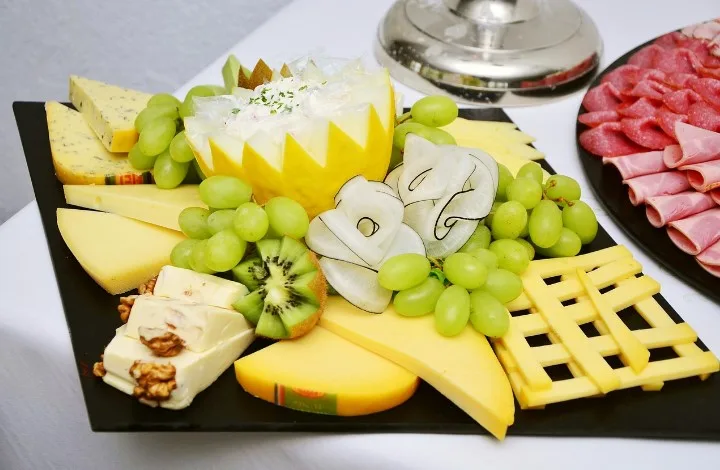
The best Kefalotyri cheese substitutes is Pecorino Romano, which shares the same sharp, salty, sheep’s milk character and works as a 1:1 swap for grating, baking, and most Greek recipes.
I ran into this problem the first time I tried to make saganaki at home. Kefalotyri was nowhere to be found at any of my regular stores, and the internet gave me a list of substitutes that did not mention what actually mattered: which cheese works for frying and which is only good for grating.
That distinction is everything with Kefalotyri. It is a hard Greek cheese that gets used in very different ways depending on the dish.
The right substitute for saganaki is not the same as the right substitute for moussaka. Once you understand that, everything gets clearer.
Key Takeaways
- Pecorino Romano is the overall best substitute and works in nearly every Greek recipe
- Kefalograviera is the single closest match to Kefalotyri in flavor and is the top pick for saganaki
- Graviera is the best substitute specifically for frying and grilling
- Kasseri melts smoothly and works well in baked dishes and pastitsio
- Halloumi is ideal when you need a cheese that holds its shape at high heat
- Parmesan and Parmigiano-Reggiano are the easiest pantry swaps for grating and baked casseroles
- Romano is a sharper, drier option that blends well with Parmesan for a closer flavor match
Table of Contents
What Is Kefalotyri Cheese?
Kefalotyri is a hard, salty Greek cheese made from sheep’s milk, goat’s milk, or a blend of both. It dates to the Byzantine era and is one of the oldest and most important cheeses in Greek cuisine. The name comes from the Greek words for “head” (kefali) and “cheese” (tyri), a reference to its large wheel form.
The flavor is sharp, tangy, and intensely salty with a slightly nutty finish. Salt content can reach 4-5%, which is among the highest of any Greek cheese. It is aged for at least three months and becomes more crumbly and pungent as it ages further.
Kefalotyri is used in saganaki (pan-fried cheese), grated over pasta and salads, baked into moussaka and pastitsio, and added to spanakopita fillings. It is considered one of the best hard Greek cheeses for cooking because it holds up to heat while adding bold flavor. It is genuinely hard to find in most US grocery stores, but Greek markets, Whole Foods, and online retailers carry it.
Kefalotyri vs Kefalograviera: Are They the Same?
They are not the same, though they are close relatives. Kefalograviera blends the sharpness of Kefalotyri with the milder, nuttier character of Graviera. It holds EU PDO status and is produced in Western Macedonia and Epirus.
Kefalograviera is actually the more widely produced of the two, with around 3,000 tons made annually in Greece. It is sometimes sold outside Greece under the Kefalotyri name, which causes some confusion.
For substitution purposes, Kefalograviera and Kefalotyri are close enough to use interchangeably in almost every recipe.
9 Best Kefalotyri Cheese Substitutes
1. Pecorino Romano
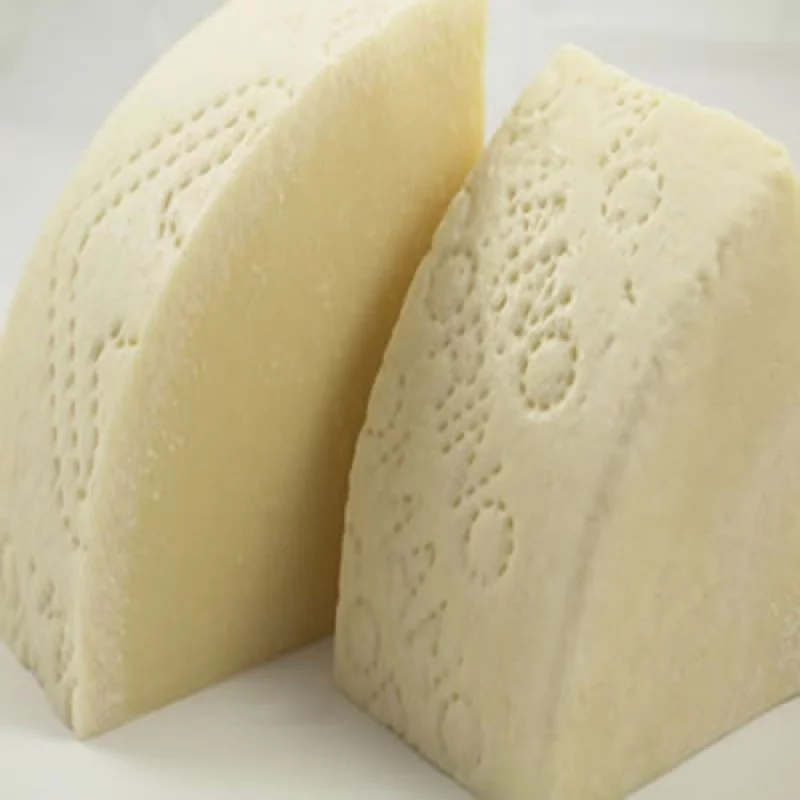
Pecorino Romano is the most recommended Kefalotyri substitute across Greek home cooks and recipe developers. Both are hard, salty sheep’s milk cheeses with a sharp, tangy flavor that grates beautifully and holds up in baked dishes.
The saltiness and texture are so similar that multiple Greek recipe developers have used it in pastitsio and moussaka without anyone noticing the difference. It works at a 1:1 ratio in virtually every recipe that calls for Kefalotyri.
Locatelli Pecorino Romano is the most trusted brand in the US for this cheese. It is made from 100% sheep’s milk, aged 9+ months, and is one of the best-selling hard Italian cheeses on Amazon.
Best for: Grating over pasta, spanakopita, pastitsio, moussaka, any recipe that calls for Kefalotyri
2. Kefalograviera
Kefalograviera is the single closest match to Kefalotyri you can find. It is a hard Greek cheese from the same family, with the same sheep’s milk base, similar salt level, and a bold, slightly nutty flavor that works in every context Kefalotyri does.
It is especially good for saganaki because it holds its shape under high heat while developing a golden, crispy crust. Per food writer Susanna Hoffman, “At its best, it is as good as or better than Romano or aged Asiago.”
igourmet Kefalograviera DOP 7.5oz is the authentic PDO version available on Amazon. If you want to try actual Kefalotyri, igourmet Greek Kefalotyri Cheese 7.5oz is also available and ships fresh.
Best for: Saganaki, grating, moussaka, pastitsio, meze boards
3. Graviera
Graviera is Greece’s most popular hard cheese and one of the top picks for saganaki. It has a nutty, slightly sweet flavor that is milder than Kefalotyri but fries up beautifully, developing a golden crust without losing its shape.
It gets spicier and more complex as it ages, bringing it closer to Kefalotyri’s bold character. Cretan Graviera is the most widely available variety in the US and is sold at Greek markets and specialty food stores.
Use it in a 1:1 swap. If it is less salty than the recipe needs, season the dish slightly after cooking.
Best for: Saganaki, grilling, meze boards, grating over pasta
4. Kasseri
Kasseri is a semi-hard Greek pasta filata cheese made from sheep’s milk with a mild, buttery flavor and a slight sweetness. It melts far more smoothly than Kefalotyri, which makes it a natural choice for baked dishes where you want the cheese to go soft and creamy.
It works well in moussaka, pastitsio, cheese pies, and baked pasta. It is also one of the most commonly available Greek cheeses in US grocery stores.
The flavor is milder than Kefalotyri, so it works best when other bold ingredients are already in the dish.
Best for: Moussaka, pastitsio, cheese pies, baked dishes
5. Halloumi
Halloumi is a Cypriot semi-hard cheese with one of the highest melting points of any cheese in the world. It does not melt when fried or grilled, which makes it the most practical substitute for saganaki when Kefalotyri is unavailable.
The texture when cooked is slightly squeaky and firm rather than oozy, and the flavor is salty and mild. It is not a flavor match for Kefalotyri, but for the specific job of pan-frying cheese until golden, nothing beats it for ease.
Grillies Halloumi 8.8oz is a Cypriot-made halloumi that retains its shape in the grill, oven, or fryer. It is one of the best-reviewed options on Amazon for this purpose.
Best for: Saganaki, grilling, frying, any high-heat application
6. Parmesan
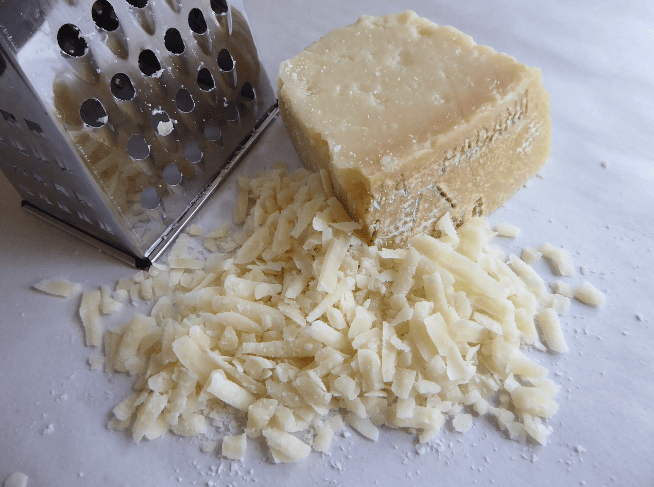
Parmesan is the most accessible Kefalotyri substitute you will find. It is in every grocery store, grates cleanly, and melts well in baked dishes. The flavor is nuttier and less salty than Kefalotyri, but the hard texture and granular consistency make it a reasonable stand-in when nothing else is available.
For pastitsio specifically, Parmesan is one of the four options listed by RecipeTin Eats (Nagi Maehashi), who puts it after Kefalograviera and Pecorino Romano but ahead of Romano alone. Use it at a 1:1 ratio and add a small pinch of extra salt to compensate for the lower salinity.
Best for: Moussaka, pastitsio, grating over pasta and salads, spanakopita filling
7. Parmigiano-Reggiano
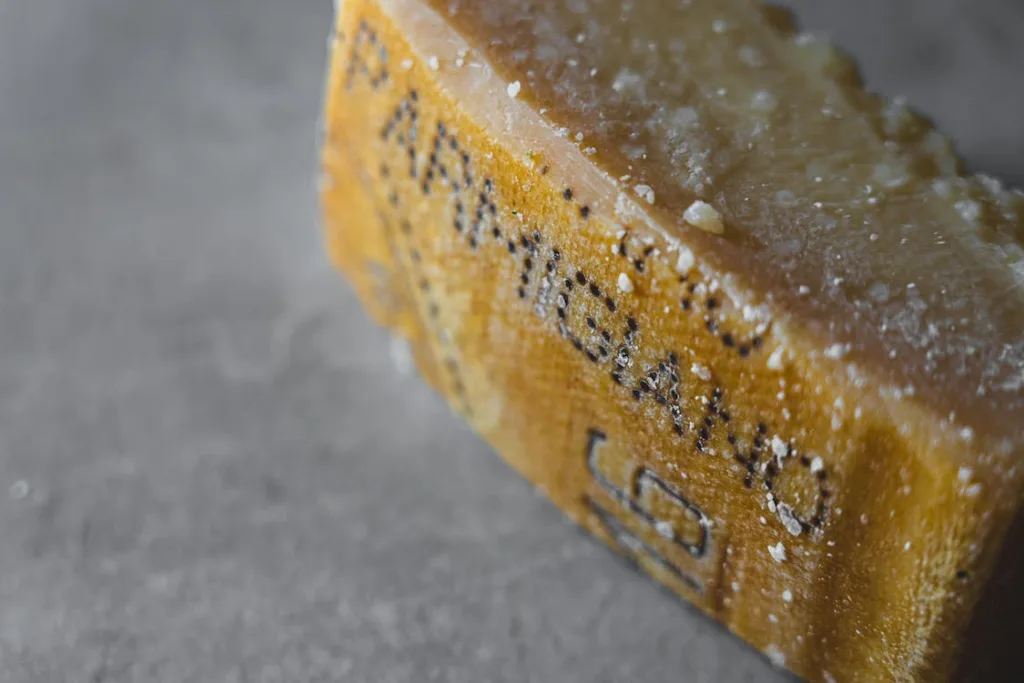
Parmigiano-Reggiano is the premium version of the Parmesan family and gets you closer to Kefalotyri’s complex, layered flavor than standard Parmesan. A 24-month aged wheel has a grainy texture, small white crystals, and a deep nutty-salty flavor that plays well in Greek recipes.
It does not fry or grill well since it burns quickly, so avoid it for saganaki. For everything else where grating or melting into a béchamel is the goal, it is an excellent choice.
Parmigiano-Reggiano DOP 24 months, 2.2 lb is the genuine DOP-certified version imported from Italy, made without additives and naturally lactose-free.
Best for: Pastitsio béchamel, moussaka topping, grating, pasta
8. Romano
Romano is a sharp, dry, salty Italian cheese that substitutes for Kefalotyri most effectively when blended with Parmesan. A 2:1 Romano-to-Parmesan mix gives you the saltiness and sharpness from the Romano with the nutty body from the Parmesan, which together come close to Kefalotyri’s grating profile.
On its own, Romano is sharper and more pungent than Kefalotyri, which some people find overpowering in mild dishes. Blended, it balances out and works well in almost every Greek recipe that calls for grating.
Best for: Grating, blended with Parmesan for a closer Kefalotyri match
9. Nutritional Yeast
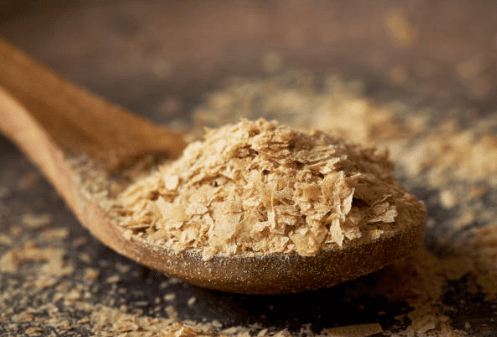
Nutritional yeast is the dairy-free option when you need a sharp, savory, cheesy flavor without any actual cheese. It does not replicate Kefalotyri’s texture or melt properties, but sprinkled over baked dishes or folded into a vegan béchamel it delivers a useful umami depth.
Use about half the amount the recipe calls for and adjust up to taste. Avoid it for saganaki or any dish where the cheese is the structural centerpiece.
Bragg Premium Nutritional Yeast is the #1 best seller in its category on Amazon, vegan, gluten-free, and packed with B vitamins. The 12 oz shaker makes it easy to use as a finishing sprinkle.
Best for: Vegan baked dishes, pasta topping, dairy-free spanakopita filling
Which Substitute Should You Use?
The right pick depends entirely on the dish. For saganaki and frying, reach for Kefalograviera, Graviera, or Halloumi.
For moussaka and pastitsio, Kasseri and Pecorino Romano are the strongest options. For grating over pasta or finishing a dish, Pecorino Romano is the consistent winner.
If you want to explore the full Greek cheese family and see how these cheeses relate to each other, the Locatelli cheese substitute guide covers Pecorino Romano’s closest relatives in depth.
Where to Buy Kefalotyri Cheese in the US
Greek specialty markets are the most reliable source. Astoria, Queens in New York, Greektown in Chicago, and Tarpon Springs in Florida all have Greek markets with regular Kefalotyri stock. Mediterranean grocery stores and some Whole Foods locations carry it seasonally.
Online, igourmet Greek Kefalotyri 7.5oz ships fresh from one of the best specialty cheese importers in the US. If you want to sample multiple Greek cheeses at once, the Greek Cheeses 4-Pack (Kefalotiri, Kasseri, Manouri, Feta) is a practical way to explore the whole family in one order.
How to Store Kefalotyri and Its Substitutes
Hard Greek cheeses need to breathe. Sealing them in plastic wrap traps moisture, creates ammonia buildup, and dulls the sharp flavor fast.
Wrap any open piece in breathable cheese paper and store it in the coldest part of the fridge. Formaticum cheese storage bags are what professional cheesemongers use and are reliably in stock on Amazon. They keep hard cheeses like Pecorino Romano and Kefalotyri fresh far longer than plastic.
Take the cheese out 20-30 minutes before serving so it comes to room temperature and the full flavor opens up.
Building a Greek Meze Board
Kefalotyri or Kefalograviera as the hard anchor, Kasseri for the soft contrast, and a piece of Halloumi ready to grill alongside. Add olives, roasted peppers, hummus, pita, and a drizzle of good olive oil.
The ChefSofi charcuterie board set comes with four steel knives and four ceramic bowls, which handles every texture from hard grating cheese to soft dips on the same surface. For more on the broader hard Italian cheese family that overlaps with Greek grating cheeses, the Montasio cheese substitute guide and Castelmagno cheese substitute guide are worth a look.
The Right Swap for the Right Dish
Kefalotyri is one of those cheeses where the job matters more than the name. Pick Pecorino Romano for grating, Kefalograviera or Graviera for frying, Kasseri for melting into baked dishes, and Halloumi when you need a cheese that holds firm under serious heat.
Frequently Asked Questions
What is the best substitute for Kefalotyri cheese?
Pecorino Romano is the overall best substitute, matching Kefalotyri’s salty, sharp sheep’s milk character at a 1:1 ratio in most recipes. For saganaki specifically, Kefalograviera or Graviera are the better picks since they hold up to high heat.
Is Kefalotyri the same as Halloumi?
No. Kefalotyri is a hard, aged grating cheese with a sharp, nutty flavor used in cooking and finishing dishes. Halloumi is a semi-hard brined cheese known for its high melting point, best suited for grilling and frying. They are both salty but serve very different culinary purposes.
What does Kefalotyri cheese taste like?
Kefalotyri is sharp, tangy, and intensely salty with a slightly nutty finish. The salt content is among the highest of any Greek cheese, reaching 4-5%. It becomes more crumbly and pungent as it ages.
Does Kefalotyri cheese melt?
Kefalotyri softens and melts when heated, but not as smoothly as younger cheeses. It holds its shape well enough for saganaki when pan-fried, and works in baked dishes like moussaka. For recipes needing a silky melt, Kasseri is the better choice.
Where can I buy Kefalotyri cheese in the US?
Greek specialty markets, Mediterranean grocery stores, and some Whole Foods locations carry it. Online, igourmet sells fresh Kefalotyri on Amazon and ships it directly to your door.

Cynthia Odenu-Odenu is the founder of Cyanne Eats. A registered nurse with a passion for food, she brings the same attention to detail from her professional life into the kitchen. From chain restaurant rankings to grocery finds and easy recipes, Cynthia covers it all and helps everyday food lovers eat better and spend smarter.

Thank you!