
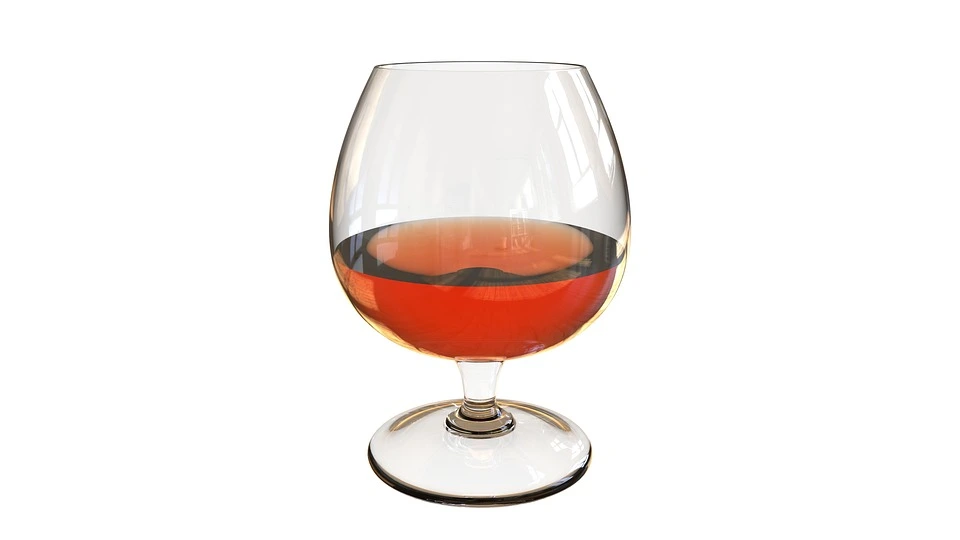
Brandy is the closest substitute for cognac in cooking, since cognac is technically just a specific type of brandy from the Cognac region of France. Sherry, whiskey, and a few non-alcoholic options also work depending on the recipe.
I don’t keep cognac on hand for everyday cooking. It’s expensive, and most recipes don’t need the real thing to turn out well. This is what I reach for instead, and how to pick the right one for what you’re making.
Key Takeaways
- Brandy is the closest substitute, since cognac is a specific type of brandy. A local, unflavored brandy works in almost any recipe that calls for cognac.
- Sherry, whiskey, and bourbon all work too, but each brings its own distinct flavor rather than mimicking cognac exactly.
- Brandy extract and fruit juice are solid non-alcoholic options if you want to skip the alcohol entirely.
- Cognac doesn’t have any proven health benefits beyond what’s claimed for alcohol generally, and current research doesn’t support even moderate drinking as good for your heart.
Table of Contents
Best Cognac Substitutes You Can Try
1. Brandy
Brandy and cognac are like champagne and sparkling wine. They are the same, but with a huge price difference. Cognac offers a better taste experience for those with a refined palate. But, the average person will need help to tell the difference.
When used in cocktails, sauces, or desserts for added flavor, no one will only know if you switch between the two. Check the label to avoid flavored ones like peach or apple brandy. It’s because these may taste bad in your food.
Brandy is great for deglazing and flambéing. Make sure the bottle you buy has 80-proof alcohol content. You can use most local brandy bottles as a cognac substitute in cooking.
A useful rule of thumb is, “if you wouldn’t drink it, don’t use it in cooking.” For a budget-friendly option, try Korbel for cooking and Brandy de Jerez for drinking. It has a heavier body and is sweeter due to using faster-maturing grapes.
2. Armagnac
If you need a cognac substitute as a digestif, try Armagnac. It is a brandy made in the Gascony region of southwestern France.
Unlike cognac, Armagnac has a lower alcohol content. But it compensates with a more sophisticated flavor profile and a drier taste. You need to use a more affordable brandy when cooking, as cooking can cause the flavor to diminish.
3. Sherry
Sherry is a fortified wine from Spain with a distinct nutty and dried fruit taste. If you need a cognac-like flavor, avoid sweet “cream sherry.” Instead, opt for a high-quality dry variety.
Sherry is a great addition to dishes like coq au vin or beef stroganoff. The alcohol flavor disappears during slow cooking, leaving a delicious and rich taste in your food.
4. Wine
White wine is your best bet when you’re in a cooking crisis and need a substitute for cognac in recipe. It can be a useful ingredient in recipes such as gravy and sauces. But, to get the best results, you must choose a cheap Sauvignon Blanc or Pinot Grigio bottle. These wines tend to be dry, making them an ideal choice for cooking.
It’s important to remember that not all white wines are created equal. Look for a wine that is medium to full-bodied and not too sweet, as this will help enhance the flavors of your dish.
But, it’s best to avoid using chardonnay as it can become bitter and astringent when reduced. This will negatively impact the taste of your food. Also, avoid bold wines like Shiraz, as they can alter the flavor of your dish.
5. Scotch whiskey
If you need alcohol to indulge in but don’t want to spend a fortune on cognac, there are several alternatives. Scotch, bourbon, and rum are all good options that offer a different taste and experience. These alternatives are also great choices if you don’t enjoy the taste of cognac.
You can use scotch when cooking. But it’s important to note that more budget-friendly options can achieve similar results. So, you must save a good bottle of Scotch for sipping and opt for a cheaper substitute for cooking. By doing so, you’ll enjoy the best of both worlds: a delicious drink and tasty meals.
6. Brandy extract
If you need a non-alcoholic substitute, brandy extract is your best bet. You can use it in various dishes to add a rich and flavorful kick. To substitute cognac in your recipe, use 1 tsp of brandy extract for every tbsp of cognac called for.
Remember that when using brandy extract in baking recipes, you may need to add more than you intend to use to compensate for the missing alcohol. But it will help to ensure that your baked goods come with the right texture and consistency.
With brandy extract, you can enjoy the taste of cognac without alcohol. This makes it a great option for anyone who wants to avoid alcohol for personal or dietary reasons.
7. Fruit juice
If you need a non-alcoholic ingredient to use in cooking, fruit juice is a great substitute. Pear, apple, apricot, or peach juice are all great options you can use in equal amounts. But, it’s important to be cautious of added sugar juices, as this can make your food overly sweet.
When using fruit juice in sauces, you must add a small amount of extra water to dilute the sweetness of the alcohol. It helps you achieve the right balance of flavors in your dish and prevent the sauce from becoming too cloying.
Also, with fruit juice as an alcohol substitute in cooking, you can enjoy the same flavors without the alcohol.
What Is the Best Substitutes for Cognac in Different Recipes?
It can be difficult to find the ideal cognac replacement in your food recipes at times. But with a little knowledge and creativity, you can find an alternative that works well in your dish and enhances the overall flavor profile. Depending on the recipe, several substitutes can be used for cognac, each with its unique taste and benefits.
For cooking, a common substitute for cognac is brandy or a non-alcoholic alternative, such as apple juice or chicken broth. In baking, vanilla extract or a combination of lemon juice and white wine can also be used. In cocktails, whiskey, rum, or Grand Marnier are popular substitutes for cognac.
Keep in mind that swapping out cognac will change how a recipe turns out, so you might need to adjust other things to get the result you want. The best substitute really depends on the dish and what you’re going for, so don’t be afraid to experiment until you find what works for you.
Where Cognac Comes From
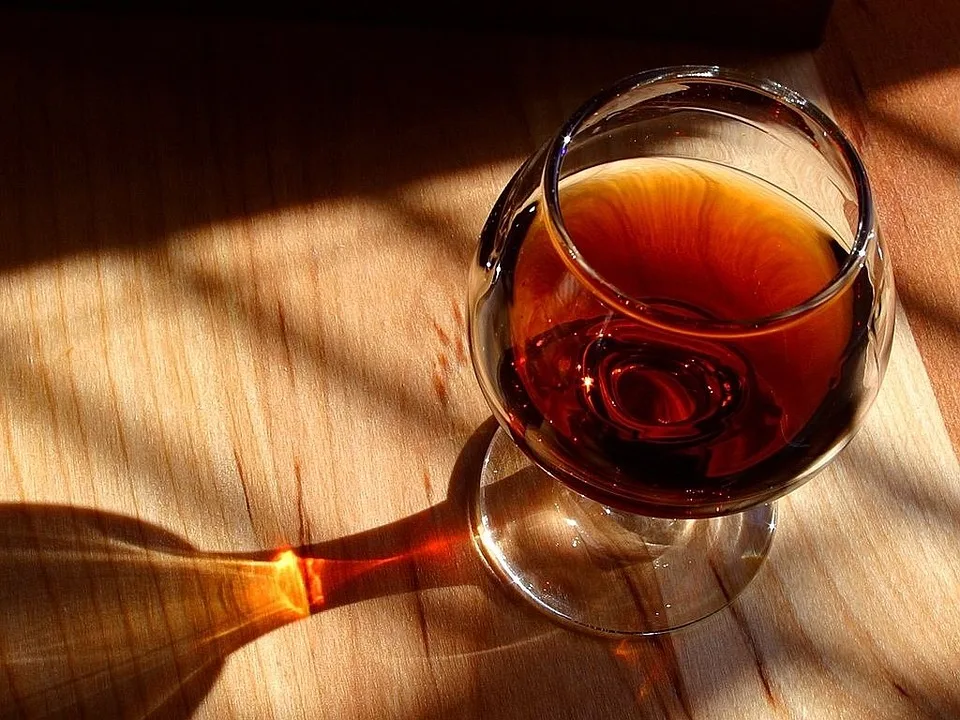
Cognac is a type of brandy that originated from the Cognac region of France. They produce it by distilling wine gotten from grapes grown in the region. They age the cognac in oak barrels, contributing to its distinctive flavor and aroma.
Despite older claims that moderate drinking is good for heart health, current research doesn’t back that up. Major reviews, including from the World Health Organization, have found no level of alcohol consumption that’s genuinely risk-free, and older studies suggesting a heart benefit didn’t hold up once researchers corrected for other factors. Cognac’s real value in the kitchen is flavor and technique, not health.
How Is Cognac Made
You can produce cognac by turning grapes into wine. Then, distilling the wine twice and aging it in oak barrels. Big cognac houses count on the support of about 6,000 local grape growers. The local growers provide the houses with grapes. They also provide them with the eau-de-vie, the foundation of this great drink.
Make a wine
When producing cognac, you can use eight wine grape varieties. But, locals use Ugni Blanc, also called Trebbiano in Italy, and “Saint-Emilion.” The others are Colombard and Folle Blanche. They also use less common ones like Jurançon, Belzac Blanc, Blanc Ramé, Bouilleaux, and Chalosse. Some wine connoisseurs say cognacs from Folle Blanche deliver the best results. But, its susceptibility to the vine root aphid, phylloxera, has led to its decline.
They harvest the grapes in October and extract the juice by pressing them. You’re to ferment the juice until it reaches 9% ABV. Note that you don’t need sugar. For cognac houses, the best wine has a low alcohol content and high acidity. So, it makes it less tasty as a standalone drink but suitable for distillation.
Distillation
Cognac production starts with distillation. You’re to do it twice in onion-shaped copper pot stills called Alembic Charentais. Unlike whisky, there’s a strict timeline when producing cognac. Distillation must start by the end of November and conclude by March 31st of the next year in the Cognac region.
During distillation, heat the wine in a ‘boiler.’ The resulting vapor will rise through the still head into a condensing cooler. The spirit, called Brouillis, emerges with an alcohol content of around 30%. It then returns to the boiler for a second distillation.
Select the second distillation’s middle cut, or ‘heart,’ for further aging in oak barrels. The spirit will mature. It develops unique flavors and elements that define cognac as a luxurious and refined spirit.
Wait
The aging process of cognac involves a wait, a very important one. First, store the spirits in Chais, or warehouses, made from oak wood from Limousin and Tronçais forests. Limousin oak boasts a wide grain. It imparts rich tannins to the eau-de-vie, softening and taming its flavors. But, Tronçais oak is good for younger cognacs, lending fewer woody notes to the spirit.
When the blender determines that eau-de-vie reaches its peak, transfer the liquid to glass Demijohns called Bonbonnes to stop aging. Keep these Bonbonnes in the Paradis, a sacred location for the finest cognacs. And then we wait until you’re ready to bottle the cognac and share it with the world.
Can I Substitute Sherry for Cognac?
If you want to use Sherry as a substitute for Cognac in your recipe, you may wonder if it’s possible. Although they are alcoholic drinks, they have different flavors and aromas. This difference may not make them interchangeable in every food recipe.
Yes, you can substitute Sherry for Cognac in your recipes. They are fortified wines whose flavors vary, affecting the food’s taste.
Sherry is made from white grapes in the Jerez region of Spain. They are aged in oak barrels and have a nutty, sweet flavor. Cognac is a brandy distilled from white wine. It’s primarily grown in the Cognac region of France. It has a tricky flavor profile with a hint of fruit, vanilla, and oak.
For meals you use alcohol in adding flavor, you can substitute Sherry for Cognac. But, remember that they taste and smell differently than if you used Cognac.
Use Sherry as a substitute if you’re making meals that need Cognac but do not have any. But remember that you won’t have the results as the original recipe. If you want to stay true to the original recipe, it is best to use the specified alcohol.
Can I Substitute Whiskey for Cognac in a Recipe?
Swapping ingredients is common in cooking, but different ingredients can noticeably change how a dish turns out. So it’s a fair question whether whiskey works as a stand-in for cognac.
The answer depends on your choice of dish and your personal taste preferences.
Cognac is a type of brandy made from grapes and has a smooth, refined flavor with notes of fruit and vanilla. On the other hand, whiskey is a distilled spirit made from grains and has a bold, smoky flavor.
If the recipe you’re making calls for cognac as a flavor enhancer or for deglazing a pan, you can use whiskey as a substitute. However, it’s important to remember that whiskey will alter the dish’s flavor and add its unique taste.
If you’re looking to substitute whiskey for cognac in a recipe, it’s best to try it in a small amount first and adjust accordingly. By doing so, you’ll be able to determine if the substitution works for your dish and if you like the result.
Can You Substitute Bourbon for Cognac?
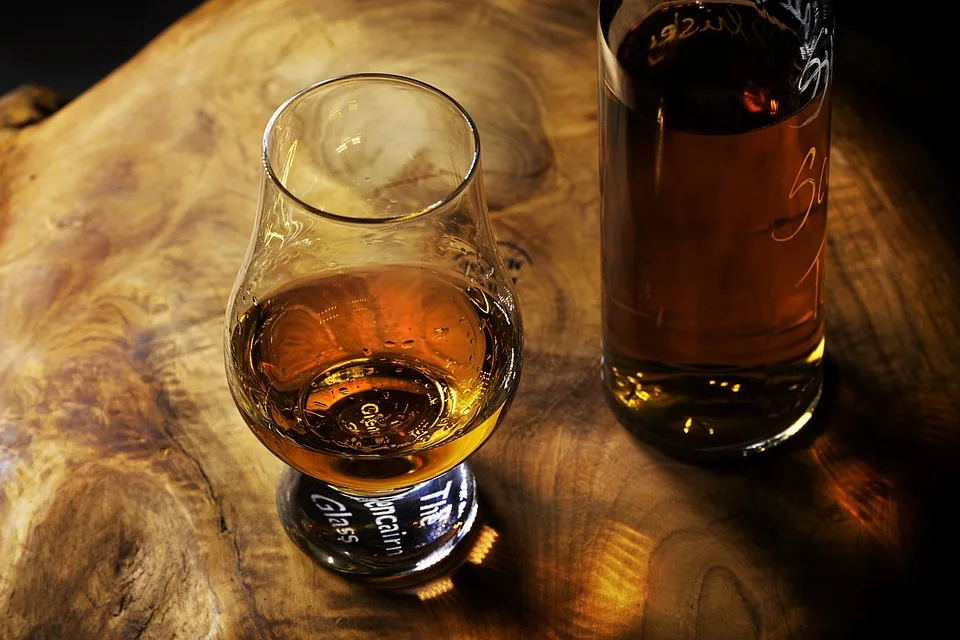
Yes, you can substitute Bourbon for Cognac in a recipe. But you must remember that Bourbon and Cognac are distinct spirits with unique flavors and aromas. Bourbon is made from a mash bill of corn and aged in charred oak barrels. While Cognac is made from grapes and aged in Limousin oak barrels.
It means substituting Bourbon for Cognac will produce a different flavor for your food. Bourbon has a sweeter, smoother taste, with notes of vanilla and caramel. But Cognac has a more complex, sophisticated flavor with hints of dried fruit and spices. To substitute bourbon for Cognac, use a one-to-one ratio and adjust the seasoning to taste. But, if Cognac is a key ingredient, you should refrain from substituting it to ensure the best result.
My Take
When looking for a substitutes for Cognac, you must consider the flavor and alcohol content. You can use whiskey and bourbon as a substitute. But, they offer a different flavor and can alter the meal’s taste. Sherry and brandy are common substitutes for Cognac. It is because they offer a similar flavor and alcohol content.
The best Cognac substitute depends on the recipe and personal taste preferences. Try it out with a small amount before using it as a substitute. It ensures you achieve the desired flavor. With a little experiment and creativity, finding a substitute for Cognac will be an exciting culinary journey.
FAQs
What’s the best all-purpose substitute for cognac in cooking?
Brandy is the closest match, since cognac is technically just brandy from a specific region of France. Any decent, unflavored brandy works in almost any recipe that calls for cognac.
Can I substitute whiskey for cognac?
Yes, but expect a noticeably different, smokier flavor. It works fine for deglazing or as a general flavor enhancer, just start with a small amount and adjust to taste.
Is there a good non-alcoholic substitute for cognac?
Brandy extract is the closest option, used at about 1 teaspoon per tablespoon of cognac called for. Fruit juice, like apple or pear, also works in recipes where a little sweetness fits.

Cynthia Odenu-Odenu is the founder of Cyanne Eats. A registered nurse with a passion for food, she brings the same attention to detail from her professional life into the kitchen. From chain restaurant rankings to grocery finds and easy recipes, Cynthia covers it all and helps everyday food lovers eat better and spend smarter.