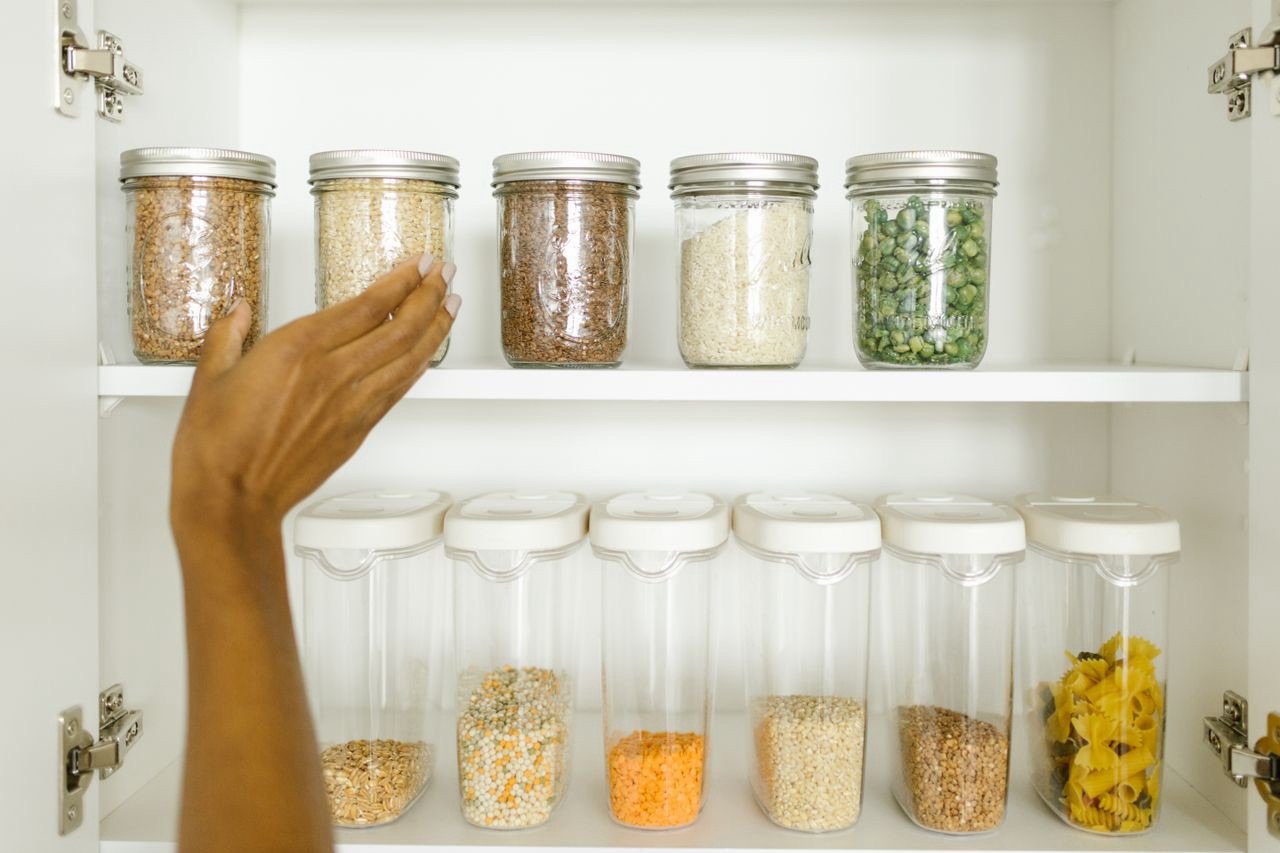
A solid summer shelf stable food list runs on canned tuna and salmon, canned beans, peanut butter, dry pasta, quick-cooking couscous, canned tomatoes, a good olive oil and vinegar, and salty snacking staples like almonds, since all of it holds its quality at room temperature and needs nothing more than a can opener or five minutes of boiling water.
I used to treat grocery shopping the same way in July as I did in January, same list, same frequency, same route through the store. Then I had a week where the car thermometer hit 104 on the drive home twice, and I watched a bag of deli turkey basically cook itself in the fifteen minutes it sat in my trunk while I ran one more errand. That was the summer I rebuilt my pantry around things that don’t punish me for not making it home in twenty minutes flat.
This list isn’t about prepping for a disaster. It’s a pantry essentials list built for cutting down how often I have to get in a hot car, stand in an air conditioned store trying not to sweat through my shirt, and race the clock to get everything home before it turns. Below is what actually earns a spot in my pantry every summer, what I use it for, and where I’ve messed it up so you don’t have to.
Key Takeaways
- Canned proteins, beans, nut butter, and dry pasta or couscous hold their quality at room temperature for months, so one big stock-up trip can replace several small ones
- If it’s hotter than 90°F outside, perishables have about an hour from the shelf to your fridge before food safety becomes a real concern, which is the whole reason a shelf-stable backbone matters
- No-cook meals built from pantry staples plus whatever cold produce you already have keep the stove off during the hours it’s already miserable to be near it
- A few of these need almost no heat to prepare, five minutes of boiling water for couscous versus a full pot boil for pasta, which matters more than it sounds like when your kitchen is already 85 degrees
- Buying pantry basics in bulk during a slower shopping week means fewer total trips during the stretch of summer when you’d honestly rather not leave the house
Table of Contents
The 8 Summer Pantry Staples to Stock
Each of these does something specific for hot-weather cooking, whether that’s protein without a stove, a base for a cold dinner, or a snack that doesn’t need to live in the fridge. I’ve tested every one of these through at least one real heat wave.
1. Canned Tuna and Salmon
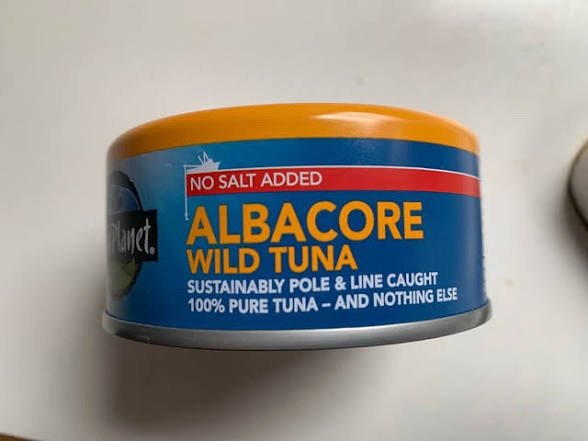
Canned tuna and salmon are the backbone of my summer protein rotation because they’re already cooked, already portioned, and they don’t care how long the drive home takes. I switched from buying fresh fish or deli meat for quick lunches to keeping a few cans of Wild Planet albacore tuna and StarKist pink salmon pouches on hand after that turkey-in-the-trunk incident.
A can of tuna mixed with a spoon of mayo, a squeeze of lemon, and whatever crunchy vegetable is in the crisper turns into lunch in under five minutes, no burner involved. Salmon pouches work the same way but taste a little richer, and I like them straight over a bed of greens when I don’t even want to open a mixing bowl.
If you want a cold, forkable version of this idea that actually holds up on a table for hours, canned salmon or a rotisserie chicken swap both work in my marry me chicken salad.
2. Canned Beans and Chickpeas
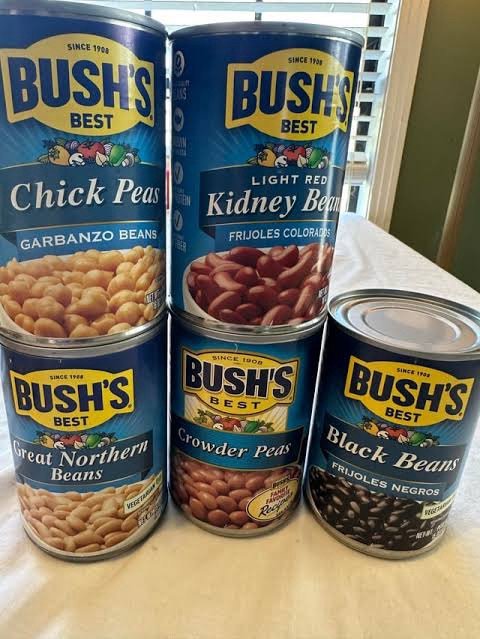
Beans were the ingredient I underrated for years, mostly because I associated them with slow-cooked winter chili and not much else. Once I started rinsing a can of Bush’s Best chickpeas and tossing them straight into a cold salad, that changed fast.
Rinsing matters more than I expected. The first few times I skipped it, the beans carried a slightly metallic, over-salted taste that a proper rinse under cold water completely fixes.
A can of chickpeas or black beans gives you plant protein and fiber with zero cook time, and they hold their texture in the fridge for days better than most cooked grains do. I keep at least four cans in rotation through summer, more than any other single item on this list.
3. Peanut Butter and Other Nut Butters
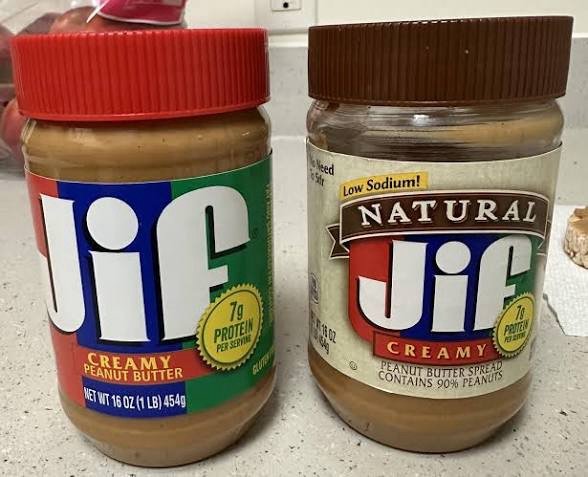
Peanut butter is the one item here that surprised me most for how long it actually holds up. I left an unopened jar of Jif natural peanut butter in a pantry that regularly hit 85 degrees for most of one August, and it tasted exactly the same when I finally cracked it open.
It’s not just a sandwich spread. A spoonful thinned with a little water, soy sauce, rice vinegar, and lime juice turns into a peanut noodle sauce good enough that I stopped ordering it out. It also works as a two-minute protein boost stirred into oatmeal or blended into a smoothie when turning on the stove for breakfast is the last thing I want to do.
Natural peanut butter with visible oil separation needs a stir before its first use, but after that it’s shelf-stable and doesn’t need the fridge at all.
4. Dry Pasta for Cold Salads
Pasta still needs the stove, so I’m not going to pretend otherwise, but a box of dry pasta earns its spot because the actual active cooking time is short and the payoff is a dish that gets better cold. I boil a pot early in the morning before the kitchen heats up, then let it chill in the fridge until dinner.
My hot honey Caesar pasta salad started exactly this way, built around leftover chicken and whatever pasta shape I had open. If you want more ideas built the same way, my roundup of summer salad recipes leans hard on the same cook-once-eat-cold logic.
The trick I learned the hard way is to slightly undercook it and toss it with a little olive oil right after draining. Pasta that sits in the fridge overnight without oil clumps into something closer to a brick than a salad.
5. Quick-Cooking Couscous
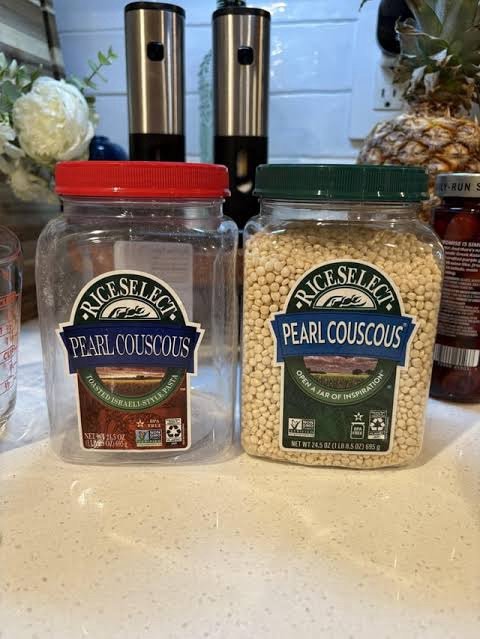
Couscous does almost everything pasta does with a fraction of the stovetop time, since most versions just need boiling water poured over and a five-minute rest under a lid. I keep a jar of RiceSelect pearl couscous around specifically for the days when even a full pasta boil feels like too much heat to add to the kitchen.
The texture is chewier and a little nuttier than regular fine couscous, and it holds its shape better in a cold salad the next day, which matters if you’re making a bowl to eat across two or three meals. I toss it with canned chickpeas, chopped cucumber, and a hard squeeze of lemon and I’m done in under fifteen minutes total, most of that just waiting.
It’s one of the few starches on this list where the recipe is basically foolproof even in a kitchen with no air conditioning.
6. Canned Tomatoes
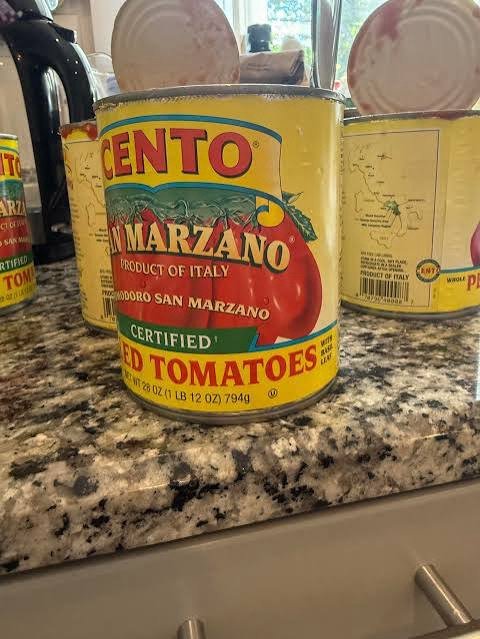
Canned tomatoes go further than I expected once I stopped thinking of them as only a pasta sauce ingredient. Blitzing a can of Cento San Marzano tomatoes with a cucumber, a splash of vinegar, and some olive oil in a blender gets you a cold soup in about five minutes flat, no stove required at all.
That’s basically how I made gazpacho for the first time, more out of desperation on a 101 degree afternoon than any real plan, and it turned into a dish I now make on purpose every summer. The acid in canned tomatoes also means they keep in a sealed can for well over a year in the pantry, longer than almost anything else on this list.
Once opened, move leftovers to the fridge in a separate container rather than leaving them in the can, since the can’s lining can start to affect the flavor after a day or two.
7. Good Olive Oil and Vinegar
Every no-cook meal on this list needs something to tie it together, and that’s what olive oil and a decent vinegar are for. I keep a bottle of Colavita extra virgin olive oil on the counter, not in a cabinet, because I genuinely use it that often once the weather turns hot.
A basic dressing of three parts oil to one part vinegar with a pinch of salt turns canned beans, cold pasta, or a plain can of tuna into something that actually tastes intentional. I got into the habit of keeping two vinegars on hand, a plain white wine vinegar for anything delicate and a stronger red wine vinegar for heartier salads, after one too many bland bowls of beans.
Both oil and vinegar are shelf-stable for months once opened, which makes them some of the lowest-maintenance items in this entire list.
8. Nuts, Seeds, and Dried Fruit
Nuts and dried fruit round this list out because they’re the part that needs zero prep at all, straight from the bag to a bowl or the top of a salad. I go through a bag of Blue Diamond almonds faster in July than any other month, mostly as a handful when I don’t want to think about food at all.
Chopped almonds or sunflower seeds give a cold pasta or couscous salad the crunch it’s missing once everything else in the bowl has softened a little in the fridge. Dried fruit does something similar but sweeter, and a small handful of golden raisins in a couscous salad is one of those additions that sounds odd until you actually try it.
Shelf-stable jerky belongs in this same category if you want a heavier protein snack that survives a hot glovebox better than almost anything else you could grab.
A Few No-Cook Combos I Actually Make
- Canned tuna, rinsed chickpeas, chopped cucumber, olive oil, and lemon, no stove at all
- Cold couscous, canned chickpeas, halved cherry tomatoes, and a vinegar-heavy dressing
- Peanut butter thinned with soy sauce and lime over cold noodles with whatever vegetable needs using up
- Canned salmon over greens with a handful of almonds and a squeeze of whatever citrus is on the counter
Buy the Big Trip, Skip the Small Ones
The whole point of stocking a pantry like this is fewer trips, not zero cooking forever. I do one real stock-up run at the start of the season, load up on everything above, and then spend the worst weeks of summer only running out for produce and whatever’s actually perishable.
If you’re also trying to tighten up what lives in your fridge for the rest of the year, my chef fridge essentials piece covers the stuff that’s worth keeping cold, which pairs well with everything shelf-stable here. And if what you actually need is a system for batching proteins and carbs ahead of a busy week rather than just a shopping list, my meal prep breakdown walks through exactly how I do that.
This is deliberately a bare-bones pantry essentials list, not a flavor guide. If you want the ingredients that add flavor on top of a plain pot of rice or a bowl of beans, I already covered those separately in my cheap pantry ingredients under $5 roundup, and the two lists work well stocked side by side.
FAQ
What pantry staples keep best in the heat without a fridge?
Canned proteins like tuna and salmon, canned beans, peanut butter, dry pasta, couscous, canned tomatoes, olive oil, vinegar, and nuts all hold their quality at normal room temperature for months, some for well over a year unopened.
How long can groceries safely sit in a hot car in summer?
About an hour total once it’s over 90°F outside, and less than that if it’s hotter, since car interiors can climb past 100°F within twenty minutes even on a mild-looking day.
Can I actually meal prep with pantry staples alone, no cooking?
Yes, for several meals a week. Canned protein, beans, and a starch like couscous or pasta cooked once and chilled cover lunches and dinners without touching the stove again until you restock.
How is this different from the cheap pantry ingredients under $5 list?
That roundup covers flavor boosters like chili crisp and Better Than Bouillon that upgrade a dish you’re already making. This list is the shelf-stable basics themselves, the protein, starch, and pantry essentials that make up the meal in the first place.
Do canned goods actually lose quality sitting in a hot pantry all summer?
Extreme, sustained heat can speed up flavor and nutrient loss over time, but a normal indoor pantry that isn’t regularly over 100°F is fine for the shelf life printed on the can. The bigger risk is a garage or car trunk, not a kitchen cabinet.

Cynthia Odenu-Odenu is the founder of Cyanne Eats. A registered nurse with a passion for food, she brings the same attention to detail from her professional life into the kitchen. From chain restaurant rankings to grocery finds and easy recipes, Cynthia covers it all and helps everyday food lovers eat better and spend smarter.