
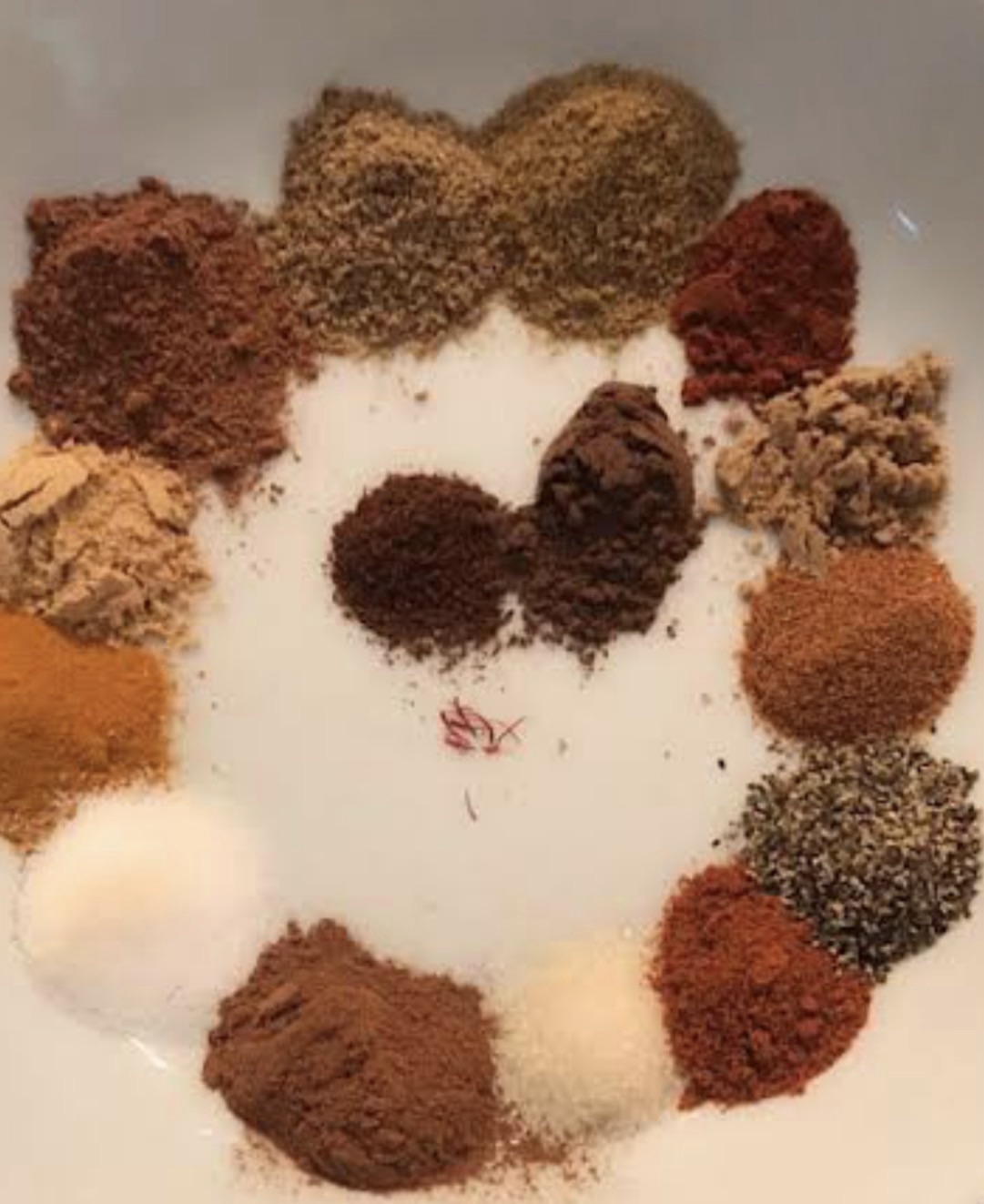
Real, traditional spice combinations, like Moroccan ras el hanout on chicken thighs or Korean gochugaru on cabbage, can turn cheap staples into food that tastes like an actual regional cuisine, as long as you use real ratios and not just a random pinch of whatever’s in the cabinet.
I did not grow up with a spice rack that went past salt, pepper, and whatever came in the taco seasoning packet. I built mine slowly, one blend at a time, mostly by getting a dish wrong first and figuring out why. The gap between “add some cumin and paprika” and an actual spice mix recipe comes down to ratio and technique, not the spice list itself.
Every combination below is something I’ve made more than once, on the cheapest version of the ingredient I could find. Rice, eggs, canned chickpeas, ground beef, cabbage. Nothing here requires a special trip to a fancy butcher, though a couple of them do send you to the international aisle, and I’ll tell you exactly which ones and why it’s worth it.
Key Takeaways
- These are 8 real, traditional spice combinations tied to an actual cuisine, not invented “fusion” blends
- The ratio matters more than which spices you throw in. “Add cumin and paprika” is not a spice mix recipe
- Two of these need a specialty-aisle or online order (sumac, gochugaru). I’ll tell you which and what happens if you sub around it
- How you apply the heat, bloomed in oil versus toasted dry versus stirred in raw, changes the result more than people think
- Ground spices go flat within about six months to a year. Whole spices last a lot longer
- None of these require fancy protein. Chicken thighs, ground beef, canned beans, eggs, cabbage, potatoes, lentils, and rice cover the whole list
Table of Contents
The 8 Combinations at a Glance
| Cuisine | Spice Combo | Best On | Specialty Trip Needed? |
| Moroccan | Ras el hanout | Chicken thighs | No, all supermarket spices |
| Lebanese | Baharat (7-spice) | Ground beef | No, all supermarket spices |
| Levantine | Za’atar | Eggs | Yes, sumac |
| Indian | Curry base + garam masala | Canned chickpeas | No, but a real garam masala brand helps |
| Korean | Gochugaru, garlic, sesame | Cabbage | Yes, gochugaru |
| Greek | Lemon, oregano, garlic | Potatoes | No, all supermarket spices |
| Ethiopian | Berbere | Lentils | Yes, fenugreek seed |
| Persian | Advieh (rice spice) | Rice | Optional, dried rose petals |
The 8 Spice Combinations
Moroccan Ras El Hanout, on Chicken Thighs
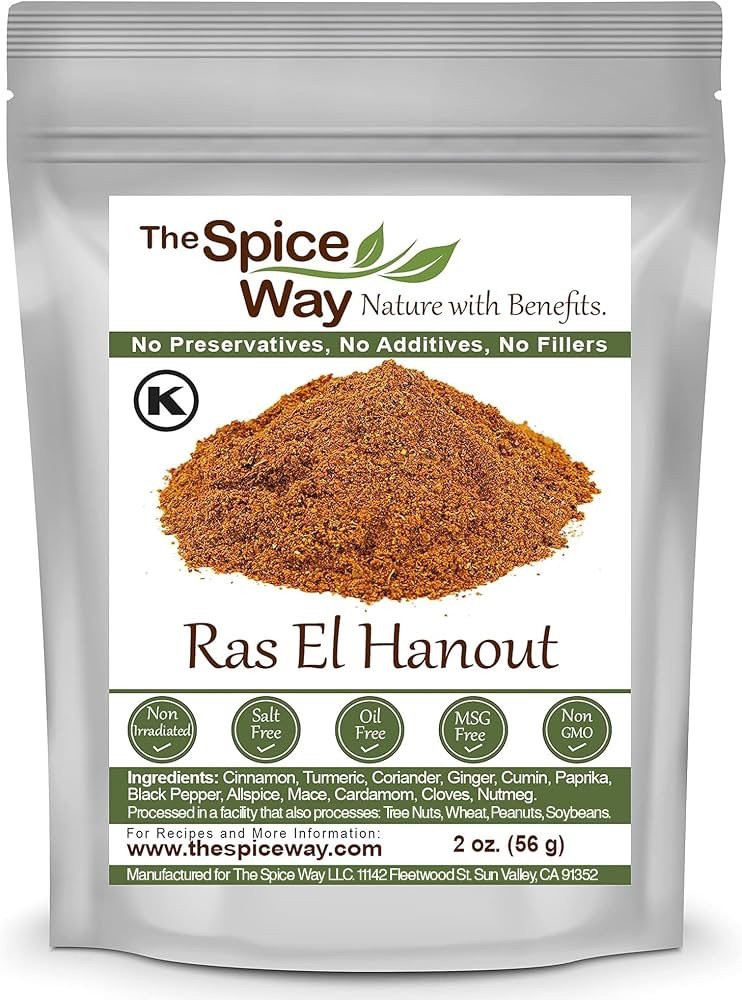
Ras el hanout means “head of the shop” in Arabic, because it was traditionally a spice merchant’s own signature blend. There’s no single official version, every shop had its own, but the one I use is 1 tablespoon each of ground cumin, coriander, turmeric, and paprika, 1 and a half teaspoons of grated nutmeg, 1 teaspoon each of cinnamon, cardamom, allspice, and cayenne, and half a teaspoon of ground cloves.
Chicken thighs are the move here, not breasts. The fat renders while it braises and carries the warm, sweet-savory spice mix the way lamb would in an actual tagine. I toast the whole-spice versions in a dry pan before grinding when I have the time, but the pre-ground version still works if you’re in a hurry.
The first time I made this, I went heavy on the cardamom because I love it in coffee. Big mistake. Past a certain point cardamom stops being warm and floral and starts tasting like cough medicine, and it took me two batches to learn where that line is.
Grab a jar of ras el hanout if you don’t want to buy nine separate spices for one dish. It’s genuinely one of the more useful jars in my cabinet now.
Lebanese Baharat, on Ground Beef
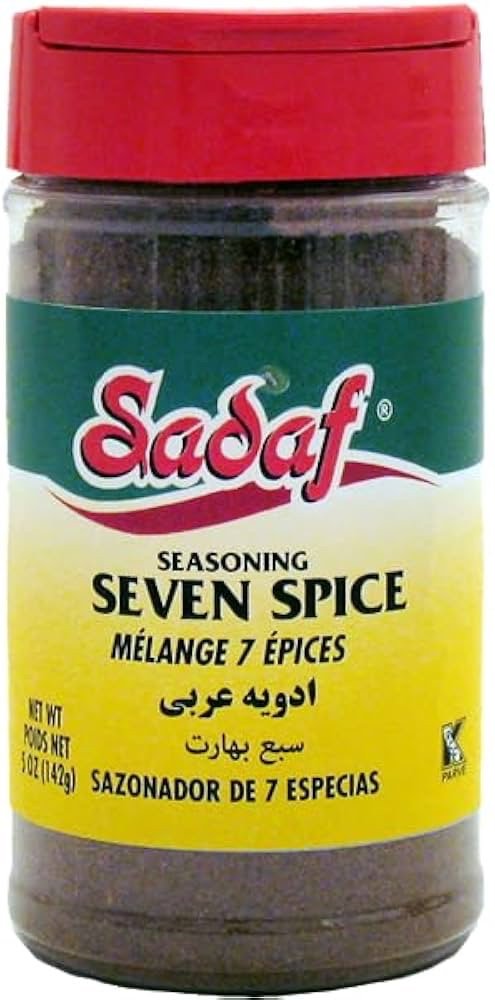
Baharat, sometimes called Lebanese seven-spice, is the backbone of kafta and a dozen other ground-meat dishes across the Levant. My version is 2 parts allspice to 1 part each of black pepper, cinnamon, ground cloves, coriander, cumin, and nutmeg. Every family blends it slightly differently, which is normal, not a sign you’re doing it wrong.
Unlike some of the others on this list, baharat gets mixed straight into raw ground beef with grated onion and parsley, no blooming required, since it cooks along with the meat. This is basically the backbone of my sheet pan doner kebab recipe, and it’s the same reason that one tastes like something you’d actually get from a kebab shop.
The first bite of kafta with cinnamon and clove mixed into ground beef threw me off a little. My brain wanted dessert. By the third bite it clicked, and now baharat is one of the blends I reach for most.
I use Sadaf’s seven-spice baharat when I don’t feel like measuring out seven jars for a weeknight dinner.
Levantine Za’atar, on Eggs
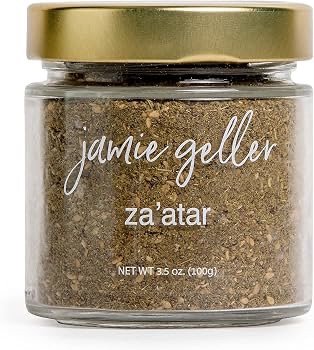
Za’atar is thyme, sumac, and toasted sesame seeds, and the sumac is what makes it taste unmistakably like itself. My ratio is 4 tablespoons dried thyme, 1 tablespoon dried oregano, 2 tablespoons sumac, 1 teaspoon salt, and a quarter cup of toasted sesame seeds.
Fried eggs with olive oil and a heavy dusting of za’atar is a real Levantine breakfast, not something I made up to fill out a list. It also works well spooned over roasted potatoes if eggs aren’t your thing that morning.
If you love what a spice combo can do to plain eggs, my Chinese steamed egg recipe does something completely different with the same cheap ingredient.
Sumac is the one spice on this whole list that’s genuinely hard to find at a regular grocery store. Lemon zest gets you tartness without the fruity, slightly sour depth sumac actually has, so it’s a real downgrade, not a true substitute. I’d rather order the real thing once than fake it every time.
A jar of Jamie Geller’s za’atar already has the sumac blended in, which saves you from tracking it down separately.
Indian Curry Base and Garam Masala, on Canned Chickpeas
This one is really two spicing stages, not one. I bloom 1 teaspoon each of cumin and coriander and half a teaspoon of turmeric in oil with garlic and ginger at the start of cooking, then stir real garam masala in during the last few minutes, not the beginning.
I used to buy the pre-made garam masala jar at a regular grocery store and wonder why my chana masala tasted flatter than what I’d get at an actual Indian restaurant. Most supermarket jars bulk up on cheap cumin and coriander and go light on the expensive parts, cardamom and clove, which is exactly the part doing the real work. Once I started finishing with a real garam masala instead, the difference was obvious.
I used to think canned chickpeas just tasted like the can, no matter what I did to them. Rinsing them hard, patting them completely dry, and browning them in the spiced oil before any liquid goes in fixed that. It’s an extra five minutes and it matters more than any other single step here.
MDH’s garam masala is the brand I keep coming back to. It’s the one I see used most in Indian restaurants I trust.
Korean Gochugaru, Garlic, and Sesame, on Cabbage
This is the seasoning base behind kimchi and most Korean banchan, and cabbage is genuinely the cheap ingredient it was built for. For a quick, single-dish version I use about 2 tablespoons gochugaru, 1 tablespoon each minced garlic and grated ginger, 1 teaspoon sugar, and 1 tablespoon sesame seeds.
Salt the shredded cabbage first and let it sit for thirty to sixty minutes to pull out water and wilt it, then rinse and drain before mixing in the gochugaru paste. Skip that step and you get a watery, bland version that tastes nothing like real quick kimchi, which is a mistake I made exactly once. If you’re already leaning into bright, punchy flavors on cheap vegetables, my viral carrot ribbon salad uses a similar sesame-forward dressing on carrots instead of cabbage.
Regular chili flakes are not a real substitute for gochugaru. They’re much hotter and missing the fruity, slightly smoky sweetness that makes Korean food taste like Korean food, not just spicy food.
Nongshim’s gochugaru is MSG-free and the brand I trust most for actually tasting like the real thing.
Greek Lemon, Oregano, and Garlic, on Potatoes
This one is basically the marinade for Greek lemon potatoes, no adaptation needed. I use a third cup of olive oil, the juice of one and a half lemons, a teaspoon of salt, four cloves of garlic, and two teaspoons of dried Greek oregano, tossed with cubed potatoes before roasting.
The garlic goes in about fifteen minutes before the potatoes finish, not at the start. Fresh garlic added too early in a hot oven turns bitter and burnt, and that timing detail is the difference between “lemon herb potatoes” and something that actually tastes Greek.
Regular dried oregano works fine here, but real Greek oregano has a bolder, almost peppery edge to it that Mediterranean oregano doesn’t quite have. This one is organic and hand-picked, and I noticed the difference the first time I used it instead of the generic jar.
Ethiopian Berbere, on Lentils
Berbere is the defining Ethiopian spice blend, and it’s built to stretch across humble legumes and root vegetables, which makes lentils a natural fit. I toast whole coriander, fenugreek, black peppercorns, allspice, cardamom pods, and cloves together in a dry pan, cool them completely, then grind and stir in paprika, salt, nutmeg, ginger, and cinnamon.
I scorched a batch of coriander and fenugreek once by walking away for maybe thirty seconds too long. Burnt spices turn bitter, not just weak, and there’s no cooking around that once it happens. Toss it and start over.
Fenugreek seed is the one specialty item here, and there’s no substitute that gets close to its bitter, almost maple-like note. A small pinch of curry powder is the closest thing I’ve found, and it’s still not really the same.
I use Spicy World’s berbere on nights I don’t have time to toast and grind six spices from scratch.
Persian Advieh, on Rice
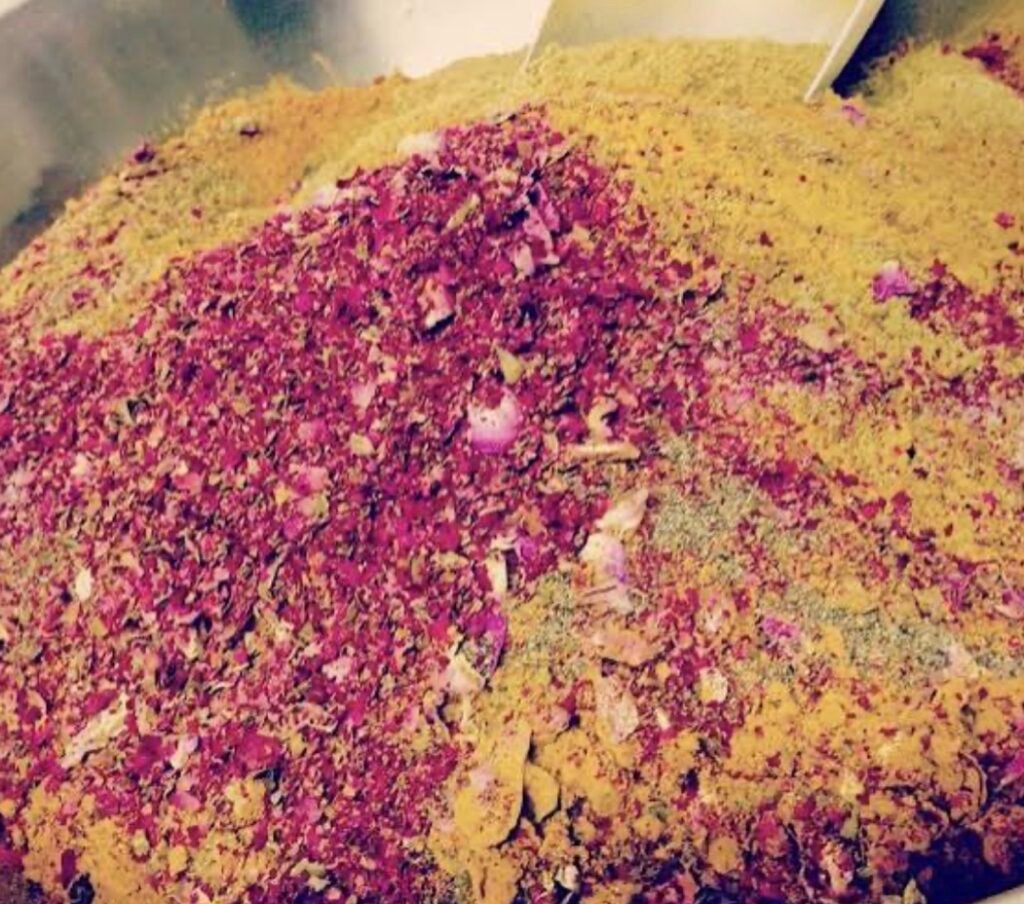
Advieh berenj, the rice version specifically, is dried rose petals, whole cumin seed, whole cardamom pods, and a cinnamon stick, ground together. It gets stirred into the rice after draining but before the final steam, not boiled into the cooking water, which is what actually preserves the aroma instead of cooking it off.
Plain white rice with a spoonful of advieh stirred in right before steaming tastes noticeably different from anything I make with just salt and butter. The rose petals are optional if you can’t find them. You lose the floral top note but the blend still works without it.
I keep a bottle of Sadaf’s advieh polo next to my rice cooker specifically for this.
How to Bloom Ground Spices in Oil
Most spice aroma is fat-soluble, not water-soluble. That’s the whole reason blooming ground spices in hot oil pulls out more flavor than just stirring them into a liquid.
- Heat your oil first, over medium, before the spices go in
- Add the ground spices and stir constantly
- Watch for tiny bubbles forming around the spices and the oil turning glossy and fragrant
- Pull it off heat once that happens, usually thirty seconds to a minute, before it scorches
Toasting whole spices before grinding does something similar. Cumin that’s been sitting pre-ground in my cabinet for a year or two tastes dusty and flat. Fresh-ground cumin, toasted first, is bright and almost citrusy, and that freshness gap matters more than nailing a ratio exactly.
If you’re making more than one of these blends, a dedicated grinder is worth it. I use a Cuisinart spice grinder just for this so I’m not stuck with cumin-flavored coffee for a week.
Store whatever you make in small glass jars so you actually use it up before it goes stale. A labeled set like this one keeps my cabinet from turning into a guessing game.
Start With Whichever One Sounds Like Dinner
If you already have chicken thighs and a decent spice rack, start with the ras el hanout. It’s the most forgiving one on this list and the payoff is obvious the first time. If you want something that costs almost nothing to try, the Greek potatoes use ingredients most people already have in the kitchen right now.
None of this needs to happen all at once. I built my spice rack blend by blend, over about a year, mostly by cooking the same cheap ingredients differently until one version actually tasted like where it came from. If you want another example of a cheap, humble ingredient getting a full flavor transformation, my golumpki soup recipe does the same thing with ground beef, rice, and cabbage in one pot.
FAQ
What’s the easiest spice combination on this list to start with?
Ras el hanout on chicken thighs is the most forgiving. Every spice in it is standard supermarket stock, and the payoff is obvious even if your ratios are slightly off the first time.
Do I need specialty spices to make these blends work, or can I use what’s already in my cabinet?
Six of the eight use only standard supermarket spices. Sumac (for za’atar) and fenugreek seed (for berbere) are the two genuine specialty items, and neither has a true 1:1 substitute.
How long do homemade spice blends actually stay fresh?
Ground spices hold real flavor for about six months to a year before they go flat, even if they’re not technically “expired.” Whole spices last a lot longer, often a few years, since their unbroken surface protects the oils inside.
Is it really worth toasting and grinding my own spices instead of using pre-ground?
For anything spice-forward, yes. It’s the single biggest upgrade you can make to any of these blends, bigger than getting the exact measurements right.
Do canned beans and lentils work as well as dried ones with these spice combinations?
Yes, if you rinse them well, dry them, and brown them in the spiced oil before adding any liquid. Skip that step and they end up tasting like the can, no matter how good the spices are.

Cynthia Odenu-Odenu is the founder of Cyanne Eats. A registered nurse with a passion for food, she brings the same attention to detail from her professional life into the kitchen. From chain restaurant rankings to grocery finds and easy recipes, Cynthia covers it all and helps everyday food lovers eat better and spend smarter.