
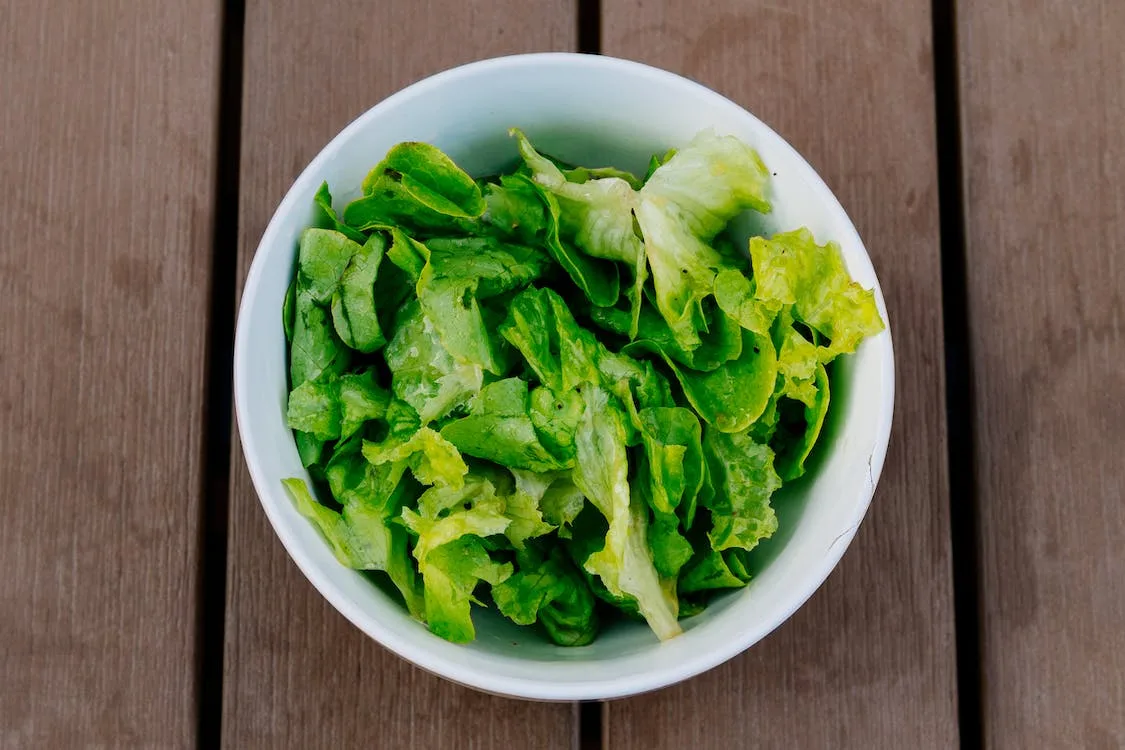
You can freeze dry lettuce, but I wouldn’t bother if you’re hoping for salad-ready greens later. Lettuce is around 95% water with almost no structure to hold it together, so it comes out of the freeze dryer brittle and never really regains that crisp texture once rehydrated.
I tried this with a head of romaine that was about to go bad, half expecting emergency salad greens on demand. What I got back was closer to green flakes than lettuce. This is why it doesn’t work the way you’d hope, and where freeze-dried lettuce actually is useful.
Key Takeaways
- Freeze-drying lettuce technically works as a drying process, but the rehydrated result isn’t usable as salad greens.
- Lettuce’s high water content and delicate cell walls don’t hold up the way sturdier vegetables do.
- The best use for freeze-dried lettuce is crumbled into a powder for smoothies, soups, or scrambled eggs, not as a salad substitute.
- If you want fresh-tasting greens later, regular refrigeration or a quick vinegar rinse does more for lettuce than a freeze dryer ever will.
Table of Contents
Why Lettuce Freeze-Dries Poorly
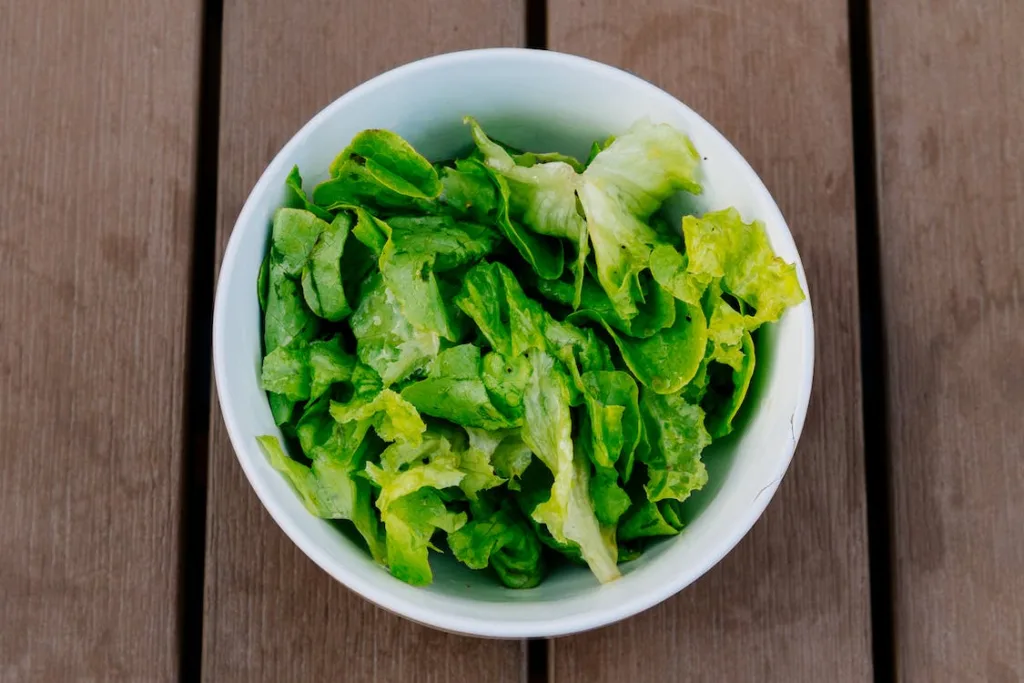
Freeze-drying works by freezing food, then pulling the water out directly as vapor under vacuum, a process called sublimation. It’s great for foods that have enough structure, like fiber, pectin, or starch, to hold their shape once the water is gone.
Lettuce doesn’t have much of that. It’s almost entirely water with thin, delicate cell walls and very little solid material backing it up. Once the water sublimates out, there’s nothing rigid left to hold the leaf’s shape, so it collapses into something brittle and flaky instead of staying crisp.
That’s also why it doesn’t rehydrate well. Add water back and it goes limp rather than snapping back to its original crunch, the opposite of what you’d want in a salad.
What Actually Works Well Instead
If you’ve got a home freeze dryer, save it for vegetables and fruits with more structure, things like corn, strawberries, bell peppers, or herbs. They hold their shape and rehydrate much closer to their original texture.
For lettuce specifically, regular fridge storage still wins for keeping it edible longer. Wrapping it loosely with a paper towel inside a bag, or giving wilting leaves a quick ice water bath, does more for lettuce than freezing or freeze-drying ever will.
If You Want to Try It as a Powder

The one place freeze-dried lettuce does have a real use is as a powder, crumbled into smoothies, soups, or scrambled eggs for a nutrition boost. It’s not going to be a salad, but it’s not wasted either.
- Choose fresh, crisp lettuce with no wilting or browning.
- Rinse thoroughly and pat completely dry.
- Cut or tear it into small pieces so it dries faster and more evenly.
- Arrange in a single layer on the freeze dryer tray with space between pieces.
- Run the cycle following your machine’s guidelines. It typically takes 24 to 48 hours given how much water lettuce holds.
- Once it’s fully dry and brittle, crush it into a powder and store it in an airtight mylar bag, ideally with an oxygen absorber to extend shelf life.
My Take
I don’t reach for the freeze dryer when I’ve got extra lettuce anymore. It’s a lot of machine time for a result that isn’t a salad substitute, no matter how carefully I follow the process.
If you’re set on trying it, go in expecting a powder for cooking, not preserved salad greens, and you won’t be disappointed by the result.
FAQs
Can you freeze dry lettuce?
Yes, but the result isn’t usable as salad greens. Lettuce’s high water content and thin cell walls mean it comes out brittle and rehydrates limp rather than crisp.
Does freeze-dried lettuce rehydrate back to normal?
No. It typically turns soft and limp when you add water back, not crisp like fresh lettuce.
What’s the best use for freeze-dried lettuce?
Crumbled into a powder and added to smoothies, soups, or eggs for a nutrition boost. It’s not a good salad substitute.
What vegetables freeze-dry better than lettuce?
Vegetables and fruits with more structure, like corn, strawberries, bell peppers, and herbs, hold their shape and rehydrate much closer to their original texture.
Related Post

Cynthia Odenu-Odenu is the founder of Cyanne Eats. A registered nurse with a passion for food, she brings the same attention to detail from her professional life into the kitchen. From chain restaurant rankings to grocery finds and easy recipes, Cynthia covers it all and helps everyday food lovers eat better and spend smarter.

Very nice read
Thank you! I’m glad you found it helpful
Omg. Your description on lettuce is so detail. Genius!
Thank you!
Great post! Very informative!
Thank you! I’m glad you found the post helpful.
Freeze-dried lettuce is an interesting process. I only freeze excess lettuce to prevent them from going bad, but I use them in my smoothie
Yes, same here! I buy my veggies in large quantities and had to learn to freeze-dry.
Very interesting post on freeze drying lettuce. I’ve never done the process but glad you covered how long it takes, and how to properly store it. Great tips!
Thank you! You should try it, though. It’s an interesting process that tends to come in handy once in a while.
This is amazing!
Thank you!
I never thought of doing this, very cool!
Thank you! You should try it out.