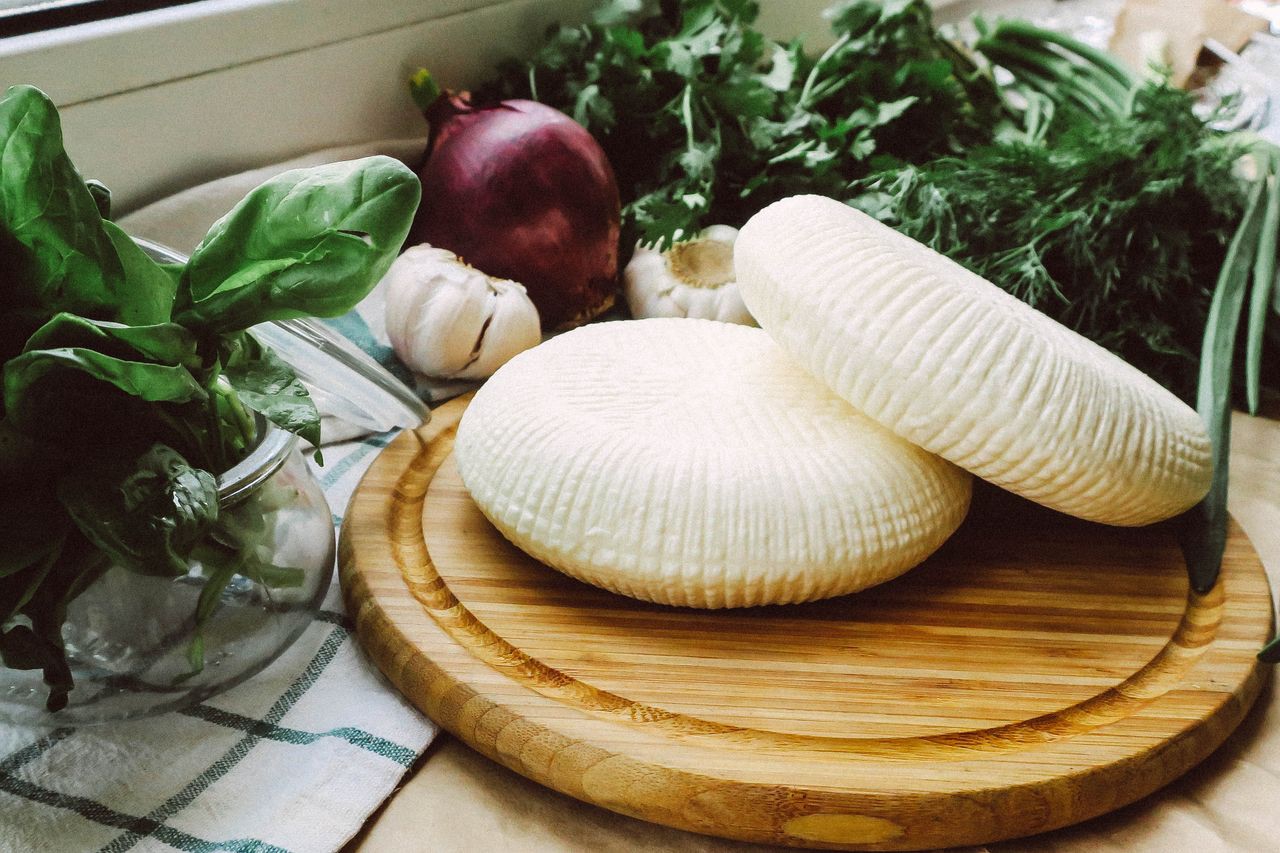
The best substitute for farmers cheese is drained whole-milk ricotta for sweet baking, or pressed cottage cheese for savory dishes like pierogi, since both match its mild, tangy, dry-curd texture once you get the extra moisture out.
I make pierogi and blintzes often enough that running out of farmers cheese is basically a recurring event in my kitchen. It’s never sitting right there on the shelf like cream cheese or sour cream is, so I’ve had to figure out what actually holds up in its place more times than I’d like to admit.
That’s the thing about farmers cheese. It’s a small, easy-to-miss tub tucked near the cream cheese, and most stores only carry a little of it. Below is everything I’ve actually tried, what worked, and what turned my filling into a soggy mess.
Key takeaways:
- Drained whole-milk ricotta is my go-to for sweet fillings like blintzes and cheese danish
- Pressed or dry-curd cottage cheese works best for savory dishes like pierogi
- Paneer is the pick if you need a firm, sliceable texture
- Blended firm tofu with lemon juice is the closest dairy-free option
- Making it yourself from milk and buttermilk is genuinely the closest match of all
Table of Contents
What farmers cheese actually is
Farmers cheese is a fresh, unaged cheese made by curdling milk, draining off the whey, and pressing the curds. The harder it’s pressed, the drier and firmer it gets, which is why some tubs are soft and crumbly while others slice cleanly like a block.
It’s mild, a little tangy, and it doesn’t melt, which is exactly why it holds its shape in a pierogi or a blintz instead of turning into a puddle. Think of it as cottage cheese with the moisture pressed out.
I get asked how it’s different from quark a lot, especially since I just covered quark substitutes here too. Quark is smooth and spoonable, more like a spreadable yogurt. Farmers cheese is drier and holds together, so it behaves completely differently once it hits a filling or a pan.
One more honest note: the demand for farmers cheese substitutes isn’t really tied to any one trend or shortage. It’s mostly just people hitting a recipe that calls for it and not being able to find it, though the whole high-protein cottage cheese wave lately has probably put more of these cultured, pressed cheeses on people’s radar.
The best farmers cheese substitutes, by what you’re making
| Substitute | Best for | Watch out for |
|---|---|---|
| Ricotta, drained | Blintzes, cheese danish, cheesecake | Undrained, it makes fillings weep |
| Cottage cheese, pressed | Pierogi, savory fillings, spreads | Must be pressed or drained first |
| Paneer | Firm, sliceable, pan-fried uses | Bland and firmer, needs seasoning |
| Tofu, blended | Dairy-free swaps | Needs lemon juice for any tang |
| Homemade | Anything | Takes about 30-45 minutes start to finish |
Drained ricotta for blintzes and sweet baking
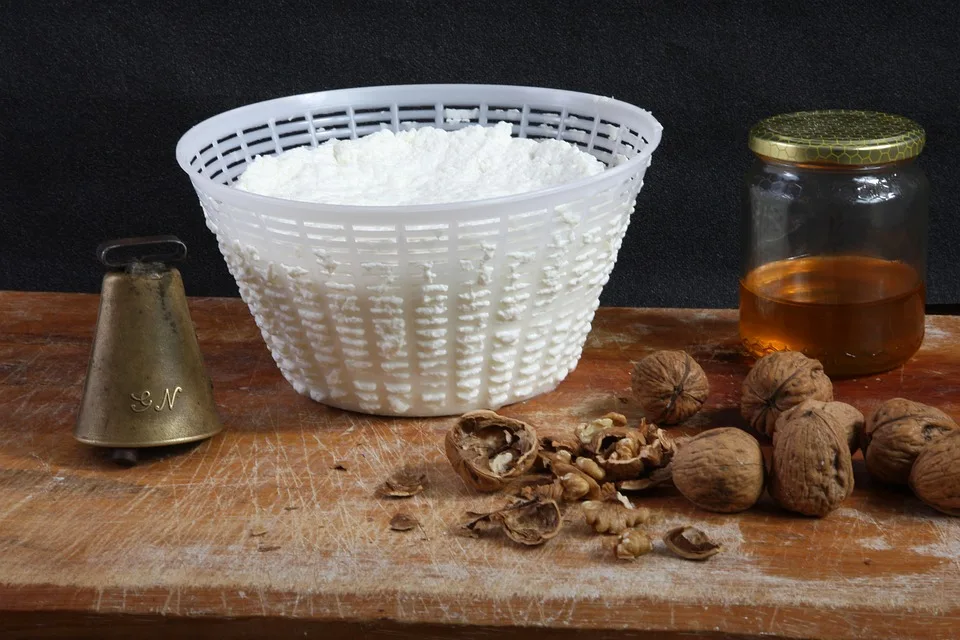
Ricotta is my first choice for anything sweet, like blintzes or a cheese danish filling. The flavor is close enough, and it takes on sugar and vanilla well.
The catch is moisture. Ricotta is wetter than farmers cheese, and the first time I skipped draining it, my blintz filling ran everywhere in the pan. Now I always let it sit in a cheesecloth-lined strainer for about 20 to 30 minutes first, and it holds together the way farmers cheese does.
I use Galbani’s whole milk ricotta for this specifically because whole milk versions are creamier and closer to farmers cheese than the part-skim kind, which tends to taste thinner.
Pressed cottage cheese for pierogi and savory dishes
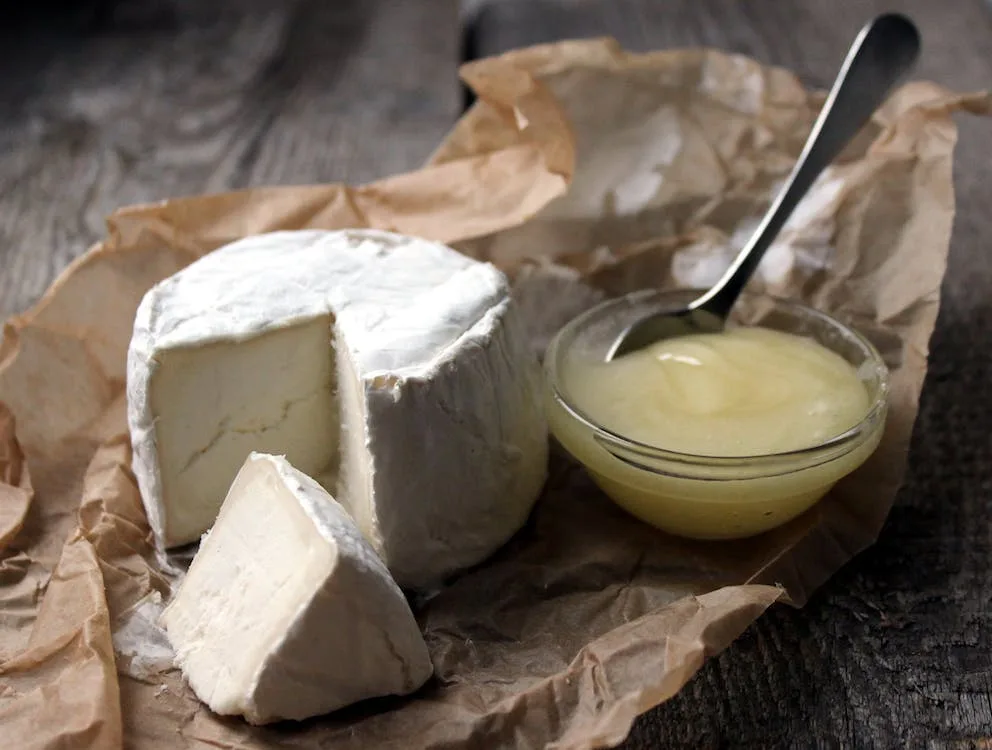
For pierogi, spreads, or anything savory, cottage cheese is the swap, but only once it’s pressed. Push small-curd cottage cheese through a fine-mesh strainer, or drain it in cheesecloth the same way you would ricotta.
Skip this step and you’ll know immediately, because the filling stays loose and won’t hold its shape once you fold the dough. I learned this one the hard way on a pierogi night and ended up with a pot of soup instead of dumplings.
This is basically the same texture problem I talk through in my Neufchatel cheese substitute guide for cheesecake fillings, so the fix carries over if you run into it there too.
If you want something with a bit more punch for a savory spread or crumbled over a salad, Cacique’s queso fresco is worth grabbing too. It’s saltier than farmers cheese, so I only reach for it when that extra saltiness actually works with the dish.
Paneer for a firm, sliceable texture
If you need something that holds a real shape, like a pan-fried slice or cubes that won’t fall apart, paneer is the one to reach for. It doesn’t melt or weep at all, so it stays exactly as firm as you cut it.
The tradeoff is flavor. Paneer is completely unsalted and firmer than farmers cheese, almost rubbery if you’re not used to it. I crumble it and mix in a little sour cream or milk to loosen it up before using it in anything that’s supposed to feel soft.
Blended tofu for a dairy-free swap
Firm tofu, pressed and blended smooth, is the best dairy-free stand-in I’ve found. On its own it tastes like nothing, so a good squeeze of lemon juice and a pinch of salt is doing all the work of mimicking farmers cheese’s tang.
It won’t fool anyone side by side with the real thing, but it holds together fine in a baked filling, which is really all you need from it.
Making it yourself
Honestly, this is the closest match I’ve gotten, and it’s not nearly as much work as it sounds. Heat a gallon of whole milk to about 175°F, stir in some lemon juice or a splash of vinegar until the curds separate, then strain it through cheesecloth.
You’ll get around 2 cups of fresh farmers cheese in under an hour, and you control exactly how dry and tangy it turns out. I only skip this when I genuinely don’t have the time, since store substitutes are faster even if they need a little more fixing.
What I noticed testing these side by side
- Ricotta is the one I go back and forth on. It’s the closest flavor match, but only if I actually take the time to drain it. Straight from the tub, it’s too wet
- Cottage cheese is a non-starter unblended or unpressed. Same fix as ricotta: press it or don’t bother, because the texture problem is real
- Paneer holds its shape better than anything else on this list, but I always have to season it up since it’s completely bland out of the package
- Queso fresco crumbles beautifully but runs salty. I only reach for it when I want that saltiness anyway, like over a savory dish, not in something sweet
My actual advice
If you’re baking something sweet, drain ricotta and use that. If you’re making pierogi or anything savory, press cottage cheese instead and don’t skip that step, since it’s the difference between a filling that holds and one that runs everywhere.
If you’ve got a little extra time, though, just make farmers cheese from scratch. It’s genuinely the closest thing to the real deal, and once you’ve done it once, you’ll probably keep doing it.
Frequently Asked Questions
What is the best substitute for farmers cheese?
Drained whole-milk ricotta for sweet dishes, or pressed cottage cheese for savory ones like pierogi. Both need the extra moisture removed first to behave like farmers cheese.
Can I use cottage cheese instead of farmers cheese?
Yes, but press it through a fine-mesh strainer or drain it in cheesecloth first. Skipping that step leaves it too loose to hold together in a filling.
Is farmers cheese the same as ricotta?
No. Ricotta is wetter and slightly sweeter, while farmers cheese is pressed and drier. They work well interchangeably once you drain the ricotta.
What’s a good dairy-free substitute for farmers cheese?
Blended firm tofu with a squeeze of lemon juice and a pinch of salt. Press the tofu first so it isn’t watery.
Is farmers cheese the same as quark?
No. Quark is smooth and spoonable, while farmers cheese is pressed and holds its shape, so they behave very differently in a recipe.

Cynthia Odenu-Odenu is the founder of Cyanne Eats. A registered nurse with a passion for food, she brings the same attention to detail from her professional life into the kitchen. From chain restaurant rankings to grocery finds and easy recipes, Cynthia covers it all and helps everyday food lovers eat better and spend smarter.