
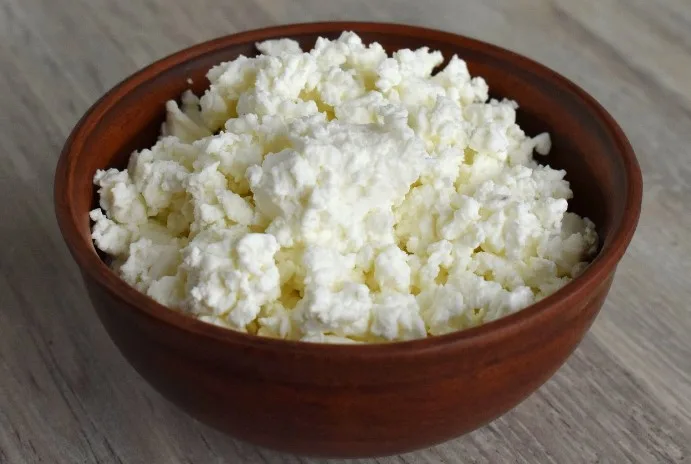
The best labneh cheese substitute is full-fat Greek yogurt strained for a few extra hours with a pinch of salt, which gets you so close to real labneh that most people cannot tell the difference.
The first time I made a Middle Eastern mezze spread, I went to three grocery stores looking for labneh and came up empty. What I did not realize at the time is that labneh is literally just strained yogurt. I had all the ingredients sitting in my fridge the whole time.
If you have a few hours and a piece of cheesecloth, making labneh at home is easier than finding a good substitute. But when you genuinely need a quick swap, these nine options work, and I have mapped each one to the dish you are actually making so you pick the right one.
Key Takeaways
- Strained Greek yogurt is the closest substitute and doubles as a way to make labneh at home
- Cream cheese matches labneh’s body and spreadability for flatbread and dips
- Sour cream works as a quick tangy dollop but is too thin to spread
- Mascarpone and ricotta are the right picks for sweet and dessert applications
- Fromage blanc, quark, and skyr are underrated swaps that most stores carry
- Making labneh at home takes only 2 ingredients and 24 hours of hands-off straining
- Rose water is a natural pairing in sweet labneh desserts, and the rose water substitute guide has you covered if you need that too
Table of Contents
What Is Labneh?
Labneh (also spelled labne, labni, or labaneh) is a strained yogurt cheese from the Levant, the region that includes Lebanon, Palestine, Syria, and Jordan. It has been part of daily eating in that part of the world for centuries and is one of the most versatile dairy ingredients in Middle Eastern cooking.
The texture lands between Greek yogurt and cream cheese. It is thick enough to spread, tangy from the cultured milk, and lightly salty. The classic presentation is a shallow pool on a plate, drizzled with good olive oil and dusted with za’atar, served alongside warm flatbread for breakfast or as part of a mezze spread.
It also appears as labneh balls, rolled in herbs and submerged in olive oil, as a sauce base alongside grilled meats, and in desserts drizzled with honey and cinnamon. Most US grocery stores do not carry it, but Middle Eastern markets and some Whole Foods locations stock it regularly.
Make It at Home First
Before reaching for a substitute, it is worth knowing that labneh is one of the easiest things to make at home. You need two ingredients and one piece of equipment.
What you need: Full-fat plain yogurt (whole-milk works best; avoid low-fat), half a teaspoon of salt per two cups of yogurt, and a piece of Grade 90 cheesecloth to strain it through. The cheesecloth linked here has over 12,900 ratings on Amazon and is the one I keep in my kitchen permanently.
The method: Stir the salt into the yogurt, spoon it into a cheesecloth-lined strainer set over a bowl, fold the cloth over the top, and refrigerate. After 12 hours you have a thick spreadable dip. After 24 to 48 hours you have proper labneh with a cream-cheese consistency, and after 48 to 72 hours it is firm enough to roll into balls.
The whey that drains out is liquid gold for bread baking and marinades, so do not throw it away.
9 Best Labneh Substitutes
1. Full-Fat Greek Yogurt (Strained)
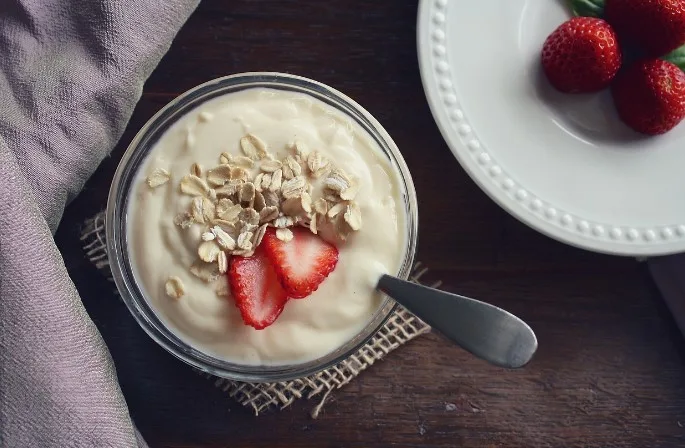
Greek yogurt and labneh start from the same place: cultured yogurt strained to remove whey. Labneh is just strained longer. If you strain whole-milk Greek yogurt with a pinch of salt for an extra 4 to 8 hours, you have something functionally identical to labneh.
Even unstrrained, full-fat Greek yogurt works as a quick substitute in most dishes. The texture is slightly looser and the tang is milder, but for dips, sauces, and toppings the difference is minor.
FAGE Total 5% Whole Milk Greek Yogurt 32oz is the brand I trust most for this application. The 5% fat version gives you the richness that labneh has, and it strains beautifully through cheesecloth.
Best for: Every labneh application: dips, spreads, za’atar plates, sauces, mezze boards
2. Cream Cheese
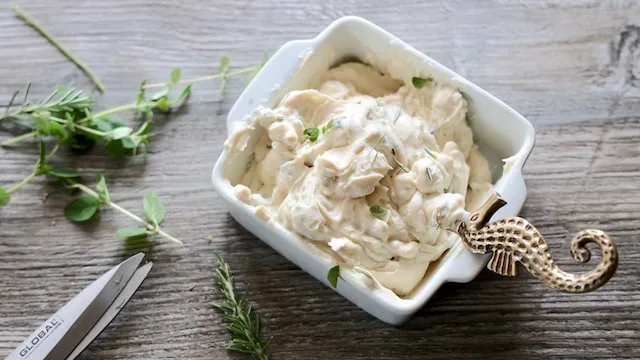
Cream cheese is the most practical quick substitute when you need labneh’s thick, spreadable texture right now with no prep time. It spreads cleanly onto flatbread, holds up on a mezze board, and works well in any recipe that calls for labneh as a base or dip.
The flavor is sweeter and richer than labneh with less tang. A squeeze of fresh lemon juice closes the gap significantly and brings it much closer to labneh’s brightness. Use about three-quarters of a cup for every cup of labneh the recipe calls for.
Philadelphia Cream Cheese 8oz is always in stock and is the most reliable option for a neutral flavor that does not compete with the other ingredients on the plate.
Best for: Flatbread spreads, mezze boards, dips, baking, cheesecake
3. Sour Cream
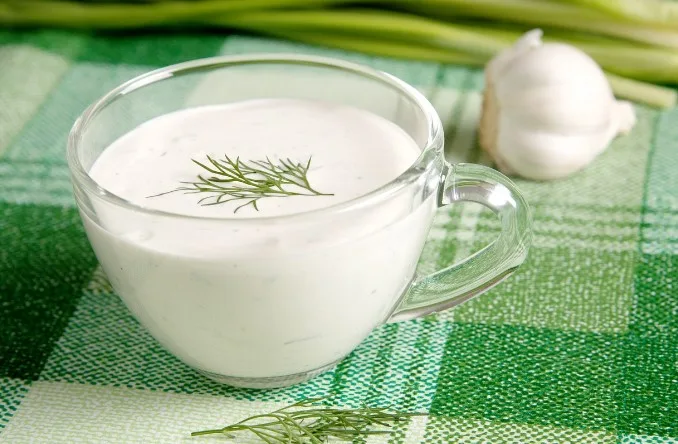
Sour cream matches labneh’s tangy, slightly acidic character better than cream cheese does. The tang is the main appeal here, and it makes sour cream the right call when labneh is being used as a drizzle or sauce rather than as a thick spread.
The limitation is texture. Sour cream is too thin to hold its shape as a spread or dip.
For grilled meat sauces, a tangy dollop on soup, or a loose topping for baked dishes, it works well. For flatbread or a mezze plate where the labneh needs to sit in place, it does not.
Best for: Sauces, soup toppings, grilled meat accompaniments, loose dressings
4. Mascarpone
Mascarpone is the right swap when labneh is heading somewhere sweet. It is a rich, buttery Italian cream cheese with almost no tang, which makes it a good base for honey and walnut desserts, sweet flatbreads, and any application where labneh’s sweetness is the point rather than its acidity.
For savory dishes, mascarpone falls short because it lacks the lactic brightness that makes labneh so interesting on a mezze plate. In sweet applications, though, it is genuinely luxurious and arguably an upgrade.
BelGioioso Mascarpone 8oz is confirmed in stock on Amazon and is one of the most trusted mascarpone brands in the US.
Best for: Sweet flatbreads, honey and walnut desserts, tiramisu, rich pasta sauces
5. Ricotta
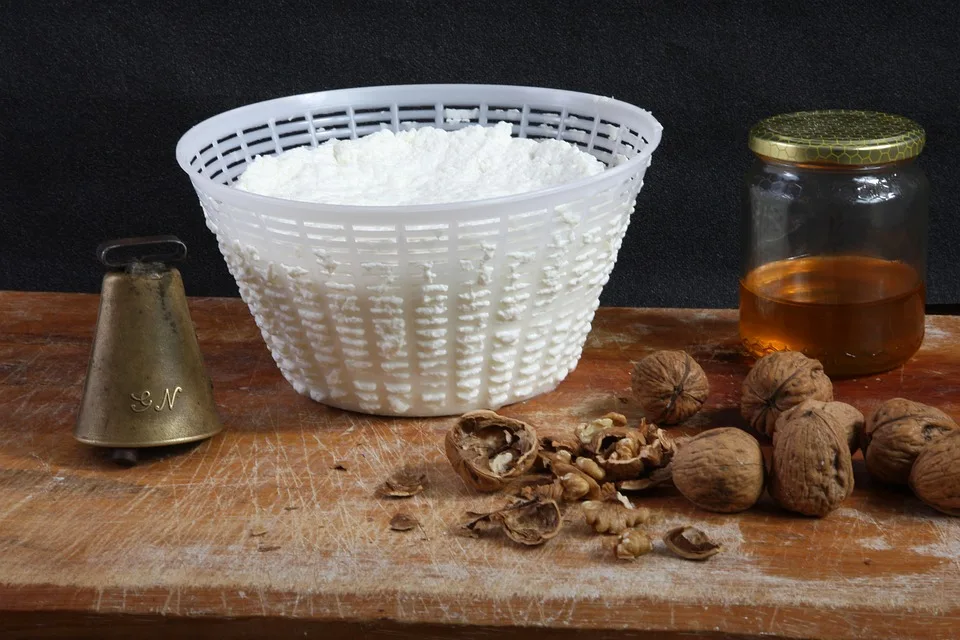
Whole-milk ricotta is a mild, slightly grainy, lightly sweet fresh cheese that works as a labneh substitute in cold dips, spreads, and sweet applications. It is thinner than labneh and has no significant tang, so a squeeze of lemon and a pinch of salt bring it closer.
Blend it smooth before using it as a spread or dip and the texture becomes more comparable to labneh. In baked dishes and desserts, it does not need any adjustment.
Galbani Whole Milk Ricotta 15oz consistently ranks in the top 5 in its category on Amazon. The whole-milk version is richer and closer to labneh’s body than low-fat ricotta.
Best for: Sweet dips, desserts, baked dishes, blended spreads
6. Fromage Blanc
Fromage blanc is a fresh French cow’s milk cheese with a smooth, spreadable texture and a mild tang that is closer to labneh than cream cheese. It is not as widely known in US grocery stores but Whole Foods and specialty cheese shops carry it regularly.
It works at a 1:1 ratio in most labneh applications and has a clean, slightly tangy, milky flavor that does not overpower other ingredients. It is one of the most underrated swaps on this list.
Best for: Dips, spreads, mezze boards, sauce bases
7. Quark
Quark is a fresh soft cheese common in Germany and Central Europe with a gentle tang and a smooth, thick texture. It is higher in protein than labneh and slightly milder in flavor, but the consistency is close enough to work well in spreads, dips, and baked applications.
A squeeze of lemon brightens the flavor and makes it read more Middle Eastern in character. It is increasingly available in US grocery stores, particularly in the European cheese section or natural foods aisle.
Best for: Dips, spreads, baking, breakfast bowls
8. Skyr
Skyr is an Icelandic strained dairy product that is technically closer to fresh cheese than yogurt, though it behaves like a very thick yogurt. The consistency is actually closer to labneh than Greek yogurt is, and the flavor has a clean, slightly sour quality.
Strain it briefly for an even thicker result that mimics labneh’s spreadable texture. It is high in protein and lower in fat than labneh, which makes it a lighter swap.
Best for: Spreads, dips, mezze boards, breakfast bowls, anywhere Greek yogurt would work
9. Kefir Cheese (Strained Kefir)
Kefir cheese is made by straining liquid kefir through cheesecloth the same way labneh is made from yogurt. The result is a tangy, probiotic-rich soft cheese with a flavor that is slightly more fermented and acidic than labneh.
It is genuinely excellent in its own right. If you have liquid kefir in the fridge, strain it overnight and you have something very close to labneh in texture and tang. The flavor is bolder, so start with a smaller amount and taste as you go.
Best for: Dips, spreads, tangy sauce bases, anywhere labneh’s tartness is the point
How to Serve Labneh (or Its Substitute)
The classic labneh plate is simple and hard to improve on. Spread it into a shallow bowl, make a well in the center with the back of a spoon, and fill that well with a generous pour of good olive oil.
Partanna Extra Virgin Olive Oil 1L tin is family-produced in Trapani, Sicily and has a clean, grassy, robust flavor that plays beautifully against labneh’s tang. A tin lasts well and is one of those pantry staples worth buying properly.
Dust the top with Z&Z Authentic Palestinian Za’atar and serve with warm pita or flatbread. Za’atar is the dried herb and sesame seed blend that is as essential to a labneh plate as the cheese itself, and Z&Z uses wild thyme, sumac, and toasted sesame with no fillers.
Storing Labneh and Its Substitutes
Homemade labneh keeps in an airtight container in the fridge for up to two weeks if you pour a thin layer of olive oil over the surface. The oil acts as a seal and keeps the top from drying out.
For store-bought labneh or any of the fresh cheese substitutes, Formaticum cheese storage bags keep the surface fresh far longer than plastic wrap. The breathable French paper maintains the right humidity without trapping the off-flavors that plastic creates.
Labneh balls submerged in olive oil in a sealed jar keep for weeks and make a beautiful pantry staple. They are worth making even if you never run out of fresh labneh.
Frequently Asked Questions
What is the best substitute for labneh?
Full-fat Greek yogurt strained for a few extra hours is the closest substitute. If you have 24 hours of lead time, straining full-fat plain yogurt through cheesecloth with a pinch of salt gives you actual labneh.
Is labneh the same as Greek yogurt?
No, but they are closely related. Both start from cultured yogurt strained to remove whey.
Labneh is strained much longer, which makes it thicker, denser, and more concentrated in tang and protein. Greek yogurt is the starting point; labneh is where it ends up after more time.
Can I use cream cheese instead of labneh?
Yes. Cream cheese matches labneh’s thickness and spreadability well. The flavor is sweeter and richer with less tang, so adding a squeeze of fresh lemon juice brings it closer to labneh’s bright, acidic character.
What does labneh taste like?
Labneh tastes tangy, creamy, and lightly salty. The flavor is similar to a thick, concentrated yogurt with a clean lactic brightness. It is richer and more complex than Greek yogurt and tangier and lighter than cream cheese.
How do you make labneh at home?
Stir half a teaspoon of salt into two cups of full-fat plain yogurt, spoon it into a cheesecloth-lined strainer set over a bowl, and refrigerate for 24 to 48 hours. Twelve hours gives you a thick dip, 24 to 48 hours gives you a cream-cheese consistency, and 48 to 72 hours gives you a cheese firm enough to roll into balls.

Cynthia Odenu-Odenu is the founder of Cyanne Eats. A registered nurse with a passion for food, she brings the same attention to detail from her professional life into the kitchen. From chain restaurant rankings to grocery finds and easy recipes, Cynthia covers it all and helps everyday food lovers eat better and spend smarter.