Homemade beats store bought on taste and ingredients for most everyday grocery staples, but it only pays off when you pick the right items to make yourself.
That’s the short version. The longer version is that not every homemade swap is actually worth the trouble, and I’ve wasted plenty of weekend mornings chasing ones that weren’t. These five are the ones where the difference stopped being close for me.
I used to toss the same staples in my cart every week without really looking at them. Then one trip I actually read a label while I was standing in the checkout line, and it changed how I shop for good. It wasn’t one big realization so much as five smaller ones, spread out over a couple of years of paying closer attention.
Below are the five foods I stopped buying, why each one lost me as a customer, and exactly what I make instead. A couple of these took one try to convert me completely. One took a few failed attempts before I got it right.
Table of Contents
Key Takeaways
- I stopped buying sandwich bread over the preservatives and the fact that it still went stale fast anyway.
- Bottled salad dressing lost me on texture and ingredient lists, not just price.
- Store granola was costing more per serving than it should for basically oats, honey, and nuts.
- Store-bought hummus tastes noticeably fresher homemade, and it takes less effort than people assume.
- Taco seasoning packets are mostly filler and sodium for a spice mix I already had in my pantry.
- None of these require special equipment, just a little extra time and a full spice rack.
5 Foods I Stopped Buying
Every one of these started as a habit, not a decision. Below is what finally broke each habit, roughly in the order it happened for me.
| Store-Bought Item | What I Make Instead | The Dealbreaker |
|---|---|---|
| Sandwich bread | No-knead loaf | Preservatives, and it still went stale in a few days |
| Bottled salad dressing | Basic vinaigrette | The gummy texture bugged me every single time |
| Store granola | Sheet pan granola | Small bag, big price, more sugar than I expected |
| Store-bought hummus | Blender hummus | A long ingredient list for something that’s mostly chickpeas |
| Taco seasoning packets | Homemade spice blend | Sodium and filler for a five-spice mix I already owned |
1. Sandwich Bread
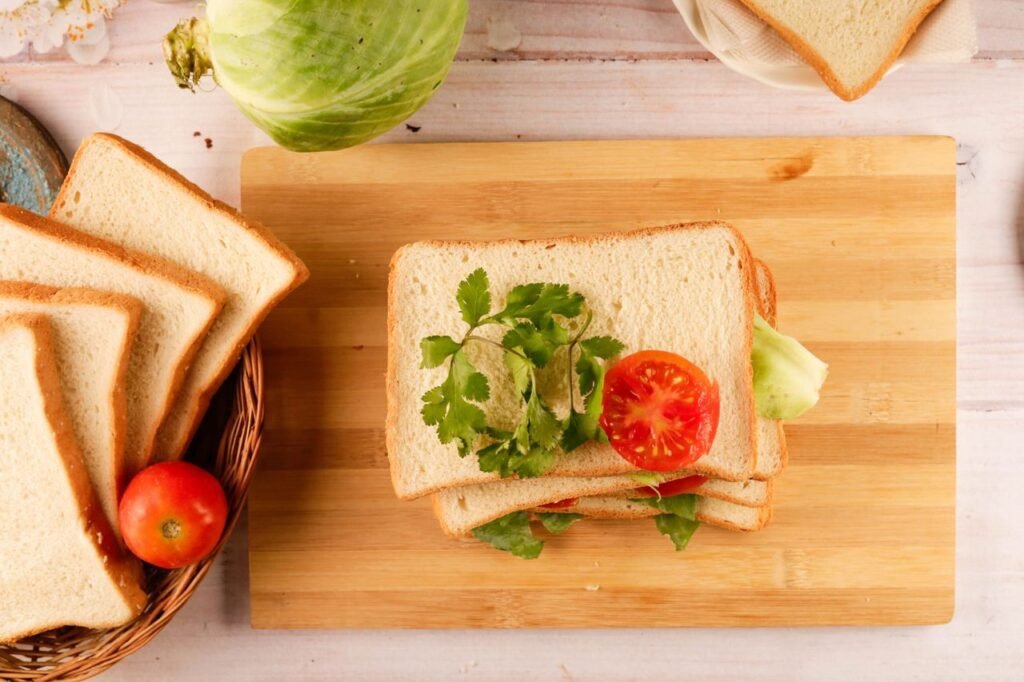
I picked up a loaf one week and actually read the ingredient list while I was waiting for the rest of my order to ring up. Past flour, water, yeast, and salt, there was a preservative I didn’t recognize, the kind bakeries use to keep mold from creeping in and stretch shelf life. It’s a completely normal, widely used ingredient called calcium propionate, and it does its job.
The part that actually bugged me came next. Even with that preservative doing its job, my loaf still went stale or fuzzy within a week most of the time. I was paying extra for shelf stability I wasn’t even getting the full benefit of, and that’s what pushed me toward baking my own.
Homemade bread vs store bought bread comes down to a short list of real ingredients instead of a long one. My go-to now is a simple no-knead loaf that mostly takes patience, not skill. I mix flour, water, yeast, and salt the night before, let it sit, and bake it the next day in a covered Dutch oven.
It’s not dramatically cheaper the way some people expect. The real win is a shorter ingredient list and a loaf that tastes like something, not padded shelf life I don’t need. If you want to try the same starting point I use, a solid all-purpose or bread flour and instant yeast are the only two things worth buying specifically for this.
2. Bottled Salad Dressing
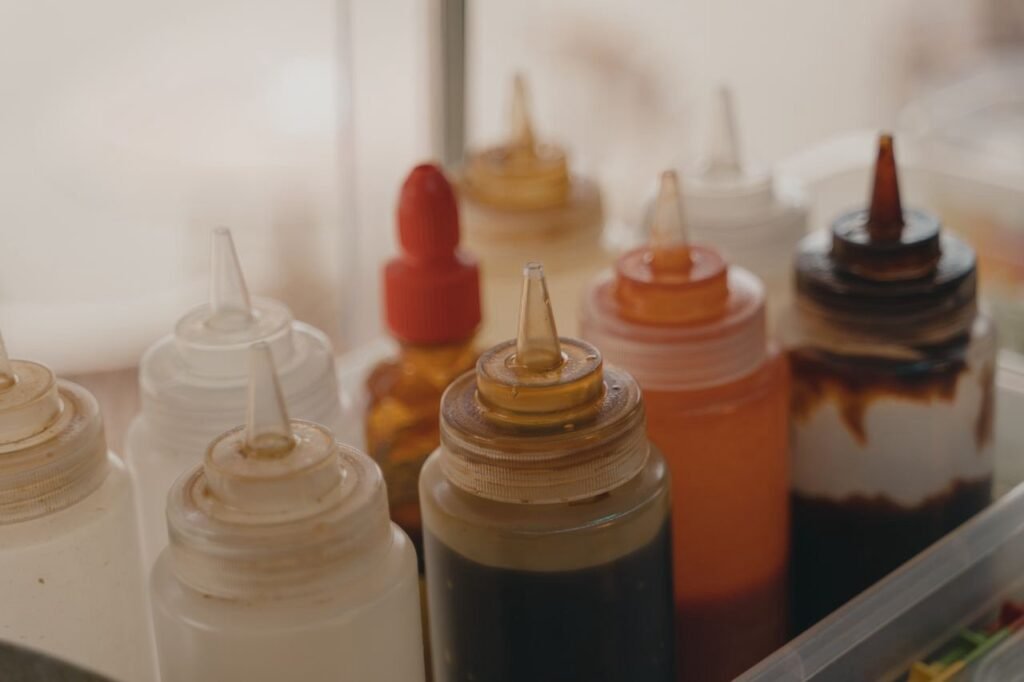
Bottled dressing always had this thick, slightly gummy texture that never fully went away no matter how hard I shook the bottle. I finally figured out it’s the stabilizers and gums a lot of brands add to keep the oil and other ingredients from separating on the shelf. Once I noticed it, I couldn’t stop noticing it.
My basic vinaigrette now runs about three parts oil to one part acid, whisked with a spoonful of mustard so it actually holds together. I keep a bottle of extra virgin olive oil just for this, since a cheaper oil can turn the whole dressing bitter. For the acid, I reach for red wine vinegar more than anything else in my pantry.
A spoonful of Dijon mustard is what actually keeps the oil and vinegar from separating in the jar. I make a full batch, pour it into a wide mouth mason jar, and shake it right before I use it. It keeps in the fridge for a week or two without any issue.
A little honey rounds out the sharper vinegars when a dressing needs it, especially for anything with citrus in it. This is the same style of dressing I use on my cowboy caviar, and honestly it’s the whole reason that recipe tastes as fresh as it does.
The first few batches were too sharp because I eyeballed the vinegar instead of measuring it. Once I actually stuck to a ratio, it stopped being a gamble every time.
3. Store Granola
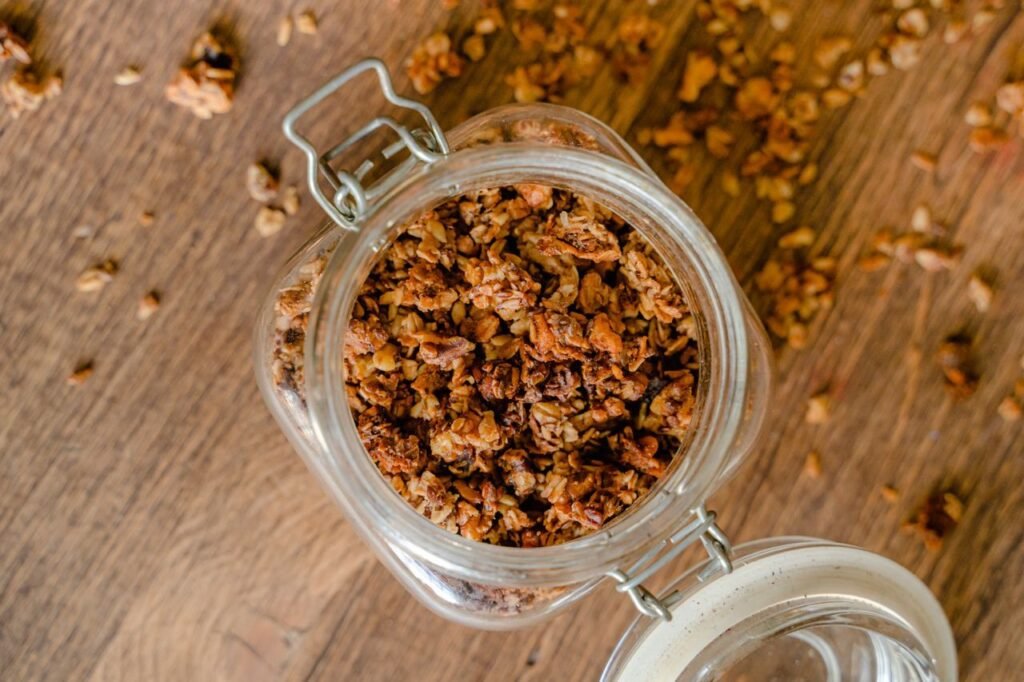
A small bag of granola kept running me close to what I’d pay for a much bigger container of the ingredients themselves. Oats, honey, oil, and nuts are not expensive on their own, so paying that much per serving for the finished product never sat right with me. Once I started reading the sugar content on the label too, that sealed it.
Sheet pan granola is one of the easiest things I make, full stop. I toss oats with oil and honey, then spread it thin on a half sheet pan so it bakes evenly instead of steaming in a pile. Lining the pan with parchment paper first is the one step I never skip, since it’s what lets the granola clump into actual clusters instead of scattering into loose oats.
A splash of Nature Nate’s Raw Honey is my go-to sweetener since it’s the only ingredient doing the sweetening job.
Mix-ins I actually reach for:
- Chopped pecans or almonds
- A pinch of cinnamon before baking
- Dried fruit added after it cools, never before
I store the finished batch in an airtight glass container so it stays crisp instead of going soft in a bag. This is one of the swaps I mention in my post on breakfast combos that keep blood sugar stable, since homemade granola lets you control exactly how much sugar goes in.
4. Store-Bought Hummus
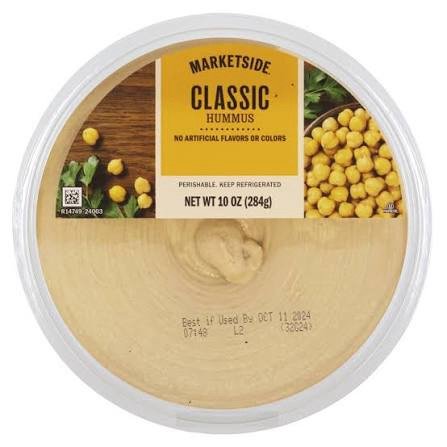
A small tub of hummus at the store never felt cheap for what’s fundamentally canned chickpeas, tahini, lemon, and garlic. When I finally compared the ingredient list on a few tubs side by side, most of them had citric acid or potassium sorbate added to keep the texture and shelf life stable in the fridge case. None of that is dangerous, it’s just not something a fresh batch needs.
Blender hummus takes less time than driving to the store for it. I blend chickpeas, tahini, lemon juice, and a couple of cloves of garlic I crush with a garlic press so I don’t get stray chunks in the final texture. Then I stream in a good olive oil while the blender runs, and the texture comes out looser and creamier than most of the store versions I used to buy.
The first time I made it, I skipped peeling the chickpeas and it came out grainier than I wanted. Peeling them takes an extra five minutes and it’s the difference between good and great here. It’s still one of the dips I keep in the fridge for my snack box ideas rotation.
5. Taco Seasoning Packets
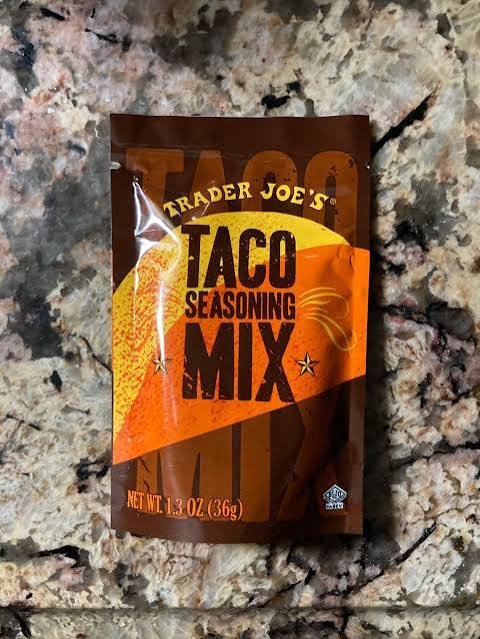
I used to buy a little foil packet every time I made tacos, which meant buying the same handful of spices over and over in a slightly more expensive, more processed form. Reading the ingredients on one packet, I found fillers like cornstarch and an anti-caking agent doing a lot of the volume, plus a noticeable amount of sodium for something that’s supposed to be mostly chili powder and cumin. I already owned every one of those spices individually.
My homemade version is just this, mixed and stored in a jar:
- Chili powder
- Ground cumin
- Garlic powder
- Smoked paprika
- Salt and black pepper
- A pinch of cayenne if I want it spicier
I keep the mix in one of the small containers from an OXO Good Grips POP container set right next to my other spices, so it’s ready before the pan is even hot. I go into more of the exact ratios I lean on in my post on spice combinations that transform cheap ingredients, taco seasoning included. Once I started mixing my own, I genuinely forgot the foil packets existed.
Where I Still Buy the Convenience Version
I’m not going to pretend I make everything from scratch, because I don’t. Tortillas, cheese, and canned beans stay firmly on my grocery list, and I have zero interest in changing that. The five swaps above earned their spot because the homemade version was either noticeably better, noticeably cheaper, or both.
If a swap doesn’t clear at least one of those two bars for me, it’s not worth the extra step. That’s really the test I’d suggest for anyone thinking about doing the same thing. Pick the items where the store-bought version is actually letting you down, not just the ones that sound impressive to make from scratch.
Frequently Asked Questions
Is it actually cheaper to make your own bread?
It’s somewhat cheaper, but the bigger win is a shorter ingredient list and fresher taste rather than dramatic savings. The real cost difference depends on what kind of bread you’re comparing it to.
Is homemade salad dressing healthier than store bought?
Generally yes, since you control the oil quality, sugar, and sodium instead of relying on a bottled formula. Most homemade vinaigrettes also skip the stabilizers that give bottled dressing its thicker texture.
Does homemade granola actually save money?
Usually, since the raw ingredients cost less per serving than a branded bag. The bigger benefit for most people is controlling exactly how much sugar and oil goes into it.
Is store-bought hummus bad for you?
Not bad, just more processed than it needs to be, since many brands add preservatives like citric acid or potassium sorbate for shelf stability. A fresh batch skips those without changing the core ingredients.
How long does homemade taco seasoning last?
Stored in an airtight container in a cool, dark spot, a homemade spice blend stays good for several months. It will slowly lose potency over time the same way any ground spice does.

Cynthia Odenu-Odenu is the founder of Cyanne Eats. A registered nurse with a passion for food, she brings the same attention to detail from her professional life into the kitchen. From chain restaurant rankings to grocery finds and easy recipes, Cynthia covers it all and helps everyday food lovers eat better and spend smarter.