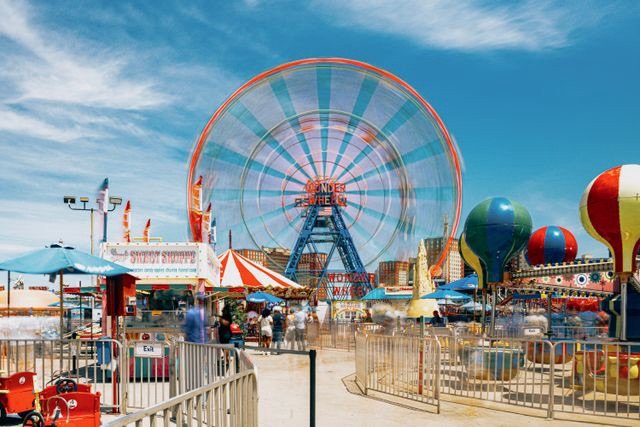
Classic state fair foods are corn dogs, funnel cake, deep-fried Oreos, turkey legs, fried cheese curds, elephant ears, kettle corn, lemon shake-ups, cotton candy, and butter-soaked corn on the cob, the same ten that show up at nearly every state and county fair in the country.
Every fair has its own weird regional specialty, something involving bacon or an entire stick of butter on a stick. But the foods above are the ones you’ll find no matter which fair you walk into, the ones people wait twenty minutes in line for and then eat standing up because sitting down means it gets cold.
My family drove two hours every August just for fair day, and I can still tell you which booth had the best turkey legs and which one always ran out of cheese curds by 3pm. I’ve spent the last few years recreating all of it in my own kitchen, mostly because waiting a full year between corn dogs got old.
Below are the ten I make most, along with the actual mistakes I made getting each one right. A few of these take twenty minutes. None of them need a fryer trailer or a fairgrounds permit.
Table of Contents
Key Takeaways
- Corn dogs, funnel cake, and deep-fried Oreos all live or die on oil temperature, somewhere around 365 to 375°F is the difference between crispy and greasy.
- Turkey legs taste like ham because they’re wet-cured and smoked the same way a city ham is, not because anyone’s swapping in pork.
- Fresh cheese curds squeak from their protein structure, and that squeak fades within a day or two of being made.
- Elephant ears are yeasted bread dough, funnel cake is a poured batter with no yeast, so they’re not actually the same food.
- Cotton candy is the one item on this list that genuinely doesn’t scale down to a home kitchen.
- Some of these, like lemon shake-ups, need almost no equipment at all.
Quick Reference: Which Fair Food Fits Your Craving
| Food | Sweet or Savory | Deep Frying Required? | Ready In |
|---|---|---|---|
| Corn Dogs | Savory | Yes | 20 minutes |
| Funnel Cake | Sweet | Yes | 15 minutes |
| Deep-Fried Oreos | Sweet | Yes | 20 minutes |
| Turkey Legs | Savory | No, smoked or grilled | 3 to 4 hours |
| Fried Cheese Curds | Savory | Optional, air fryer works | 15 minutes |
| Elephant Ears | Sweet | Yes | 30 minutes, plus dough rest |
| Kettle Corn | Sweet | No | 10 minutes |
| Lemon Shake-Ups | Drink | No | 5 minutes |
| Cotton Candy | Sweet | Can’t make at home | N/A |
| Corn on the Cob | Savory | No | 10 minutes |
10 Classic State Fair Foods You Can Make at Home
These are the ten fair classics I go back to every summer, in the order I’d actually eat them at a fair. Each one includes the mistake that taught me how to fix it.
1. Corn Dogs (Corny Dogs)
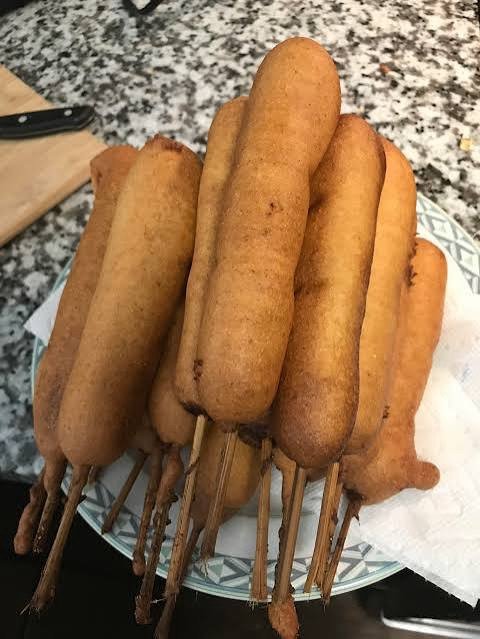
Corn dogs got their start at the State Fair of Texas in 1942. Neil and Carl Fletcher came up with the idea after watching a Dallas vendor coat hot dogs in cornmeal batter using a mold that took 25 minutes per dog. The Fletcher brothers put the hot dog on a stick instead, dropped it straight into hot oil, and spent another twelve years getting the batter exactly right.
The first time I tried making these, every batter coating slid right off the hot dog and left me with a naked, sad wiener floating in oil. A wet hot dog is too slick for batter to grip, so now I pat mine completely dry and dust them in flour before dipping. That one extra step is the difference between a corn dog and a corn dog disaster.
I skewer mine on 6-inch bamboo skewers before dipping, since a real stick makes it feel like the fair instead of a weird fritter. Once they’re fried, I let them rest on a wire cooling rack instead of paper towels, which keeps the bottom from steaming and turning soft.
2. Funnel Cake
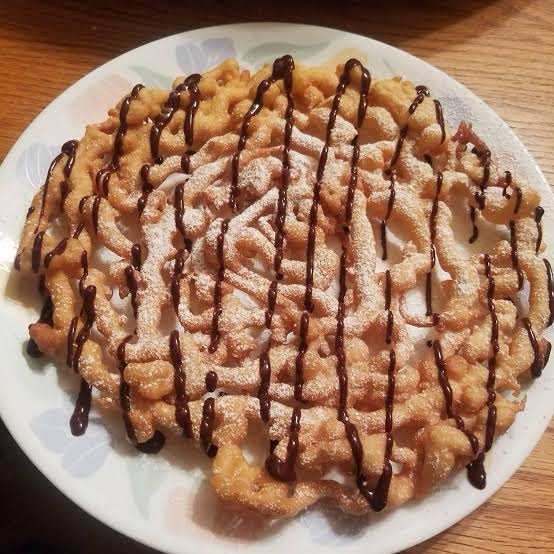
Funnel cake has surprisingly old roots. Some of the earliest versions show up in medieval Anglo-Norman cooking manuscripts, and German immigrants brought a similar fried dough to Pennsylvania in the 1700s. It didn’t hit its modern form until the 1950 Kutztown Folk Festival, where a woman named Emma Miller sold her family recipe for a quarter, and it landed at the Texas State Fair around the same era, in 1947.
The trick is temperature, plain and simple. If your oil dips below about 365°F, the batter soaks up grease instead of crisping, and you get something closer to a sad pancake than a funnel cake. I fry mine in a cast iron skillet because it holds heat steadier than a thin nonstick pan, and I actually clip a deep-fry thermometer to the side so I’m not guessing.
I pour the batter in a slow spiral with a squeeze bottle instead of a real funnel, since a funnel clogs the second the batter gets any thicker than pancake batter. Powdered sugar goes on the second it comes out of the oil, while it’s still hot enough to stick.
3. Deep-Fried Oreos
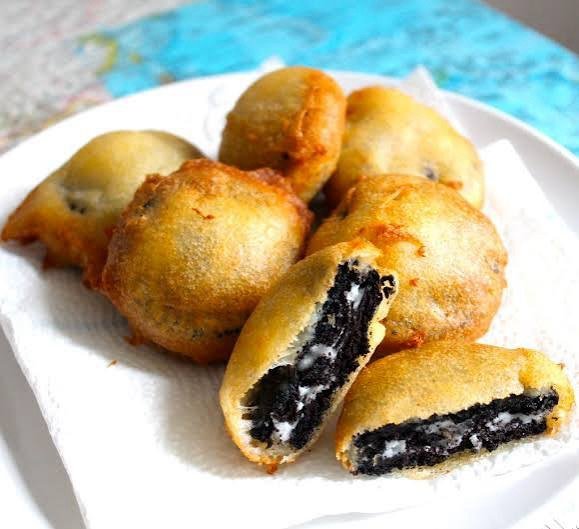
Most of the credit for deep-fried Oreos goes to Charlie Boghosian, known as Chicken Charlie, who started selling them at the LA County Fair in 2001 when he was 16. He dipped Oreos in pancake batter, fried them, then hit them with chocolate syrup and powdered sugar. A couple of other vendors have claimed they got there first, so depending on who you ask, the real inventor changes.
These go soggy fast if you’re not careful. Oil under 375°F is the main culprit, since the batter absorbs oil instead of crisping. Overcrowding the pot does the same thing because it drops the oil temperature, so I fry only four or five at a time now.
I chill the Oreos on a sheet of parchment paper for about 15 minutes before dipping, which keeps the cookie from turning to mush in the batter. I never let them sit in the batter bowl either. Straight from batter to oil is the move.
4. Turkey Legs
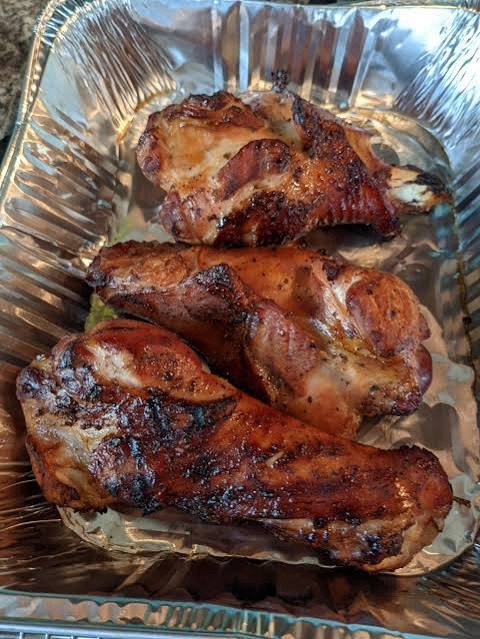
Fair turkey legs are big on purpose. Vendors go out of their way to buy roughly two-pound legs because the giant, caveman-style presentation is half the appeal. The pink color and ham-like taste come from the same wet-curing process used on a city ham, a saltwater brine and a stretch of smoking, not because anyone’s secretly serving pork.
I make mine on the grill now, brining the legs overnight in a basic salt and brown sugar solution before smoking them low and slow. If you’ve never set up a grill for something like this, my budget grilling guide covers the basic setup I use for most cookouts, turkey legs included.
The one tool I won’t skip is an instant-read thermometer, since turkey dries out fast once it passes 165°F internally. I pull mine at 160°F and let it rest, and the carryover heat finishes the job without drying anything out.
5. Fried Cheese Curds
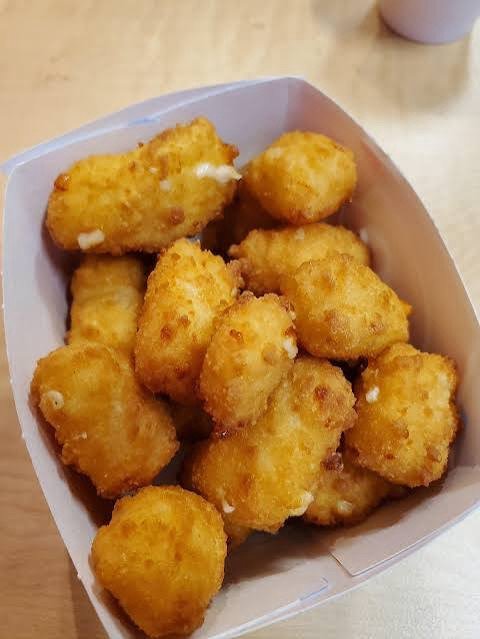
Fresh cheese curds squeak because of how tightly the proteins are packed, and that squeak rubs against your teeth when you bite down. It fades within a couple of days of the curds being made, which is why the squeakiest curds always seem to show up at fairs near dairy country.
I batter mine in a light beer batter, same as most fair vendors, but I don’t always deep fry them anymore. My air fryer gets them almost as crispy with a lot less mess, though the coating doesn’t get quite as craggy as a true deep fry.
If you already lean on yours for more than curds, I’ve got a whole list of air fryer tricks worth trying. Either way, the curds need to go into the batter cold, or the cheese melts out before the coating sets.
6. Elephant Ears
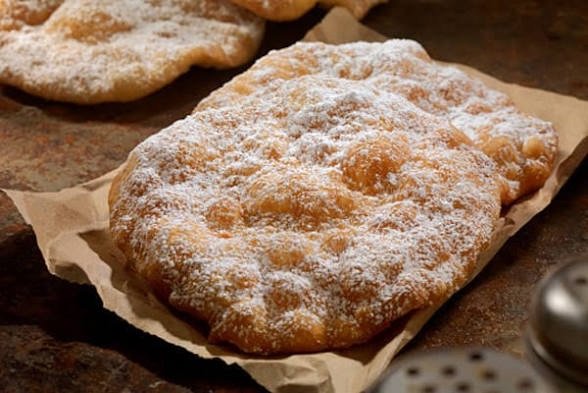
Elephant ears get confused with funnel cake constantly, but they’re a different food. Funnel cake is a poured batter with no yeast, while elephant ears start as an actual yeasted bread dough that gets stretched thin and fried flat. That’s also why elephant ears get cinnamon and sugar instead of the powdered sugar mountain on a funnel cake.
The dough needs to rest before you stretch it, or it fights you the whole way and snaps back into a small circle. I roll mine with a French rolling pin, since the tapered ends make it easier to get an even, thin oval instead of a lumpy one.
Once it hits the oil, it puffs up fast, so I only fry one at a time. Cinnamon sugar goes on immediately, while the surface is still hot enough for it to actually stick.
7. Kettle Corn
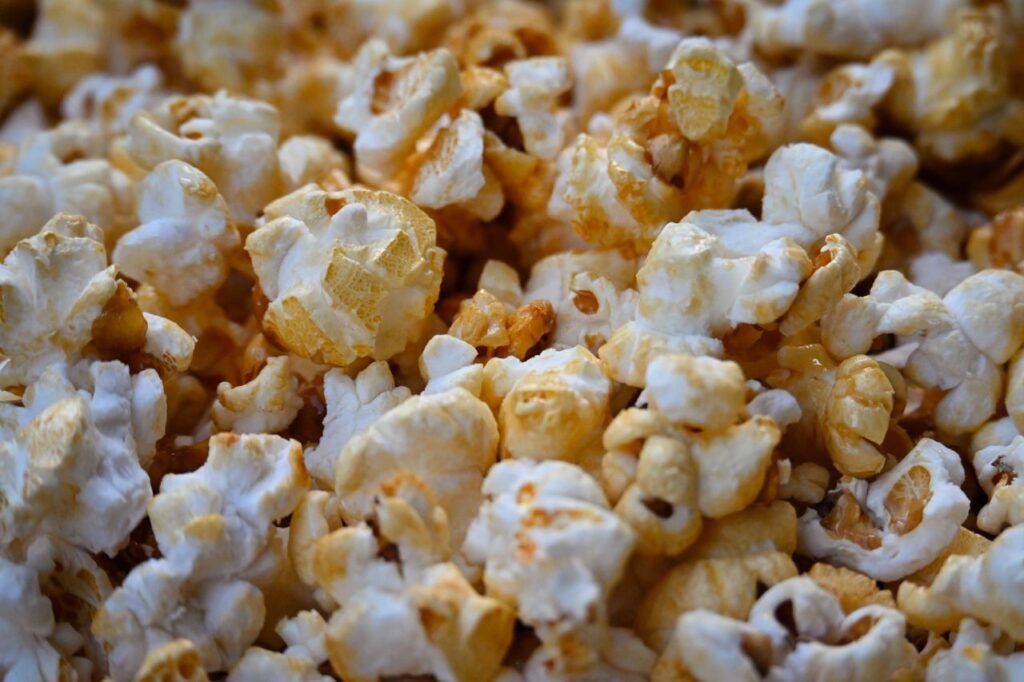
Kettle corn looks simple until you burn your first batch, and I burned more than one figuring this out. Sugar caramelizes fast, so if you add it before the kernels start popping, it scorches before the popcorn’s ready. I wait until I hear the first few pops, then add the sugar and stir constantly so it doesn’t clump on the bottom.
Medium heat matters more than people think. I used to crank the burner to speed things up, and all that did was turn my sugar into a burnt, bitter mess before the corn finished popping.
The second it’s done, I dump it straight into a big bowl. Leaving it in the hot stockpot for even another minute keeps cooking the sugar and can burn the batch you just saved.
8. Lemon Shake-Ups
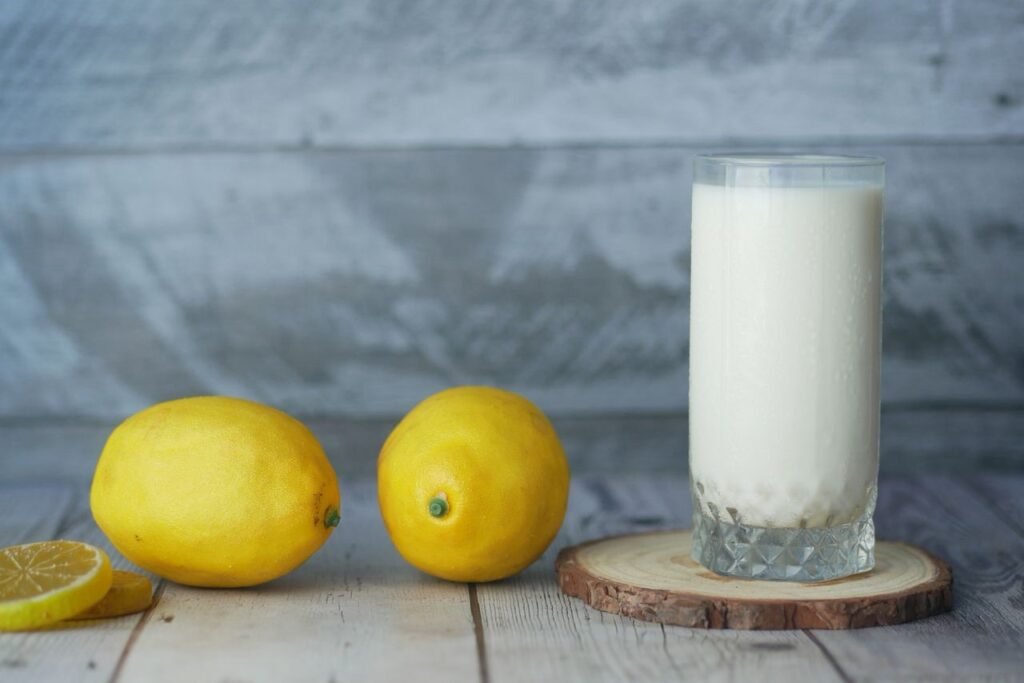
Lemon shake-ups are a Midwest fair staple that traces back to Indiana, though nobody’s entirely sure who started shaking lemonade instead of stirring it. The method really is the whole point. You muddle chopped lemon with sugar first, then add ice and water and shake the entire thing by hand.
I make mine in a wide-mouth mason jar, which is basically the same idea as the plastic cups fair vendors use. I squeeze the lemons first with a handheld citrus squeezer instead of chopping them whole, since I like less pulp than the traditional version has.
If you’re curious how this differs from regular lemonade, I actually wrote a whole breakdown of lemonade versus limeade that gets into it. The short version: the shake replaces stirring and leaves tiny bits of lemon rind throughout, which is what makes it taste like the fair instead of a pitcher from home.
9. Cotton Candy
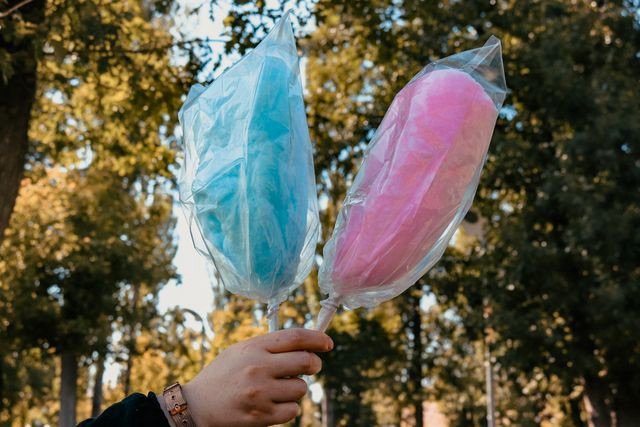
Cotton candy is the one food on this list I’ve genuinely given up trying to recreate. It needs a spinning machine that melts sugar and flings it through tiny holes, and there’s no real stovetop version that gets you the same spun texture.
I’ve tried the microwave hacks and the hard candy shortcuts, and none of them come close. If you want real cotton candy, buying a bag at the grocery store is a better use of your time than trying to make it from scratch.
10. Butter-Soaked Corn on the Cob
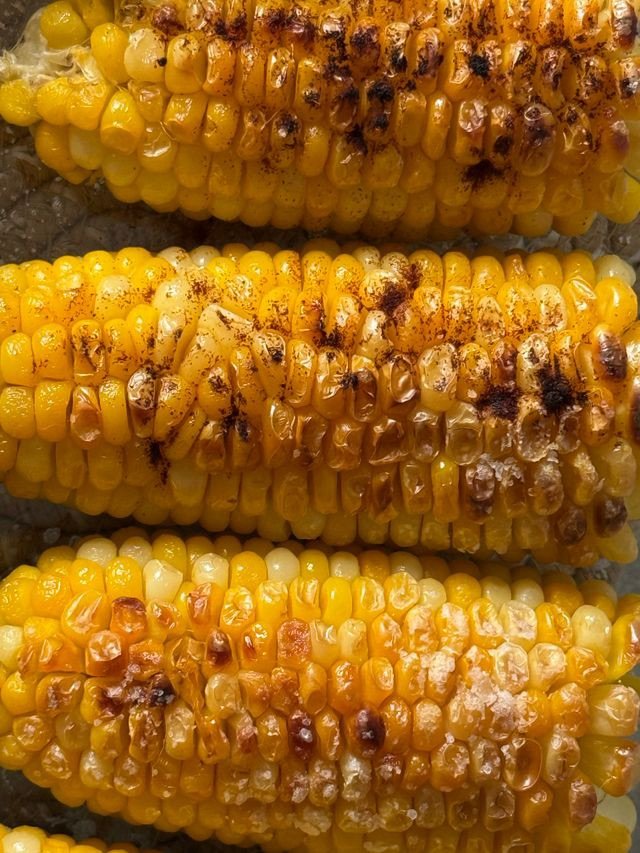
Fair corn on the cob usually gets dunked straight into a tub of melted butter, which coats it a lot more evenly than trying to spread cold butter with a knife. Some fairs roast it in the husk over coals first, which adds a char you don’t get from boiling.
I boil mine for about 6 minutes, then roll each ear through a shallow pan of melted unsalted butter instead of the tub method, since a pan is easier to manage in a normal kitchen. I use tongs to turn it so I’m not handling hot corn with my bare hands.
If you’d rather turn your leftover corn into something else entirely, my creamed corn recipe uses the same kind of sweet corn and takes about 30 minutes.
Why I Keep Making These Anyway
None of these taste exactly like the version from a trailer with a deep fryer bolted to the side, and that’s fine by me. What I get instead is fair food whenever I actually want it, not just the one week a year my state fair rolls through town.
The oil-temperature lesson keeps showing up no matter which recipe I’m making. A cheap thermometer will save you more fried food than any other trick on this list.
Start with whichever one you miss the most. For me, that’s still the corn dog.
Common Questions About State Fair Foods
What are the best state fair foods?
Corn dogs, funnel cake, turkey legs, and fried cheese curds are usually the first things people go looking for. The “best” one really comes down to whether you want something sweet or something fried and savory.
Why does fair food taste different than food made at home?
Fair vendors fry in oil that’s already hot and stays hot from constant use, which most home stoves can’t replicate without a thermometer to check it.
Can you make deep-fried state fair food without a deep fryer?
Yes, a heavy pot or cast iron skillet with a few inches of oil works fine. You just need a thermometer to keep the temperature steady.
What’s the difference between funnel cake and elephant ears?
Funnel cake is a poured, yeast-free batter fried into a lacy pile. Elephant ears are yeasted dough stretched thin and fried flat.
Is state fair food unhealthy?
Most of it is fried and sugary, so it’s really an occasional treat rather than something to eat often. Making it at home at least lets you control the oil and the portion size.

Cynthia Odenu-Odenu is the founder of Cyanne Eats. A registered nurse with a passion for food, she brings the same attention to detail from her professional life into the kitchen. From chain restaurant rankings to grocery finds and easy recipes, Cynthia covers it all and helps everyday food lovers eat better and spend smarter.