
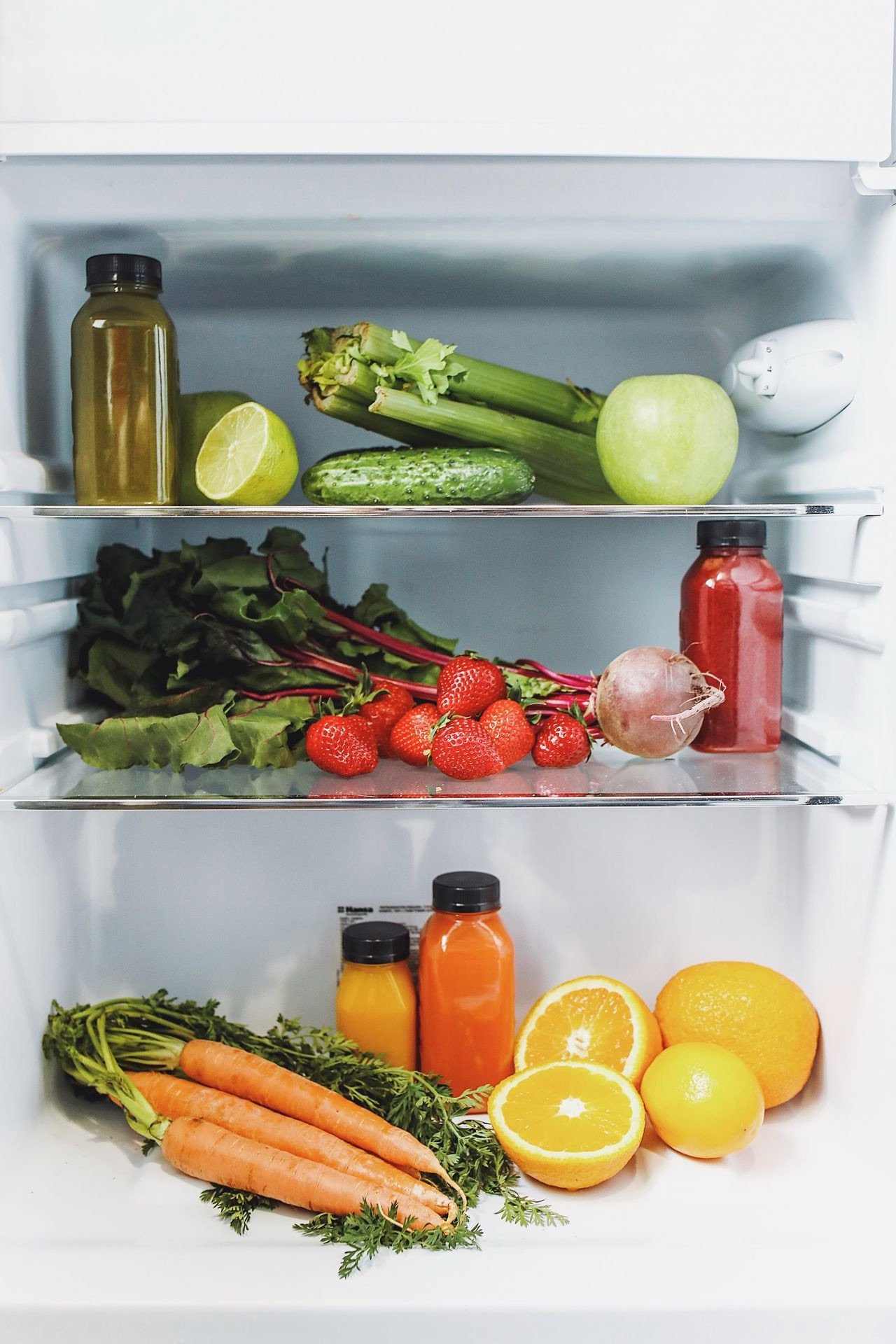
The fastest way to stop herbs from dying in the fridge is to match the storage method, a water jar, a damp paper towel, or the right crisper humidity setting, to the specific herb instead of using one method for everything.
I used to buy a bunch of cilantro on Sunday and throw out a slimy, yellowed mess by Wednesday, every single week. It took me longer than I want to admit to realize the problem wasn’t the herbs. It was that I was treating a delicate bunch of leaves exactly the same way I treated a bag of carrots, shoved in the crisper drawer in its plastic grocery bag and forgotten about.
The thing that finally clicked for me was realizing herbs aren’t one category. A woody rosemary sprig and a soft cilantro stem are basically different plants with different water needs, and the fridge doesn’t know that unless you tell it. Once I started storing each type differently, I went from tossing half my herb budget in the trash to actually using what I bought.
These five hacks are what work for keeping herbs fresh, and they cover the produce that goes bad fastest around them in my fridge: soft herbs, hardy herbs, leafy greens, root vegetables, and the crisper drawer itself. None of them take more than a minute of extra effort.
Key Takeaways
- Soft herbs like cilantro, parsley, and mint last longest stored upright in a jar of water and loosely covered, like a bouquet
- Basil is the one herb that should never go in the fridge since cold turns the leaves black and mushy
- Hardy herbs like rosemary, thyme, and sage do best wrapped in a barely damp, not wet, paper towel
- A crisper drawer’s humidity setting actually matters: high humidity for leafy produce, low humidity for ethylene producers like apples
- Washing produce before you store it, instead of before you use it, is one of the fastest ways to make it rot early
- Leafy greens and root vegetables need opposite wrapping strategies, not the same plastic bag treatment
Table of Contents
5 Produce Storage Hacks That Actually Keep Herbs From Dying
This is what I actually do now, herb by herb and drawer by drawer. Each one solves a different problem, since the fix for wilted cilantro isn’t the same fix for a rotting head of lettuce.
1. Treat Soft Herbs Like a Bouquet, Not a Bag of Groceries
Cilantro, parsley, mint, and dill are soft-stemmed herbs, and they hold up the same way cut flowers do. Trim about an inch off the stems, stand them upright in a glass with an inch or two of water, and drape a plastic bag loosely over the leaves before it goes in the fridge.
This is the one change that actually fixed my cilantro problem. I used to lose most of a bunch by day three, and now the same bunch holds up for close to two weeks if I swap the water every couple of days. Cloudy water is the tell that it needs changing, not a set schedule.
Basil is the one exception on this list, and it took ruining a few bunches for me to actually believe it. Cold air turns basil leaves black and slimy within a day or two, so it needs the same water-glass setup, just sitting on the counter away from direct sun instead of in the fridge. I learned this one the expensive way, one wasted grocery-store bunch at a time.
If you’d rather skip the jar-and-bag setup, a dedicated herb keeper does the same job with a water reservoir built into the base. It’s less likely to tip over than a glass jammed sideways into a door shelf, which is exactly what used to happen to mine.
2. Wrap Hardy Herbs in a Slightly Damp Paper Towel
Rosemary, thyme, sage, and oregano don’t need to sit in water the way soft herbs do. Roll them loosely in a paper towel you’ve dampened and wrung out until it’s almost dry to the touch, then seal the bundle in a bag or container and set it in the crisper.
The first time I tried this, I soaked the paper towel like I was cleaning a counter, and I opened the bag two days later to actual mold. Damp means barely wet, not dripping, and that one adjustment made the difference between herbs lasting weeks and herbs growing something I didn’t want to identify. Now I wring the towel out until it feels more like a cool cloth than a wet one.
Swap the paper towel every few days once it starts drying out or feeling too damp again. Done right, hardy herbs stored this way hold up for two to four weeks, which is long enough that I don’t feel guilty buying a whole bunch for a recipe that calls for one tablespoon of rosemary.
3. Match Your Crisper Drawer’s Humidity Setting to What’s Actually Inside It
Most fridges have two crisper drawers with a slider that says something like high and low humidity, and I ignored mine for years assuming it was decorative. It’s not. The high setting traps moisture around whatever’s inside, and the low setting lets it escape.
| Setting | Best For |
|---|---|
| High humidity | Herbs, leafy greens, broccoli, peppers, carrots, strawberries |
| Low humidity | Apples, pears, avocados, melons |
Once I actually sorted my drawers this way instead of cramming everything into whichever one had space, my lettuce stopped going slimy by day four. Mixing high and low humidity produce in the same drawer is basically asking one of them to fail.
If your fridge only has one crisper drawer or it’s already packed, a produce keeper container with its own vent gives you that same humidity control on a regular shelf. It’s an easy workaround if your fridge just wasn’t built with enough separate space.
4. Don’t Wash Anything Until You’re Ready to Use It
Washing a big haul of produce the second you get home from the store feels responsible, but it’s actually one of the fastest ways to make it rot early. Any water left sitting on a leaf or a berry creates a damp little pocket that mold and bacteria love, and that’s true even in the fridge.
I learned this during a stretch when I was doing all my produce prep on Sundays. Herbs and berries I washed right away turned slimy by Wednesday, while the exact same haul left unwashed in the fridge made it to the following weekend. That gap was bigger than I expected for something this simple.
I still wash everything, I just do it right before I use it instead of right after I buy it. If you want the fuller breakdown on which washing habits actually matter, I wrote a whole guide on produce safety habits that gets into what removes bacteria and what mostly just feels thorough.
5. Stop Wrapping Leafy Greens and Root Vegetables the Same Way
Leafy greens like lettuce and spinach do best wrapped loosely in a paper towel before going into a bag or container. The towel pulls off the extra moisture that would otherwise turn the leaves slimy, while keeping enough humidity around them that they don’t dry out and go limp instead.
Root vegetables need almost the opposite treatment. Carrots and celery actually want that same high humidity, but potatoes, onions, and garlic want cool, dry, and dark, which usually means out of the fridge entirely, not wrapped in anything damp.
I also learned to keep onions and potatoes physically apart after a bag of potatoes sprouted way faster than usual sitting next to a mesh bag of onions. Onions give off a gas that pushes nearby potatoes to sprout early. Now they live in separate spots in my pantry, on opposite ends of the same shelf.
For greens specifically, I switched to a produce storage set with a vented lid and a raised base that keeps everything up off any moisture that collects at the bottom. It’s done more for my lettuce than any plastic bag ever did.
The Real Fix Is Matching the Method to the Produce
None of these five things take more than a minute, and none of them require buying anything special if you already own paper towels and a jar. The actual shift is remembering that a soft herb, a hardy herb, and a head of lettuce all fail in different ways, so each one needs its own fix.
I still mess this up sometimes, especially when I’m rushing through unpacking groceries and just want everything put away. But even doing three of these five consistently has cut down how much I throw out every week, which is really the whole point. If you want to see what else deserves permanent real estate in your fridge, I’ve also broken down the fridge staples worth always having on hand.
FAQ
How long do fresh herbs actually last in the fridge?
Soft herbs stored in a water jar usually last 10 to 14 days, while hardy herbs wrapped in a damp paper towel can hold up for two to four weeks. Basil is the exception and shouldn’t go in the fridge at all.
Why does basil turn black in the fridge?
Basil leaves are more sensitive to cold than most herbs, and refrigerator temperatures break down the cell walls, which turns the leaves black and mushy. It stores better in a glass of water on the counter instead.
What crisper drawer humidity setting is best for herbs and vegetables?
Herbs, leafy greens, and most vegetables do best on the high humidity setting, since it traps moisture around them. Fruit that keeps ripening after purchase, like apples and pears, does better on the low setting so excess moisture can escape.
Should I wash herbs before I put them in the fridge?
No, wait until you’re ready to use them. Leftover moisture on the leaves speeds up mold growth and shortens how long they last.
Can I freeze herbs instead of storing them fresh?
Yes, chopped herbs freeze well packed in a little water or oil in an ice cube tray, and it’s worth doing for any herbs you won’t use up in time. My guide to freezing different foods breaks down how water content changes the results after thawing.

Cynthia Odenu-Odenu is the founder of Cyanne Eats. A registered nurse with a passion for food, she brings the same attention to detail from her professional life into the kitchen. From chain restaurant rankings to grocery finds and easy recipes, Cynthia covers it all and helps everyday food lovers eat better and spend smarter.