
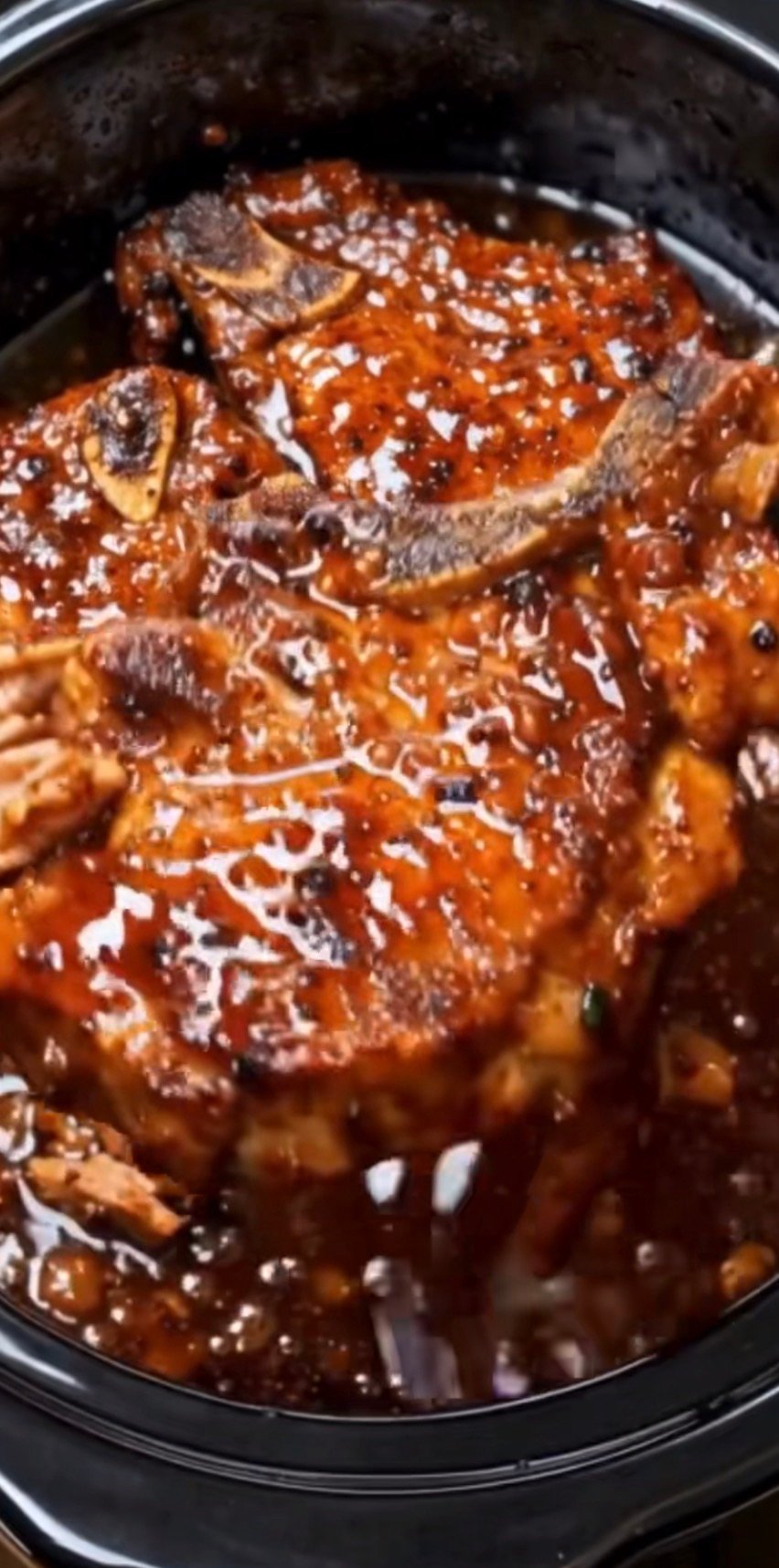
A brown sugar pork tenderloin recipe works by searing the meat first to lock in a crust, brushing it with a brown sugar, dijon, and garlic glaze, then roasting it just until the center hits 145°F.
That last part matters more than people think. I used to treat pork tenderloin like it was forgiving, the way a chuck roast is forgiving. It is not.
This cut has almost no fat running through it, so the gap between “perfect” and “dry as cardboard” is about four minutes in a hot oven.
I started making this specific version a few Decembers ago when I needed something that looked like I’d spent real money on Christmas dinner but actually cost less than a rotisserie chicken and a side of fries. Pork tenderloin slices into these clean, glossy medallions that fool people. Nobody at my table has ever guessed what it cost per pound.
Below I’ll walk through why tenderloin beats a pork loin or a big holiday roast for this exact job, the glaze that makes it taste like more effort than it is, and the two mistakes I made before I got the timing right. One of them dried the meat out. The other burned the glaze black on top while the inside was still cold.
Key takeaways
- Pull the pork at 140-142°F and let carryover heat and a rest bring it to the safe 145°F, since pushing it to 145°F in the oven usually means it overshoots to 155°F or higher by the time you check it again
- Sear the tenderloin in a hot pan for 2-3 minutes per side before it ever goes near the oven, this is what builds the actual crust, not the glaze
- Brush most of the glaze on partway through roasting, not at the start, because straight brown sugar starts to scorch around 375°F
- One tenderloin (about a pound) comfortably feeds 2-3 people and costs a fraction of a beef tenderloin or a spiral ham, which is why it works so well for a small budget Christmas dinner
- Rest the meat for a full 8-10 minutes under foil before slicing, or all that glaze and juice ends up on the cutting board instead of in the meat
Table of Contents
Why pork tenderloin instead of pork loin (they’re not the same thing)
I mixed these up the first time I shopped for this recipe, and I know I’m not the only one, because the two cuts sit right next to each other in the meat case with confusingly similar labels.
Pork tenderloin is the long, thin, single muscle that runs along the backbone. It’s naturally tender, cooks in under 30 minutes, and usually comes vacuum sealed in a pack of one or two, around a pound each.
Pork loin is a much bigger, wider roast, sometimes four or five pounds, cut from a different part of the animal. It’s tougher, cheaper per pound in total dollars spent, and needs a longer, slower cook to turn out tender.
For a Christmas dinner where you’re cooking for two, three, or four people and want something that carves into pretty rounds without a two-hour roasting commitment, tenderloin is the right call. It reads as the fancy centerpiece, the way a beef tenderloin or prime rib would, but at a fraction of the price and with almost none of the fuss.
| Pork tenderloin | Beef tenderloin | Spiral ham | |
| Typical cost for a small dinner (2-4 people) | $8-12 | $40-70+ | $25-40 |
| Active cook time | About 25 minutes | 45-60 minutes | 1.5-2 hours |
| Carving | Clean medallions, no bone | Clean medallions, no bone | Bone-in, more work |
What goes into the glaze
I keep this short on purpose. A tenderloin doesn’t need twelve ingredients fighting for attention.
- Packed light or dark brown sugar
- Dijon mustard
- Minced garlic, 3-4 cloves
- A splash of apple cider vinegar to cut the sweetness
- Olive oil, salt, and black pepper for the sear
That’s it. The Maille dijon mustard I use is smoother and sharper than most grocery store dijon, and since a jar lasts through several batches of glaze, it’s worth having on hand.
How to make brown sugar pork tenderloin
- Pat the tenderloin completely dry with paper towels and trim off any silvery skin with a sharp knife. Wet meat won’t sear, it’ll steam.
- Season it generously with salt and pepper on all sides.
- Sear it hot. Get a heavy oven safe skillet ripping hot with a tablespoon of oil, then sear the tenderloin 2-3 minutes per side, undisturbed, until it’s deeply browned all around. Don’t rush this step by flipping early.
- Mix the glaze while the pork sears: whisk the brown sugar, dijon, garlic, and vinegar into a thick, glossy paste.
- Brush on half the glaze and transfer the whole skillet to a 400°F oven.
- Roast for about 10 minutes, then pull the skillet out and brush on the rest of the glaze. This is the step that keeps the sugar from burning, since it’s only exposed to oven heat for the second half of cooking instead of the whole time.
- Check the temperature at the thickest part with an instant read thermometer starting around the 15-minute mark. Pull it at 140-142°F.
- Tent it loosely with foil and let it rest 8-10 minutes. The temperature will keep climbing to a safe 145°F on its own during this time, per USDA guidance for whole cuts of pork.
- Slice into half inch medallions and spoon any pan glaze over the top before serving.
An instant read meat thermometer is the one piece of gear I’d actually call necessary here, not optional. Guessing on a cut this lean is how you end up serving shoe leather.
The mistake that taught me to trust the thermometer over the clock
The first time I made this for Christmas dinner, I went by time instead of temperature because I was juggling three other dishes and didn’t want to keep opening the oven. I pulled the tenderloin at what I figured was “close enough,” let it rest, and sliced into gray, dry meat with almost no give.
The problem is that pork tenderloin has basically no intramuscular fat to fall back on. There’s no melting collagen to bail you out the way there is with a pot roast, so once you’re past 145°F there’s no fixing it. All you can really do at that point is slice it thin and drown it in sauce.
Now I pull it five degrees early every single time, tent it, and let carryover heat do the rest of the work. I have not overcooked one since.
The other mistake: watching the glaze go from caramelized to burnt
The second batch I ever made, I brushed on the full amount of glaze before the pork went into the oven at all, then walked away to deal with mashed potatoes. When I came back, the sugar on top had gone from a nice deep amber to nearly black and bitter tasting in spots.
Sugar starts to scorch around 375°F, and my oven was set to 400°F, so the glaze had way more time in that heat than it could handle. Splitting the glaze into two applications, half before roasting and half about ten minutes in, fixed it completely.
If you’re someone who likes to set a timer and walk away, I’d honestly rather you check on this one dish once, halfway through, than risk a burnt top on the one thing your guests are looking at.
A juicy pork tenderloin that earns its spot on the table
This recipe earns its place at a holiday table not because it’s complicated, but because it’s forgiving in exactly the ways a budget dinner needs to be. It’s inexpensive, it comes together in under 45 minutes total, and it still looks like something you fussed over.
I’ve made this for a Christmas dinner for two and doubled it for a table of six, and both times it disappeared fast. Once you nail the temperature and split the glaze, it’s genuinely hard to mess up.
Frequently asked questions
What temperature should pork tenderloin be cooked to?
Pull it from the oven at 140-142°F, then let it rest under foil. Carryover heat brings it up to the USDA’s recommended safe minimum of 145°F within a few minutes.
Why is my pork tenderloin glaze burning?
You’re likely applying all the glaze before roasting and cooking above 375°F, which is roughly where sugar starts to scorch. Split the glaze into two applications, one before roasting and one about halfway through.
Can I use pork loin instead of pork tenderloin for this recipe?
Not directly. Pork loin is a much larger, tougher cut that needs a longer, lower temperature cook, while tenderloin is thin and cooks fast at high heat, so swapping one for the other without adjusting time and temperature will leave you with either raw or dried out meat.
How long should pork tenderloin rest before slicing?
Rest it for 8-10 minutes under loose foil. Cutting into it any sooner lets the juices and glaze spill onto the cutting board instead of staying in the meat.
Is pork tenderloin a good budget option for Christmas dinner?
Yes, a one pound tenderloin typically costs $8-12 and feeds 2-3 people, which is a fraction of what a beef tenderloin or spiral ham runs for a similarly sized holiday meal.
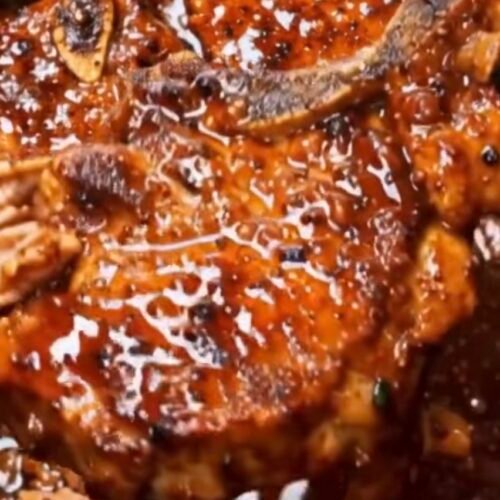
Brown Sugar Pork Tenderloin
Ingredients
- 1 pork tenderloin (about 1 pound), trimmed
- 1 tbsp olive oil
- Salt and black pepper, to taste
- ⅓ cup packed brown sugar
- 2 dijon mustard
- 3 cloves garlic, minced
- 1 tbsp apple cider vinegar
Instructions
- Pat the tenderloin dry and trim off any silver skin. Season all over with salt and pepper.
- Heat olive oil in an oven safe skillet over high heat. Sear the tenderloin 2-3 minutes per side until deeply browned.
- Whisk together the brown sugar, dijon mustard, garlic, and vinegar until smooth.
- Brush half the glaze over the seared tenderloin and transfer the skillet to a 400°F oven.
- Roast for 10 minutes, then remove and brush on the remaining glaze.
- Continue roasting until an instant read thermometer reads 140-142°F at the thickest point, about 5-8 more minutes.
- Tent with foil and rest 8-10 minutes, until the internal temperature reaches 145°F.
- Slice into medallions and spoon any pan glaze over the top before serving.
Notes

Cynthia Odenu-Odenu is the founder of Cyanne Eats. A registered nurse with a passion for food, she brings the same attention to detail from her professional life into the kitchen. From chain restaurant rankings to grocery finds and easy recipes, Cynthia covers it all and helps everyday food lovers eat better and spend smarter.