
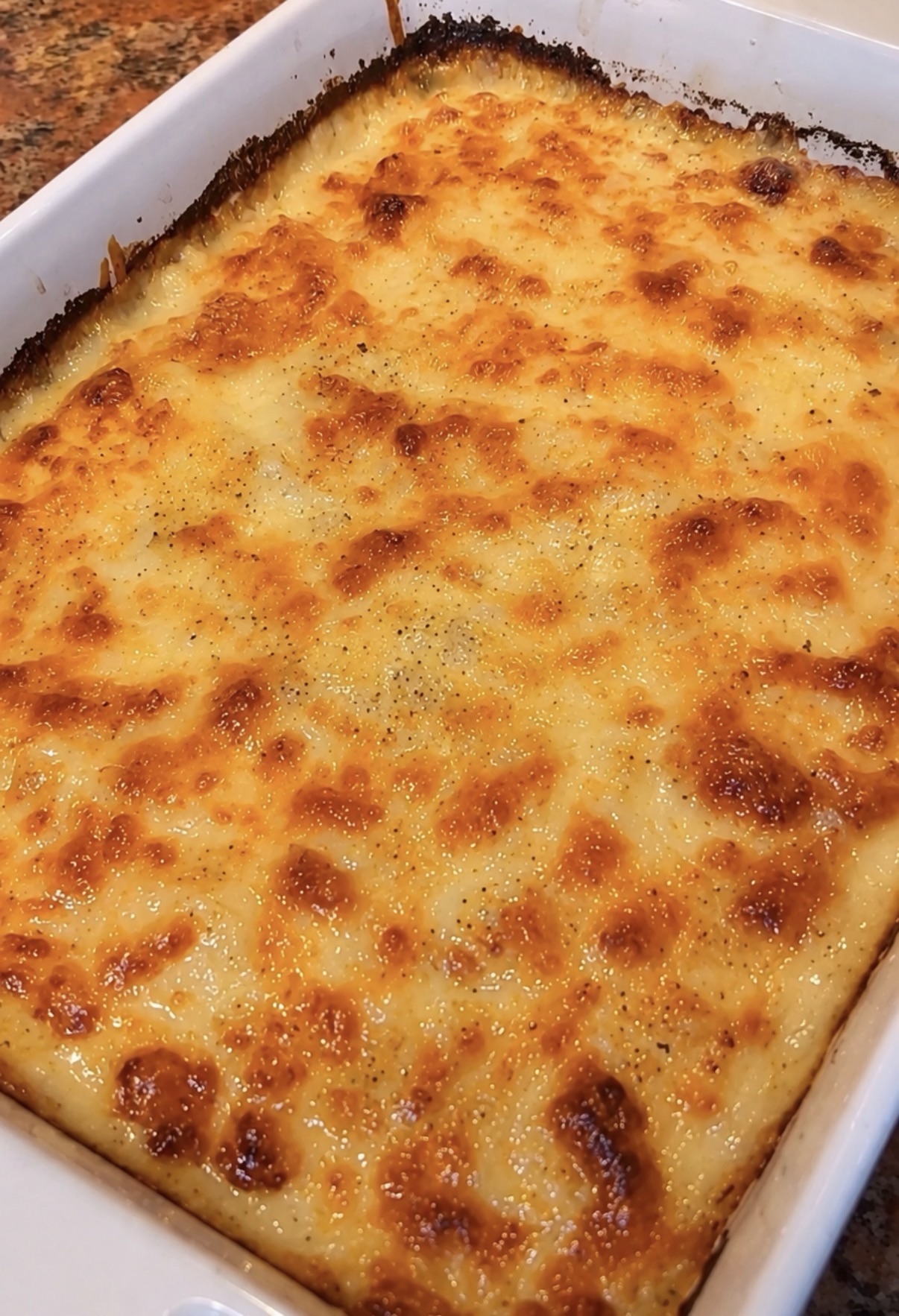
Au gratin potatoes are thinly sliced potatoes layered with cream and cheese, usually gruyere or sharp cheddar, then baked until the potatoes are tender and the top is browned and bubbling, distinct from scalloped potatoes, which traditionally skip the cheese entirely.
Most people use these two names interchangeably, and honestly, most recipes online do too. There’s still a real difference worth knowing, especially since it changes what you’re building in the dish.
The technique itself isn’t complicated. It’s just unforgiving of uneven slices, which is the one place this recipe genuinely demands a specific tool.
Table of Contents
Key Takeaways
- Au gratin includes cheese in the sauce or layers. Scalloped potatoes traditionally use only a cream sauce, no cheese, even though the names get used interchangeably now
- Slicing potatoes an even 1/8 inch thick is what determines whether every piece cooks at the same rate
- Gruyere is the classic French cheese choice, sharp cheddar the dominant American one, and a blend of both is a common, legitimate compromise
- Pre-shredded cheese’s anti-caking coating is a real, documented cause of a grainier sauce, not just a preference thing
- This is one dish that genuinely doesn’t freeze well once assembled, since cream sauces tend to separate and go watery after thawing
Au Gratin vs. Scalloped: The Real Difference
The distinction comes down to cheese. Au gratin, from the French word for the browned crust a dish forms under heat, traditionally includes cheese and sometimes breadcrumbs in the layers or sauce. Scalloped potatoes, in the traditional American sense, use just a cream or milk sauce with no cheese at all.
In practice, almost nobody enforces this distinction anymore, and plenty of recipes labeled “scalloped” include cheese without a second thought. Worth knowing the history is one thing. Policing which name your dish deserves is another, and not really the point.
Ingredients
Potatoes, 3.5 to 4 lbs: Yukon Gold holds its shape better in the layers and has a naturally buttery flavor. Russet releases more starch as it cooks, which some classic recipes rely on to help thicken the sauce. Both are legitimate choices depending on which texture you want.
Heavy cream or half-and-half, 2.5 to 3 cups: Stick with at least half-and-half. Whole milk alone is the most likely to break or curdle in the oven’s heat.
Gruyere, sharp cheddar, or a blend, 12 to 16 oz, grated: Grate it yourself off a block. Pre-shredded cheese is coated with anti-caking starches that keep it from melting smoothly, which is exactly why it tends to make a grainier sauce.
Butter, 2 to 3 tablespoons
Garlic, 1 to 2 cloves, minced or a cut clove for rubbing the dish
Salt and black pepper, to taste
Equipment
A mandoline slicer is the single most important tool for this specific dish. Getting dozens of potato slices to a genuinely even 1/8-inch thickness by hand is close to impossible, and uneven slices are the biggest reason some pieces end up mushy while others are still crunchy. The OXO mandoline with a hand guard makes this fast and, more importantly, safe.
A wide, shallow oval gratin dish maximizes surface area for browning and keeps the layers thin enough to cook evenly. A Le Creuset oval au gratin dish is the classic choice, though any wide, shallow baking dish works.
A box grater, or a good cheese grater generally, is what lets you grate a block of cheese fresh instead of relying on the pre-shredded bag with its anti-caking coating. The OXO box grater with a removable zester covers both jobs in one tool.
How to Make Au Gratin Potatoes
Step 1: Prep the dish and potatoes
Preheat the oven to 375 degrees. Rub the baking dish with a cut clove of garlic, then butter it.
Slice the potatoes into even 1/8-inch rounds using a mandoline.
Step 2: Layer
Arrange a layer of potato slices in the dish, slightly overlapping. Season lightly with salt and pepper, then scatter a portion of the grated cheese over the layer. Repeat until all the potatoes and most of the cheese are used, reserving some cheese for the top.
Step 3: Add the cream
Pour the cream or half-and-half evenly over the layered potatoes, letting it settle down between the layers. It should come close to the top layer without fully submerging it.
Step 4: Bake
Cover loosely with foil and bake for about 45 minutes. Uncover, top with the reserved cheese, and continue baking uncovered for another 30 to 45 minutes, until the potatoes are completely tender when pierced with a knife and the top is browned and bubbling.
If the top is browning faster than the center is cooking through, tent it loosely with foil again for the remaining bake time.
The Two Mistakes That Ruin This Dish
Undercooked center, browned top: Almost always from slices cut too thick or unevenly, or an oven running too hot. Slice uniformly with a mandoline, keep the oven in the 350 to 375 degree range, and tent with foil early if the top is coloring too fast.
Broken or curdled sauce: Usually from dairy that’s too lean, whole milk alone rather than cream or half-and-half, or the dish baking too hot. Stick with at least half-and-half, and if a batch already broke, whisking in a small splash of extra cream during baking often helps it come back together.
Storage and Freezing
Refrigerate leftovers covered for 3 to 4 days. Reheat in the oven rather than the microwave when you can, since oven heat lets the sauce loosen back up gently instead of breaking the way a microwave’s fast heat tends to.
This is a dish that genuinely doesn’t freeze well once fully assembled and baked. Thawed potatoes release extra liquid and the texture goes noticeably looser and wetter. If you want to freeze leftovers anyway, portion already-baked leftovers tightly wrapped rather than trying to freeze the dish raw and unbaked.
FAQ
What’s the actual difference between au gratin and scalloped potatoes?
Au gratin traditionally includes cheese in the layers or sauce. Scalloped potatoes traditionally use only a cream sauce with no cheese. Most people use the two names interchangeably today regardless.
Why did my potatoes stay crunchy in the middle?
The slices were probably cut too thick or unevenly. A mandoline set to an even 1/8 inch is what keeps every piece cooking at the same rate.
Why did my cream sauce break or curdle?
The dairy was likely too lean, whole milk instead of cream or half-and-half, or the oven ran too hot. Stick with at least half-and-half for a more stable sauce.
Should I use pre-shredded or block cheese?
Block cheese, grated fresh. Pre-shredded cheese carries an anti-caking coating that keeps it from melting into a smooth sauce, which is a real, documented cause of a grainier texture, not just a matter of taste.
Does this dish freeze well?
Not particularly, once it’s assembled and baked. The cream sauce tends to separate and go watery after thawing. If freezing, portion already-baked leftovers rather than freezing the dish raw.
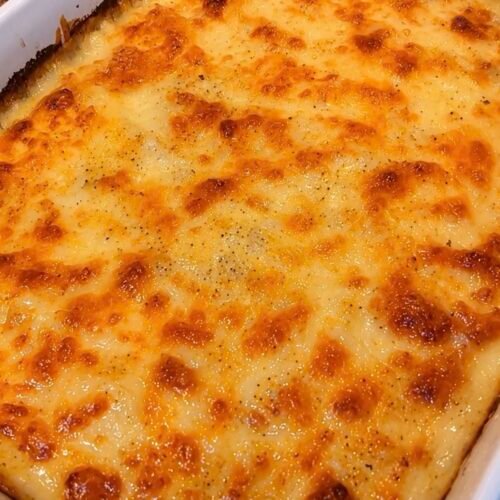
Au Gratin Potatoes Recipe
Ingredients
- 3.5 to 4 lbs potatoes (Yukon Gold or Russet), sliced1/8 inch thick
- 2.5 to 3 cups heavy cream or half-and-half
- 12 to 16 oz gruyere, sharp cheddar, or a blend, grated
- 2 to 3 tbsp butter
- 1 to 2 cloves garlicSalt and black pepper, to taste
Instructions
- Preheat oven to 375 degrees. Rub the baking dish with cut garlic, then butter it. Slice potatoes evenly at 1/8 inch on a mandoline.
- Layer potatoes with salt, pepper, and cheese, repeating until potatoes and most of the cheese are used. Reserve some cheese for the top.
- Pour cream evenly over the layers. Cover loosely with foil and bake 45 minutes.
- Uncover, top with reserved cheese, and bake uncovered 30 to 45 minutes more, until tender throughout and browned on top.
Notes

Cynthia Odenu-Odenu is the founder of Cyanne Eats. A registered nurse with a passion for food, she brings the same attention to detail from her professional life into the kitchen. From chain restaurant rankings to grocery finds and easy recipes, Cynthia covers it all and helps everyday food lovers eat better and spend smarter.