
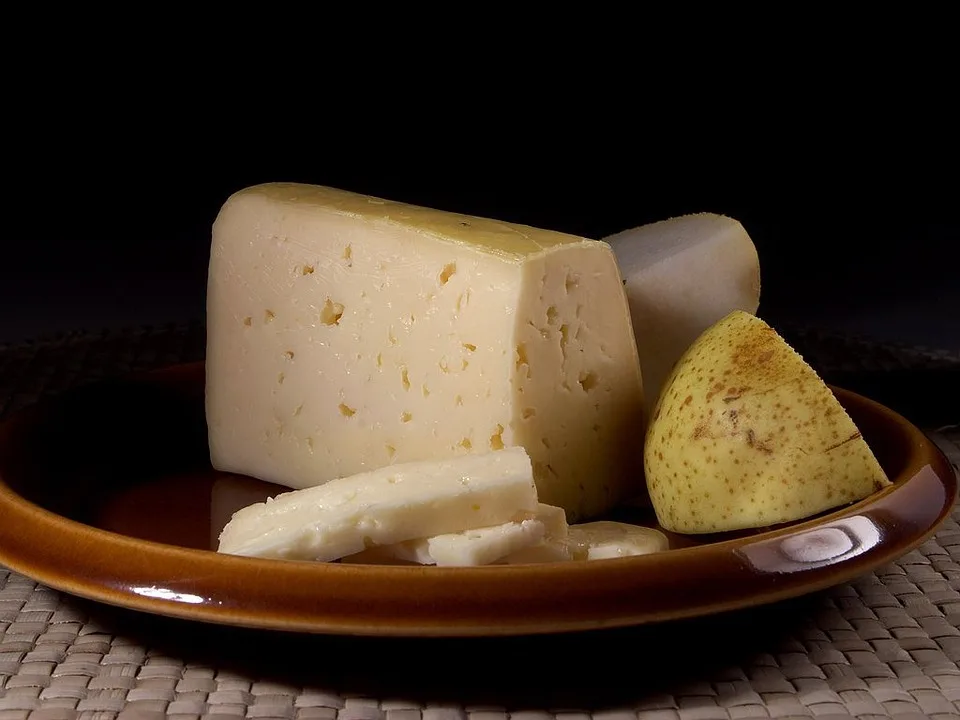
The best Tilsit cheese substitute is Havarti, which shares the same semi-soft, buttery, mild character. No wonder, since Havarti was literally called “Danish Tilsiter” before it got its own name in 1952.
Tilsit is one of those cheeses that shows up in European and German recipes and leaves American home cooks doing a double take. Most grocery stores do not carry it, and half the internet cannot agree on where it came from.
And if you do find it, it might smell a lot stronger than you expected.
I put this guide together to actually answer the “what is Tilsit” question first, then give you the closest substitutes mapped to what you are making, and finally tell you where to find the real thing if you want to track it down.
Key Takeaways
- Havarti is the closest widely available substitute since it descended directly from Danish Tilsit
- Muenster matches Tilsit’s mild, buttery, semi-soft character and is the easiest US-grocery swap
- Young Gouda covers the same creamy, mild, excellent-melting ground
- The smell comes from washed-rind aging with the same bacteria responsible for Limburger
- German Tilsit (Tilsiter) is the most aromatic; Swiss Tilsit is Alpine and slightly sweeter; Danish Tilsit evolved into what we now call Havarti
- Gruyère is NOT a close Tilsit substitute despite appearing on most lists
- Tilsit is findable in the US through specialty shops, German delis, and online retailers
Table of Contents
What Is Tilsit Cheese?
Tilsit is a semi-hard, washed-rind cow’s milk cheese created in the mid-1800s in the East Prussian town of Tilsit, which is now called Sovetsk in Russia’s Kaliningrad Oblast. Settlers in the damp Baltic region were trying to recreate the cheese they knew from home, but the local cellars and milk produced something new. They named it after the town.
The flavor ranges from mild and buttery when young to tangy, piquant, and slightly acidic as it ages. The texture is springy and moist with small irregular eyes, slices cleanly, and melts beautifully. It is a staple in German and Swiss cooking, eaten on rye bread with dark beer, melted into gratins and casseroles, and served on cheese boards.
Also called Tilsiter in German, it comes in several styles. The German variety (Holsteiner Tilsiter) earned Protected Geographical Indication (PGI) status from the EU in December 2013.
The Swiss variety (Royalp Tilsit) was brought back from Prussia in 1893 by a cheesemaker named Otto Wartmann, who carried the recipe home in his pocket. The Danish variety eventually became what we now call Havarti.
Why Does Tilsit Cheese Smell?
Tilsit is a washed-rind cheese, which means the rind is repeatedly rubbed with brine during aging. This encourages the growth of Brevibacterium linens, the same bacterium responsible for Limburger’s notorious aroma. The result is an earthy, pungent smell that intensifies with age.
The mild green-label version (pasteurized milk) has a gentle, approachable aroma. The raw-milk red-label Farmhouse Tilsit ages for about five months and develops a strong, assertive smell that cheese lovers enjoy and everyone else notices. If you opened a Tilsit and thought it was more aromatic than expected, that is exactly what it is supposed to do.
German Tilsit vs Swiss Tilsit vs Danish Tilsit
These three styles share a common ancestor but taste noticeably different.
German Tilsit (Tilsiter) is the most aromatic version, traditionally spiced with caraway seeds, with a firm body and a pronounced earthy tang. It is the version most people encounter in German recipes and at German delis in the US.
Swiss Tilsiter (Royalp) has a more Alpine character with a slightly sweeter, more complex flavor. The Swiss have regulated the cheese since 1948 and trademarked the name “Tilsiter Switzerland” since 1993.
Danish Tilsit evolved away from the washed-rind tradition and eventually became what we now call Havarti. Modern Havarti is milder, rindless, and creamier than Tilsit, which is why it sits at the top of the substitute list.
10 Best Tilsit Cheese Substitutes
1. Havarti
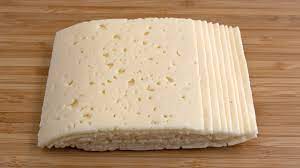
Havarti is the single closest substitute because it literally is a descendant of Danish Tilsit. Danish producers called their version “Danish Tilsiter” until 1952, when it was renamed Havarti after the farm of Danish cheese pioneer Hanne Nielsen. The base character is the same: buttery, semi-soft, mild, with small irregular holes and a clean dairy flavor.
Modern Havarti is milder and lacks Tilsit’s washed-rind aroma, but for sandwiches, melting, and cheese boards it is an almost perfect swap. Use it at a 1:1 ratio.
Havarti Cheese is the BSR #1 Havarti on Amazon, a reliable Amazon Grocery product that ships fresh. It is confirmed in stock and is my first call whenever I need a Tilsit substitute in a hurry.
Best for: Sandwiches, grilled cheese, melting, cheese boards, every application
2. Muenster
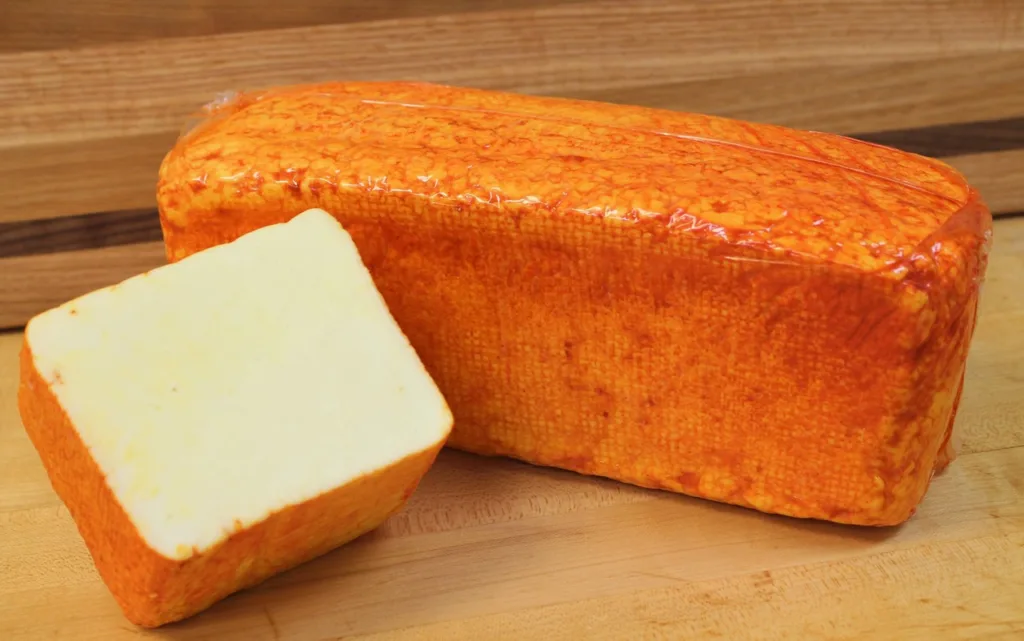
American Muenster is one of the most underrated Tilsit substitutes on this list. It is semi-soft, mild, slightly tangy, and melts into a smooth, creamy layer that is nearly identical to what Tilsit does. Both cheeses share a washed-rind heritage, even if American Muenster is much milder than its French ancestor (Munster).
It is also one of the easiest substitutes to find. Every grocery store with a deli counter carries Muenster slices. Use it wherever Tilsit would go, at a 1:1 ratio.
Best for: Sandwiches, burgers, grilled cheese, melting into sauces, family-friendly cooking
3. Young Gouda
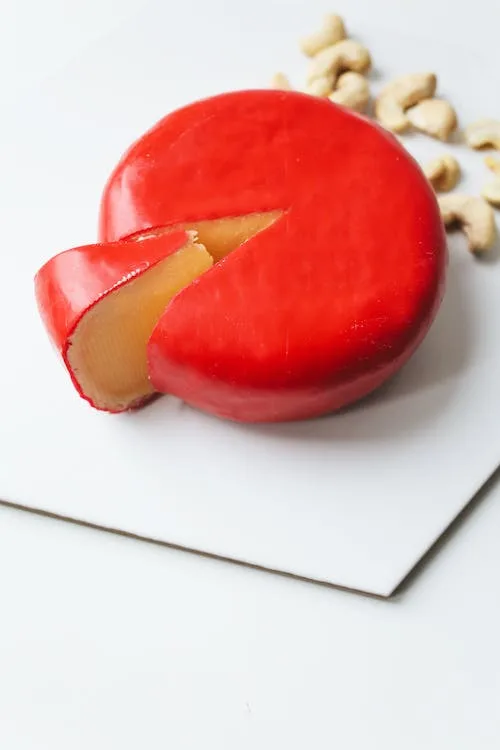
Young Gouda has a mild, slightly sweet, buttery flavor and melts as cleanly as any cheese on this list. The resemblance to Tilsit is strongest in young, unaged Gouda (aged four to six weeks) where the paste is pale, moist, and springy.
It is a bit less tangy than Tilsit but covers the same general territory of mild, melty, crowd-pleasing European semi-soft cheese. For cheese boards and cooked dishes, young Gouda is one of the most versatile options available.
Best for: Cheese boards, melting, sandwiches, cooking, any mild application
4. Fontina
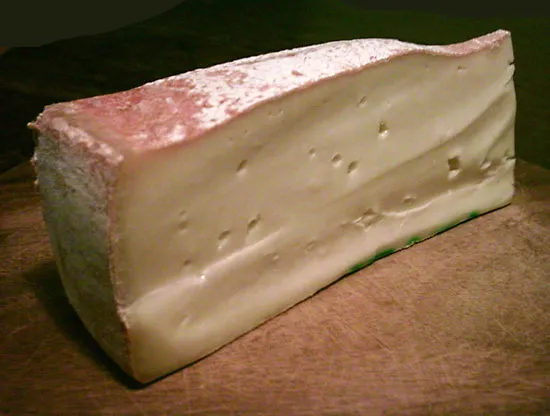
Fontina is an Italian semi-soft cheese that melts into the smoothest, most luxurious sauce of almost any cheese on the market. The flavor is mild, slightly nutty, and earthy in a way that reads close to mild Tilsit without the washed-rind bite.
It is my preferred substitute when Tilsit is called for in a pasta bake or gratin, because the melt is genuinely exceptional. Italian Fontina Cheese sold by the pound is an active igourmet listing on Amazon for the authentic Italian version.
Best for: Fondue, pasta bakes, gratins, creamy sauces, raclette-style dishes
5. Emmentaler
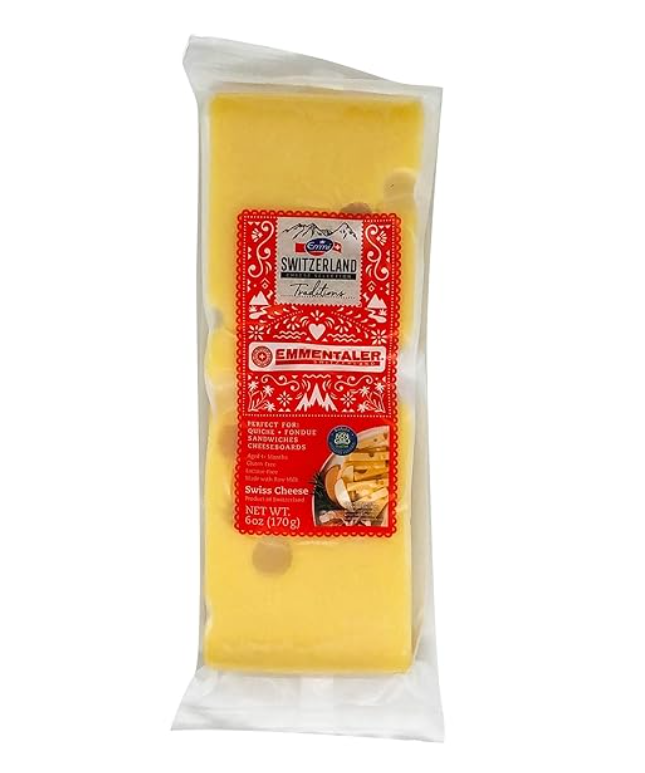
Emmentaler is the Swiss cheese with the big holes, a mild, nutty, slightly fruity flavor, and one of the best natural melts of any European cheese. It is firmer than Tilsit and less tangy, but in cooking and melting applications it performs very well.
For fondue and any dish calling for a smooth, classic Swiss melt, Emmentaler is a natural choice. Emmi Cave-Aged Kaltbach Emmentaler is the premium cave-aged version from the same Kaltbach cellar as the famous Gruyère. It is confirmed active on Amazon and is genuinely excellent.
Best for: Fondue, French onion soup, grilled cheese, melting, sandwiches
6. Raclette
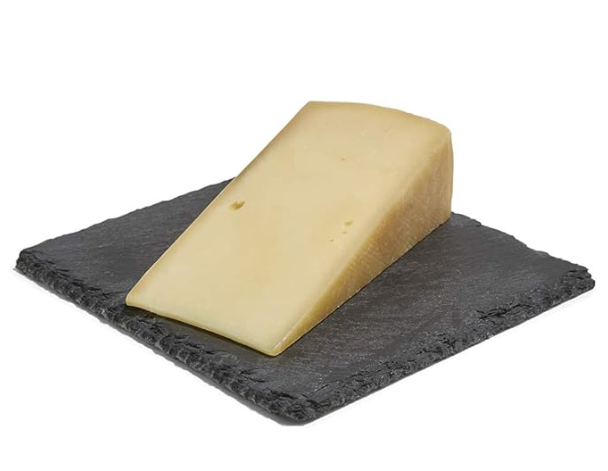
Raclette is a Swiss semi-hard cheese with a mild, creamy, slightly earthy flavor that is made specifically to melt. It comes from the Swiss Alps and is traditionally melted directly over potatoes, vegetables, and meats. For any Tilsit application where melting is the main event, Raclette is a strong choice.
The flavor is buttery and mild with a hint of something savory. It is not identical to Tilsit but it covers the same “mild semi-hard European cheese that melts well” territory.
Best for: Melting over potatoes, hot sandwiches, raclette-style dishes, fondue
7. Gruyère
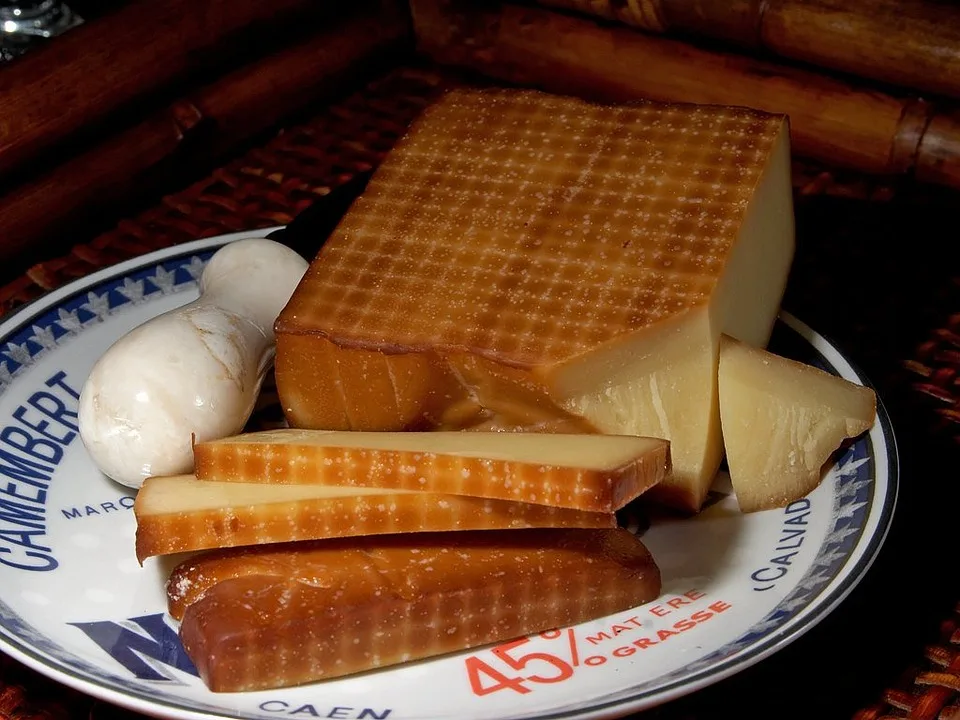
Gruyère is a genuinely great cheese but it is not a close Tilsit substitute, and I want to be honest about that. It is a firm, aged Alpine cheese with a bold, nutty, complex, slightly beefy flavor that is considerably more assertive than Tilsit’s mild earthiness. It also costs significantly more per ounce.
It works well in fondue and French onion soup where you want a strong, nutty melt. Use it knowing you are making a different dish with a different character. Kaltbach Cave-Aged Gruyère 14oz is the BSR #1 Gruyère on Amazon if you want to go this route.
Best for: Fondue, French onion soup, melting applications where a bold, nutty flavor is welcome
8. Edam
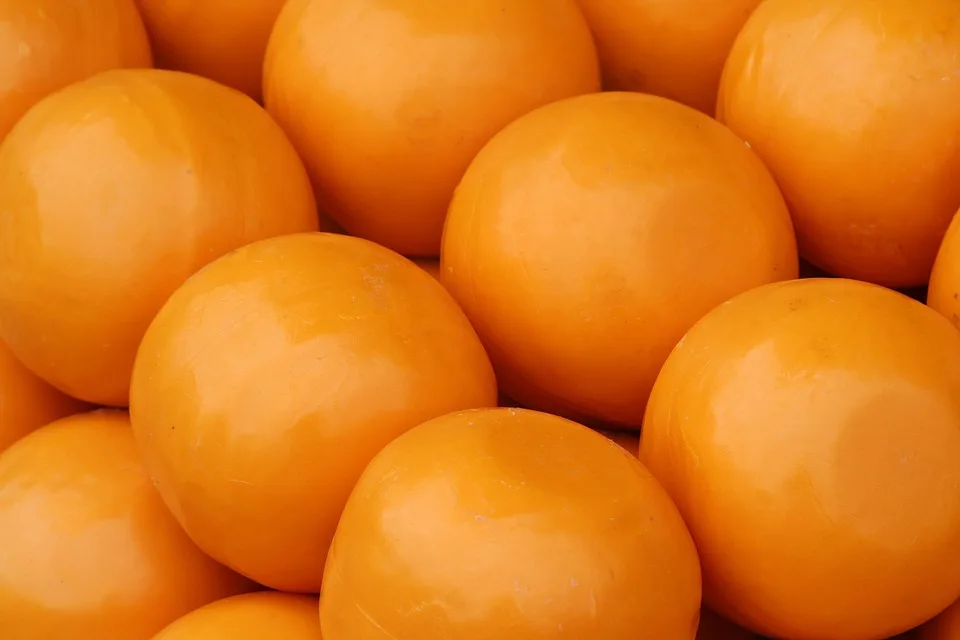
Edam is a mild, slightly nutty, semi-hard Dutch cheese with a lower fat content than most cheeses on this list. It slices cleanly, melts reasonably well, and has a mild salty flavor that works in sandwiches and snacking without any intensity.
It is not an exciting substitute but it is a practical one. For cold applications, snacking, and mild melted dishes, Edam is a solid no-drama choice.
Best for: Snacking, cold sandwiches, mild cooking applications, cheese boards
9. Monterey Jack
Plain Monterey Jack is mild, creamy, high-moisture, and melts effortlessly. It lacks Tilsit’s tang and earthy quality entirely, but for pizza, quesadillas, and dishes where the cheese is a melting component rather than the flavor focus, it is a practical substitute.
It is also the easiest option to find at every US grocery store. For Tilsit applications in American Tex-Mex recipes, Monterey Jack fits comfortably.
Best for: Pizza, quesadillas, grilled cheese, nachos, mild everyday cooking
10. Port Salut
Port Salut is a French semi-soft cheese with a mild, creamy, slightly tangy flavor and a bright orange washed rind. It is in the same washed-rind family as Tilsit, which makes it one of the more authentic flavor matches on this list even if it is harder to find than the others.
The texture is softer and more spreadable than Tilsit, so use it in cold applications and mild melting rather than dishes that need a firmer, sliceable cheese.
Best for: Cheese boards, mild sandwiches, crackers, soft melting applications
What Does NOT Work as Well: Gruyère and Appenzeller
I put Gruyère in the list because it melts well and people will reach for it, but it is worth saying clearly: Gruyère is a nutty, assertive Alpine cheese that tastes nothing like mild Tilsit. If you substitute Gruyère for Tilsit in a sandwich or a mild dish, the Gruyère will dominate the whole plate.
Appenzeller has the same issue but even more so. It is a firm, herbal, spicy Swiss cheese washed in a secret brine of wine and herbs, which gives it a complexity and boldness that is the opposite of Tilsit’s gentle character. For the Appenzeller cheese substitutes guide that covers its specific applications, that article goes deep on what it actually pairs with well.
Where to Buy Tilsit Cheese in the US
Tilsit is genuinely difficult to find at mainstream US supermarkets. Your best sources are German and Swiss specialty delis, European import stores, and online cheese retailers.
Online: igourmet ships authentic German and Danish Tilsit nationally. The Cheese Guy makes an artisan Tilsit in Vermont that ships to most US states.
Eichten’s Cheese in Minnesota also makes American Tilsit. Instacart lists German Tilsit by the pound at select stores in major cities.
In-store: Ask your local specialty cheese shop to special-order German Holsteiner Tilsiter. Bavaria Sausage (Madison, WI and Milwaukee area) stocks imported German Tilsiter Käse and ships nationally.
If you want to explore a full range of German cheeses without sourcing each one separately, the igourmet Oktoberfest German Cheese Assortment on Amazon ships four authentic German cheeses in an insulated box: Allgäu Emmental, Smoked Ammerlander, Butterkäse, and Cambozola. It is the best way to explore the German cheese family that Tilsit belongs to, and it ships reliably.
Serving and Storing Tilsit and Its Substitutes
Tilsit and Havarti both benefit from being brought to room temperature before serving. Cold cheese from the fridge mutes the flavor significantly. Pull it out 30 minutes before serving and the full buttery, tangy character opens up.
Formaticum cheese storage bags are what professional cheesemongers use for exactly this type of semi-soft European cheese. The breathable paper prevents the ammonia buildup that plastic wrap creates while keeping the paste from drying out. For a proper board setup, the ChefSofi charcuterie board set includes four steel knives and four ceramic bowls, which handles everything from sliceable semi-hard Tilsit to a soft spread.
Frequently Asked Questions
What is the best substitute for Tilsit cheese?
Havarti is the closest substitute since it literally descended from Danish Tilsit and shares the same buttery, semi-soft, mild character. For US grocery store availability, Muenster is the most accessible match with a very similar mild, melty, slightly tangy profile.
What does Tilsit cheese taste like?
Young Tilsit tastes mild, buttery, and slightly tangy with a gentle nuttiness and a springy, moist texture. Aged Tilsit develops more sharpness, earthiness, and piquancy. The flavor sits between mild Havarti and a firmer, more aromatic washed-rind cheese.
Why does Tilsit cheese smell?
Tilsit is a washed-rind cheese whose rind is rubbed with brine during aging, which encourages the growth of Brevibacterium linens. This bacterium is responsible for the earthy, pungent aroma. Mild pasteurized versions smell gentle; aged raw-milk versions have a stronger, more assertive aroma similar to Limburger.
Is Tilsit the same as Havarti?
They are close relatives but not the same. Havarti was originally called Danish Tilsiter and is a direct descendant of Danish Tilsit. Modern Havarti was developed to be milder, creamier, and without a washed rind. Think of Havarti as a gentler, more accessible version of what Tilsit began as.
Where can I buy German Tilsit cheese in the US?
German and Swiss specialty delis are the most reliable source, along with online retailers like igourmet, The Cheese Guy, and Eichten’s. Bavaria Sausage in Wisconsin ships imported German Tilsiter Käse nationally. At mainstream grocery stores it is rarely stocked, so specialty sourcing or a good substitute is usually the practical move.

Cynthia Odenu-Odenu is the founder of Cyanne Eats. A registered nurse with a passion for food, she brings the same attention to detail from her professional life into the kitchen. From chain restaurant rankings to grocery finds and easy recipes, Cynthia covers it all and helps everyday food lovers eat better and spend smarter.