
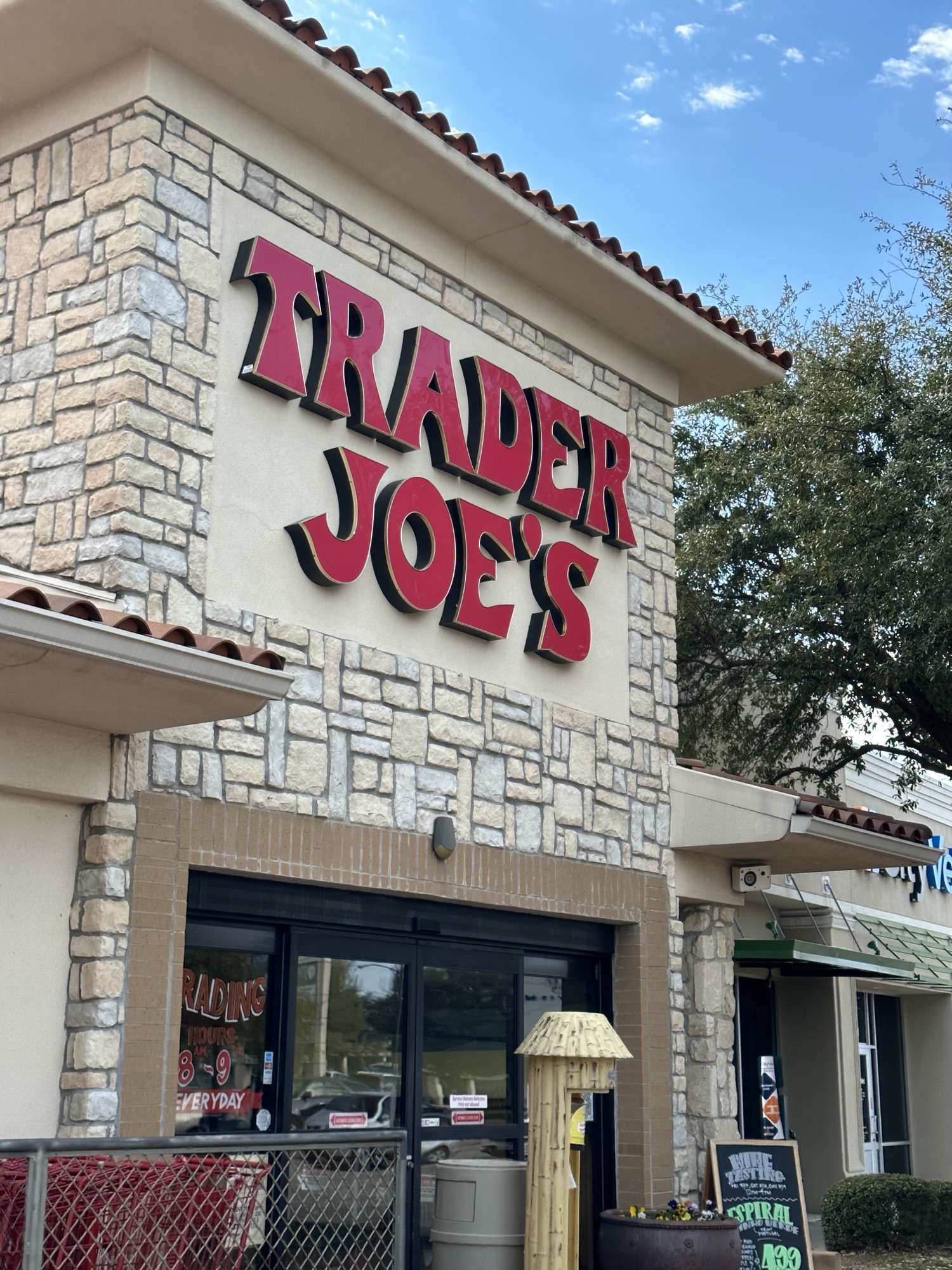
The best Trader Joe’s hacks include always grabbing the heaviest produce since items are priced per unit not by weight, asking any employee to open any shelf-stable product before you buy it, and returning anything you do not like with no receipt and no time limit.

I have been shopping at Trader Joe’s long enough to know that most people are leaving value on the table every single visit. Not because the prices are hidden or the deals are hard to find, but because TJ’s operates differently from every other grocery store and the rules are not explained anywhere.
These seven hacks are the ones that actually change how I shop there. No loyalty cards, no coupon stacking, no apps required.
Table of Contents
Key Takeaways
- All Trader Joe’s produce is priced per item, not per pound, so always pick the heaviest one in the bin
- You can ask any employee to open almost any shelf-stable product and let you try it before buying
- The return policy has no time limit and does not require a receipt, and you do not need to bring the food back
- Tuesday and Wednesday mornings are the least crowded shopping windows by a significant margin
- Bone-in chicken at Trader Joe’s is often priced at less than a third of what boneless cuts cost per pound
7 Trader Joe’s Hacks Worth Knowing
1. Always Grab the Heaviest Produce
This is the single most practical money-saving hack at Trader Joe’s and almost nobody knows it.
Unlike most grocery stores, Trader Joe’s prices almost all of its produce per item rather than per pound. One avocado costs the same whether it weighs 5 ounces or 8. One head of cauliflower is the same price whether it is small or enormous.
This means the heaviest item in the bin is always the best deal, and the price difference between the lightest and heaviest item can be significant.
For avocados, mangoes, grapefruit, sweet potatoes, broccoli crowns, and cauliflower, do the one-in-each-hand test and take the denser one every time. Look for tight, compact florets on broccoli and cauliflower, firm heft on avocados and mangoes, and minimal hollow space inside peppers.
Over a full shopping trip, picking the heaviest item in each bin adds up to real savings without spending a single extra dollar.
2. Ask to Try Anything Before You Buy
Trader Joe’s has a “Try Anything” policy that most shoppers have never heard of.
You can walk up to any employee and ask them to open almost any shelf-stable product so you can taste it before committing. Chips, crackers, cookies, nuts, trail mix, bread, snack bars, and most packaged foods are fair game. The employee opens the product, gives you a sample, and the open package goes to the break room for staff to finish.
The limits are reasonable: they will not cook raw meat for you, heat up a frozen meal, or let you sample alcohol. But for the entire world of shelf-stable snacks and grocery items, this policy is real and available at most locations.
If you are nervous about asking at the counter, ask your cashier at checkout whether the policy is active at that location. It comes up naturally and you get a straight answer without any awkwardness.
3. Return Anything, No Questions, No Receipt, No Time Limit
Trader Joe’s has one of the most generous return policies in all of grocery retail, and most shoppers never use it because they do not know it exists.
If you try something and do not like it, you can return it for a full refund. No receipt required. No time limit. You do not even need to bring the product back. Many shoppers have confirmed that simply walking in, telling the manager they did not like an item, and describing what it was is enough to get their money back.
The only consistent exception is alcohol, which is subject to state laws and may require the original receipt. Everything else is fair game.
Trader Joe’s uses return data to decide which products to keep stocking and which to discontinue, so they genuinely want the feedback. This is not a loophole to exploit on produce you forgot to refrigerate. But for a new product you tried and genuinely did not enjoy, there is no reason to eat the loss.
4. Shop Tuesday or Wednesday Morning
Trader Joe’s gets busy in ways that most grocery stores do not, partly because the stores are smaller and partly because the parking lots are notoriously chaotic.
The least crowded windows are Tuesday and Wednesday mornings, which also happen to coincide with mid-week restocking. This means fresher produce, fully stocked shelves, and first access to any new products that rolled in for the week.
Evenings and weekends are reliably the worst times to go, especially at urban locations. If your schedule allows any flexibility at all, the Tuesday or Wednesday morning window is worth planning around.
5. Look Above the Freezer Cases
Trader Joe’s uses lower-profile freezer cases than most grocery stores, which creates shelf space above them that gets stocked with non-frozen products. Most shoppers focus on what is inside the freezer and completely miss what is sitting on top.
The section above the freezers typically holds cookies, pantry-style desserts, crackers, condiments, and various shelf-stable items. Some of the best products in the store end up here and go largely unnoticed simply because most people are looking down.
Next time you are in the frozen aisle, look up. You will almost certainly find something you have walked past a dozen times without seeing.
6. Buy Seasonal Items the First Time You See Them
Trader Joe’s rotates seasonal products faster and more aggressively than any other grocery store. When something appears on the shelf, it may only be there for a few weeks.
The rule I follow is simple: if it is seasonal and I want it, I buy two or three on the first trip. I do not assume I can come back for it next week. Products like fall cookie assortments, limited spice blends, seasonal beverages, and holiday appetizers regularly sell out within days of hitting the shelf.
The Fearless Flyer, Trader Joe’s paper newsletter, announces what is coming. Following TJ’s fan accounts on social media also gives advance notice of new and returning seasonal items. Neither of those requires any extra spending.
The return policy above covers you if you overbuy something seasonal and it does not land the way you hoped.
7. Buy Bone-In Chicken and Skip the Boneless Upcharge
Boneless chicken at Trader Joe’s runs around $5.99 per pound. Bone-in, skin-on chicken thighs at the same store typically cost around $1.99 per pound.
The flavor is better with bone-in and skin-on. The technique to debone chicken thighs at home takes about two minutes per thigh once you have done it a few times. The savings over even a few shopping trips are significant enough to make it worth learning.
This is not unique to Trader Joe’s but the price gap there is especially pronounced. If you are buying chicken regularly and not doing it this way, you are paying roughly three times more than you need to.
Worth Knowing Before You Go
Trader Joe’s prices are consistent across the country, which is unusual for a grocery chain. You will pay the same for a product in Manhattan as you would in suburban Ohio, with only marginal regional variation.
About 80% of the products on the shelves are Trader Joe’s private labels. Many of these are manufactured by well-known national brands and packaged under the TJ’s name. The Joe’s O’s cereal runs around $1.99 versus $4 or more for the comparable name-brand equivalent. The savings are built into the model, not hidden behind a loyalty card you have to sign up for.
For the products I come back to most often, my best Trader Joe’s snacks guide covers everything worth buying in the snack aisle. And if frozen meals are why you go there, the best Trader Joe’s frozen meals and best Trader Joe’s appetizers articles both cover the strongest options in those sections.
My Take
The produce weight hack and the return policy are the two I use on every single visit. The produce trick costs nothing and takes two extra seconds. The return policy removes all the risk from trying something new, which is half the reason to shop at Trader Joe’s in the first place.
The seasonal item rule has saved me from missing out more times than I can count. Buy it when you see it. You can always return it.
FAQ
What is the Trader Joe’s “Try Anything” policy?
You can ask any employee to open almost any shelf-stable product so you can try it before buying. It works for chips, crackers, cookies, nuts, and most packaged snacks. It does not apply to alcohol or anything that requires cooking.
Does Trader Joe’s really take returns without a receipt?
Yes. Trader Joe’s accepts returns on almost anything with no receipt and no time limit. You often do not even need to bring the product back, just describe what it was.
Why is Trader Joe’s produce a better deal than it looks?
Almost all Trader Joe’s produce is priced per item rather than per pound. That means the heaviest avocado, broccoli crown, or head of cauliflower in the bin costs the same as the lightest one, so always pick the heaviest.
What are the best days to shop at Trader Joe’s?
Tuesday and Wednesday mornings are the least crowded and coincide with mid-week restocking, meaning fresher produce and fully stocked shelves. Evenings and weekends are the busiest times by far.
Is Trader Joe’s bone-in chicken worth buying over boneless?
Yes. Bone-in, skin-on chicken thighs at Trader Joe’s typically cost around $1.99 per pound versus $5.99 per pound for boneless. The flavor is better and deboning takes about two minutes per thigh once you get the hang of it.

Cynthia Odenu-Odenu is the founder of Cyanne Eats. A registered nurse with a passion for food, she brings the same attention to detail from her professional life into the kitchen. From chain restaurant rankings to grocery finds and easy recipes, Cynthia covers it all and helps everyday food lovers eat better and spend smarter.