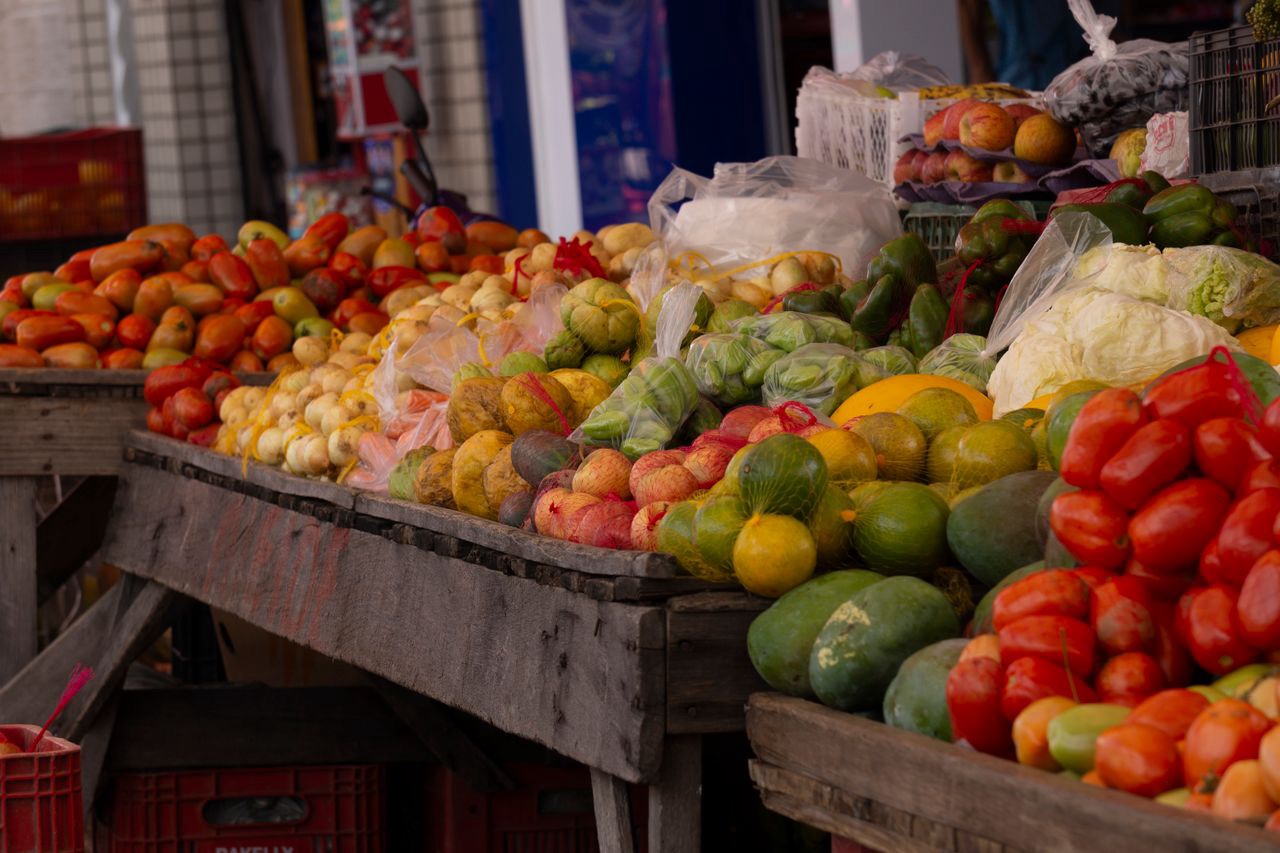
The safest produce habits are washing under cold running water without soap, drying thoroughly, keeping produce away from raw meat, refrigerating cut produce promptly, and checking FDA recall alerts, since no amount of washing reliably removes Cyclospora once produce is already contaminated.
I’ve been paying closer attention to my own kitchen habits since the Cyclospora outbreak tied to iceberg lettuce made headlines this July. As of late July 2026, the CDC and FDA have linked at least 1,947 cases across 9 states to iceberg lettuce from Taylor Farms de Mexico, with the illnesses connected to Taco Bell locations in several of those states. The investigation is still active, and that number has been climbing week to week.
What changed how I think about this is simple. Washing produce well is still worth doing every single day, but it will not reliably remove Cyclospora specifically.
The FDA says plainly that chlorine and routine sanitizing don’t kill this particular parasite. The habits below aren’t about scrubbing harder. They’re about the routine that protects you regardless of which outbreak is in the news.
Key Takeaways
- Washing removes a lot of everyday bacteria, but it will not reliably remove Cyclospora once produce is already contaminated
- The only thing that reliably kills Cyclospora is cooking to at least 158 degrees, which is why nearly every outbreak traces back to something eaten raw
- Checking recall alerts matters more than wash technique during an active outbreak like this one
- Rewashing bagged greens labeled “triple washed” can introduce more risk than it removes if your sink or colander isn’t clean
- One moldy berry means checking the whole container, not just picking around it
- Your produce brush and salad spinner need their own regular cleaning, which almost nobody does
Table of Contents
How to Wash Produce Safely
1. Wash Under Cold Running Water, Never Soap
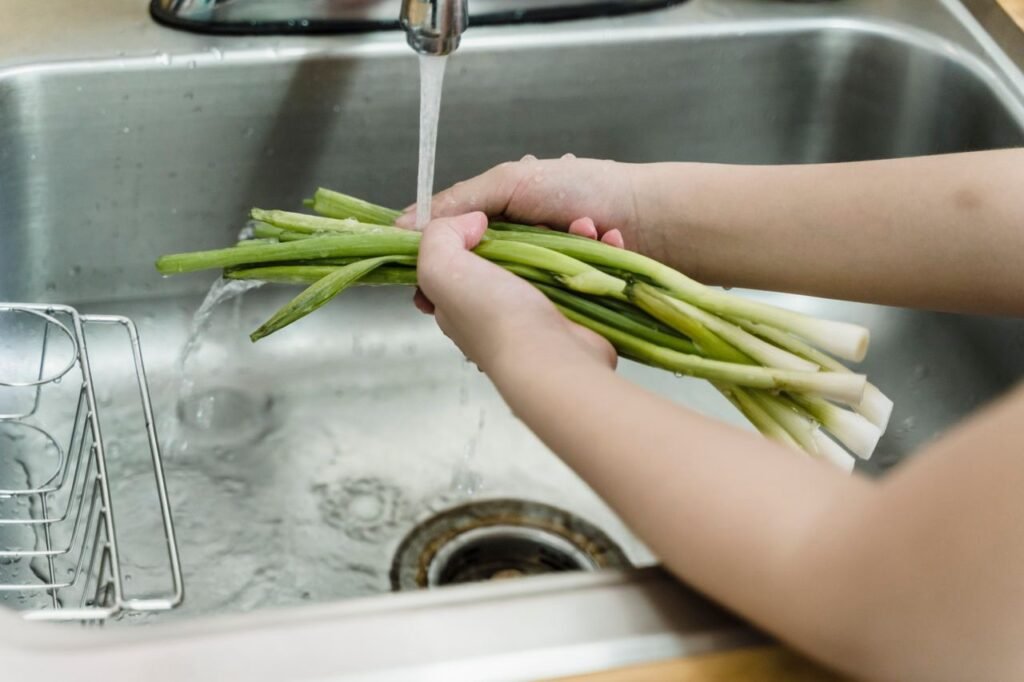
The FDA is specific about this one. Cold running water, no soap, no detergent, no commercial produce wash needed for it to count as washing. Soap and detergent can soak into produce and make you sick, since produce is porous in a way dishes aren’t.
I used to rinse my greens under a light trickle and call it done. Now I let the water run over everything for a real ten or fifteen seconds, and I rub firm produce like apples and cucumbers under the stream with my hands.
The one real gray area is pre-washed bagged salad labeled “triple washed” or “ready to eat.” The commercial wash those greens already went through is more thorough than what most of us do at the sink, and rewashing at home risks introducing bacteria from your own colander or sink rather than removing anything. I stopped rewashing mine for that exact reason.
I’ll be honest about the limits here too. None of this, not the running water, not a produce wash spray, touches Cyclospora specifically. The FDA states directly that chlorine and routine sanitizing don’t kill it. Washing still matters for the much more common bacteria like E. coli and Salmonella, just not for this particular parasite.
2. Use a Produce Brush on Anything Firm-Skinned
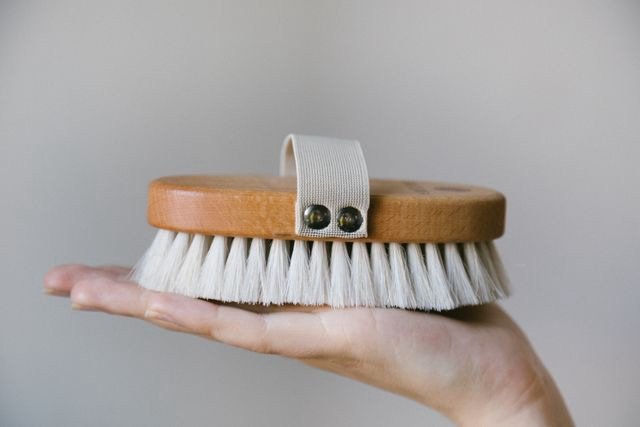
Melons, cucumbers, potatoes, and other firm produce need an actual brush, not just a rinse. The FDA specifically recommends this because a smooth rinse doesn’t reach into the ridges and stem ends where bacteria collects.
This matters even more than people realize for melons specifically. If you slice into an unwashed cantaloupe, the knife drags whatever was on the rind straight into the flesh you’re about to eat. I scrub melons like I’m scrubbing a dirty pan now, not a gentle wipe.
I keep an OXO produce brush by the sink specifically for this. It goes in the dishwasher, which matters, because a brush that never gets properly cleaned is doing half its job.
3. Dry Everything After You Wash It
Drying isn’t just about a soggy salad. Moisture left on produce gives any remaining surface bacteria a better environment to multiply in before it hits your fridge.
I used to skip this step entirely and just toss wet greens straight into a bag. Now I spin everything dry, and I noticed my lettuce lasts longer in the fridge too, which was a nice side benefit I wasn’t expecting.
My OXO salad spinner gets used almost daily, and I take the basket apart and scrub it now instead of just rinsing it and setting it to dry. I went years assuming a quick rinse was enough, until I finally pulled the basket apart and found grime in the seams I hadn’t been touching at all.
4. Handle Berries and Soft Produce Differently
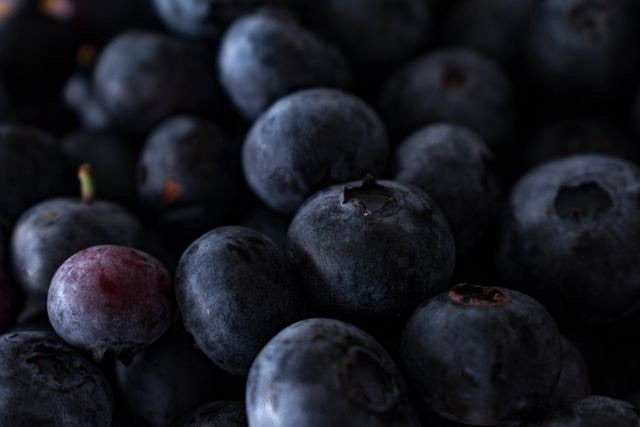
Berries can’t be scrubbed the way a cucumber can, so the habit here is different. Wash them right before you eat them, not right after you get home from the store, since the extra moisture from an early wash speeds up mold growth and shortens how long they last.
The one-moldy-berry question comes up constantly, and the real answer isn’t as simple as picking around the fuzzy one. Mold spreads through a shared container in ways you can’t see, so if you spot mold on more than a couple berries, I toss the whole thing rather than gambling on the rest.
For firmer produce like a bell pepper or a block of cheese, the USDA’s actual guidance is that you can cut away at least an inch around and below visible mold and keep the rest. Soft, high-moisture produce like berries, peaches, and tomatoes doesn’t get that same exception. Toss the whole piece if it’s moldy.
5. Keep Raw Produce Away From Raw Meat
This one is about cross-contamination, not the produce itself. Use a separate cutting board for produce than you use for raw meat, poultry, or seafood, and wash boards and knives in hot soapy water between uses rather than a quick rinse.
I didn’t think twice about cutting melon on the same board I’d just used for chicken until I pictured what that meant. Now I keep a color-coded cutting board set specifically so I’m not relying on memory mid-dinner-prep to remember which board did what.
Wash your hands with soap for a full 20 seconds before handling produce, and always again after touching raw meat before you go back to anything you’ll eat raw.
6. Refrigerate Cut Produce Promptly
Cut produce and anything that needs refrigeration shouldn’t sit out longer than 2 hours, or 1 hour if it’s above 90 degrees outside. Your fridge itself needs to hold at or below 40 degrees for any of this to matter.
I used to leave cut melon or a sliced tomato on the counter through a whole meal without thinking about the clock. Now I set a timer if I know I’m going to be distracted, since two hours goes by faster than it sounds like it should.
If you want to understand why some produce holds up in storage so much better than others, my guide to freezing 14 different foods gets into how fat and water content drive that, which is the same underlying reason cut produce is riskier at room temperature than whole produce.
7. Check Recall and Outbreak Alerts Before You Buy
This is the habit that matters most during something like the current outbreak, more than any washing technique. Since washing doesn’t reliably remove Cyclospora, the only real protection is knowing which specific product to avoid in the first place.
FoodSafety.gov keeps a running feed of active recalls and outbreaks, and it takes about thirty seconds to check before buying lettuce, herbs, or berries during a period like this one. I found out about a recall on something already sitting in my own fridge from a store text alert once, not because I checked myself, and that was the moment I started checking the feed regularly instead of assuming I’d hear about it somehow.
This habit is the one that outlives this specific outbreak. Cyclospora shows up seasonally most summers, tied to different produce nearly every time, which means the checking habit matters every year, not just this one.
Why the Checking Habit Matters More Than the Scrubbing
This outbreak has one wrinkle worth being straightforward about. An initial lab test on Taylor Farms lettuce came back positive for Cyclospora, and the FDA retracted that specific test result as a false positive on July 20.
That retraction did not clear the lettuce. The epidemiological and traceback evidence still points to it, and the recall and consumer advisory stayed in effect.
That nuance matters because it shows how this works. A lab result can be wrong while the broader investigation is still right, and no amount of home washing would have changed the outcome either way.
The six habits above are genuinely good practice against the bacteria you’re exposed to constantly. The recall-checking habit is what protects you against a parasite that technique alone can’t touch.
FAQ
Does washing produce protect against Cyclospora?
Not reliably. The FDA states that chlorine and routine sanitizing don’t kill Cyclospora, and cooking to at least 158 degrees is the only method confirmed to work. Washing still matters for other, more common bacteria.
Do I need to rewash bagged salad that says “triple washed”?
Generally no. The commercial wash those greens went through is already more thorough than a home rewash, and using your own sink or colander can introduce bacteria rather than remove any.
What should I do with a container of berries if one is moldy?
If mold shows up on more than a couple berries, throw out the whole container. Mold spreads through shared containers in ways you can’t see just by looking at the ones that look fine.
Is it safe to eat vegetables with mold cut off?
For firm produce like bell peppers or hard cheese, cutting away at least an inch around and below the mold is considered safe. Soft, high-moisture produce like berries, peaches, and tomatoes should be thrown out entirely if moldy.
How do I find out about a produce recall before I get sick?
Check FoodSafety.gov’s recall and outbreak feed, which takes under a minute and covers active FDA and USDA recalls. This matters most during an active outbreak like the current Cyclospora one, since avoiding the specific recalled item protects you more than any washing technique does.

Cynthia Odenu-Odenu is the founder of Cyanne Eats. A registered nurse with a passion for food, she brings the same attention to detail from her professional life into the kitchen. From chain restaurant rankings to grocery finds and easy recipes, Cynthia covers it all and helps everyday food lovers eat better and spend smarter.