
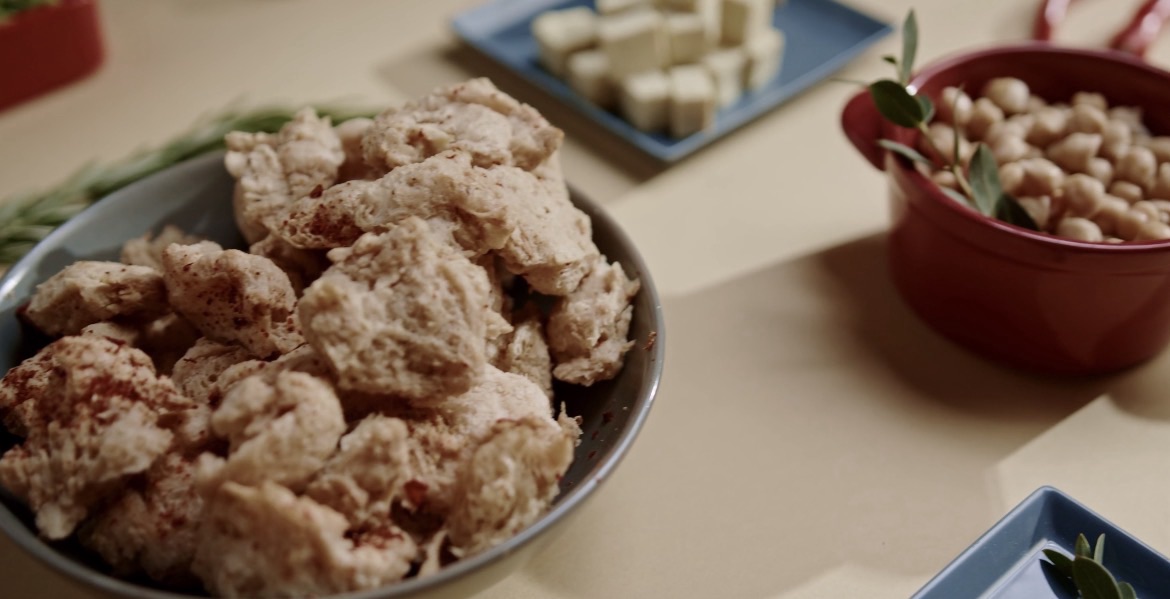
The best ground beef substitutes for winter meal prep, ground turkey, bison, a lentil blend, mushrooms, TVP, tempeh, tofu, and mashed beans, only work if you replace the fat and boost the seasoning that beef was quietly handling for you.
I meal prep every single Sunday for the week ahead, and ground beef got expensive enough last winter that I had to figure this out instead of just complaining about it. My first few attempts were rough. Dry turkey chili, bland bean sloppy joes, one memorably sad batch of meatballs that fell apart in the pan.
What I learned is that beef isn’t just protein. It’s fat that keeps things moist and flavor that seasons the whole dish without you doing much work. Every swap on this list needs both of those jobs covered some other way, and I’ll tell you exactly how for each one.
Key Takeaways
- Beef’s fat does two jobs at once, keeping things moist and carrying flavor, and every substitute here needs both replaced somehow
- Bison isn’t gamey. It’s milder than beef and needs more seasoning, not less
- A real mushroom-meat blend loses its mushroom flavor almost completely after a full simmer, it doesn’t just taste like mushrooms with extra steps
- TVP and other dry plant proteins need to be rehydrated with broth or tomato liquid, never plain water, or they taste like cardboard
- These reheat differently than straight ground beef. Lean and plant swaps need gentler reheating with a splash of broth, not a full-power microwave blast
- Each swap below is matched to one specific winter dish, not offered as a generic one-size-fits-all replacement
Table of Contents
The 8 Swaps at a Glance
| Swap | Best Winter Dish | Protein Level | Needs Added Fat |
| Ground turkey (93/7) | Chili | High | Yes, a little oil |
| Ground bison | Meatloaf | High | No, but needs more seasoning |
| Lentils blended with meat | Shepherd’s pie | Moderate | No |
| Mushroom-meat blend | Bolognese | Moderate | No, mushrooms add moisture instead |
| TVP (soy crumbles) | Tacos | High | Yes, oil since it has none naturally |
| Tempeh, crumbled | Stuffed peppers | High | No |
| Tofu, freeze-thaw method | Baked casserole | Moderate | No |
| Mashed chickpeas or black beans | Sloppy joes | Moderate | No |
The 8 Swaps
Ground Turkey (93/7), for Chili
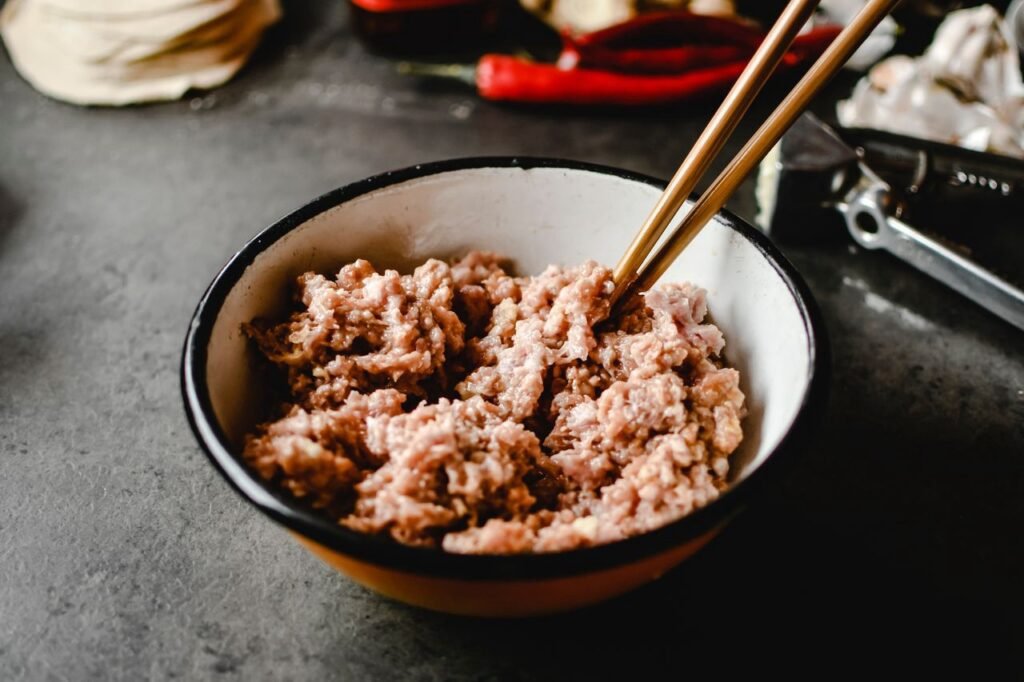
Ground turkey is the easiest swap on this whole list because 93/7 sits close enough to lean beef that it doesn’t need a personality transplant. Four ounces cooked runs around 160 calories, 22 grams of protein, and 8 grams of fat, which is enough fat to stay moist through a chili simmer without doing anything special.
The first time I made turkey chili, I skipped adding any oil back in and it came out dry and a little sad by the time it hit the fridge for meal prep. Now I add a couple tablespoons of oil when I brown it, and I season noticeably heavier than I would for beef since turkey carries less flavor on its own. A splash of Better Than Bouillon beef base stirred into the pot gives it back some of the savory depth beef would have brought on its own.
Reheating matters here too. I learned this the hard way after microwaving a meal-prepped batch too hot and too long, which dried out the edges before the center even warmed through. Now I reheat gently with a splash of broth stirred in, and it comes out fine through day four or five.
Ground Bison, for Meatloaf
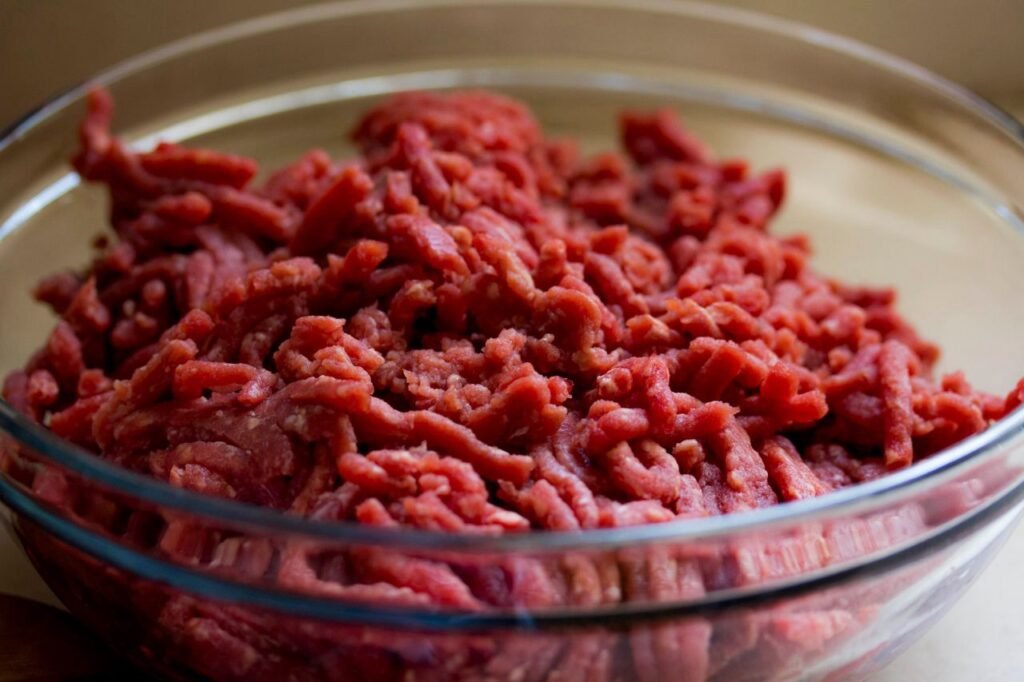
Bison surprised me. I expected something gamey and got something clean, almost mild, closer to beef than I thought a “wild” meat would be. Per 100 grams raw it runs about 146 calories, 20 grams of protein, and 7 grams of fat, leaner than standard 80/20 beef but not dramatically so.
Because it’s mild rather than gamey, bison meatloaf needs more seasoning than a beef version, not less. I season it like I’m making a beef meatloaf and then add another round of garlic, onion, and Worcestershire on top of that. A few drops of liquid smoke worked into the mix gives it a roasted depth that plain seasoning alone doesn’t quite reach.
Bison cooks faster than beef since it carries less fat, so I pull it from the oven a few minutes earlier than a beef meatloaf recipe calls for. Overcooking is the only real way to ruin this one.
Lentils Blended With Meat, for Shepherd’s Pie
This is the least dramatic swap here and also the easiest one to get right on the first try. I cook lentils separately, then mix them in at roughly a 50/50 ratio with whatever ground meat I’m using, usually turkey, before building the shepherd’s pie filling.
Lentils soak up whatever sauce and seasoning surrounds them, so I barely adjust my normal recipe at all. This is the one swap on this list where I don’t need a fat fix or a seasoning boost, since half the filling is still real meat doing that work.
Shepherd’s pie made this way holds up beautifully in the fridge for meal prep, five days easy, and I’ve frozen portions for two months without any texture change. If you want the classic all-beef version this is built on, my golumpki soup recipe uses ground beef the traditional way in a similar cold-weather, one-pot spirit.
Mushroom-Meat Blend, for Bolognese
The Blended Burger Project, a real competition the James Beard Foundation has run with the Mushroom Council since 2015 across more than a thousand restaurants, is built on exactly this idea: pulse mushrooms fine and blend them into ground meat at 25 to 50 percent by weight. The mushrooms bring moisture and umami without you tasting “mushroom” once it’s done.
I pulse cremini mushrooms in a food processor until they look like coarse meat crumbles, then sauté them alone first to cook off their water before mixing them raw into the ground meat. Skipping that sauté step is a mistake I made once, and the extra moisture kept the sauce thin for way too long. A little porcini mushroom powder stirred in alongside the fresh mushrooms pushes the umami even further without adding more volume.
The mushroom smell is strong while it’s raw, strong enough that I second-guessed myself the first time. After a full simmer it disappears almost entirely into the sauce, and what’s left just tastes like a richer, deeper bolognese.
TVP, for Tacos
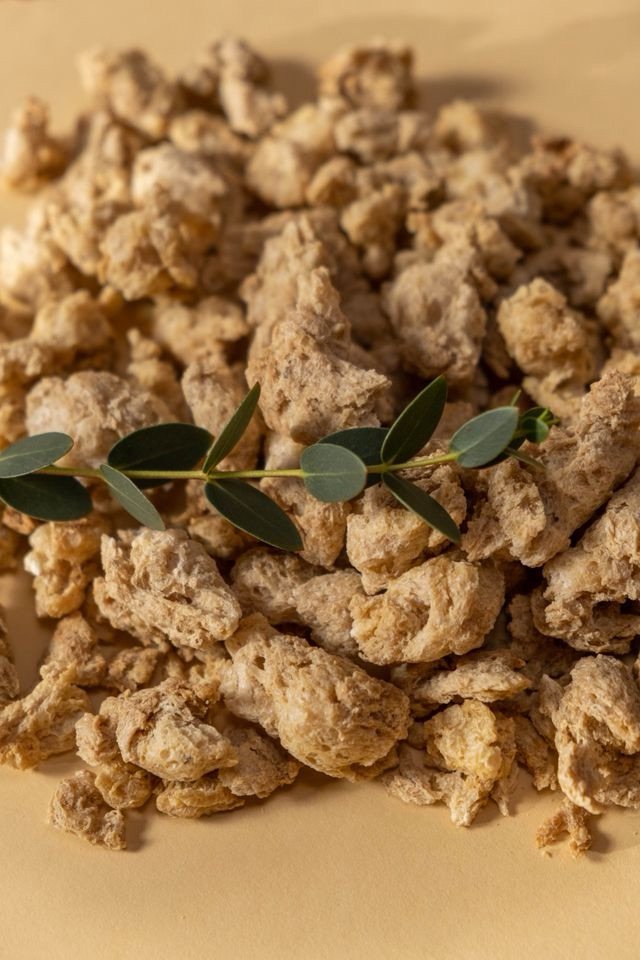
TVP behaves like a sponge. It has almost no flavor of its own, 12 grams of protein and zero fat per dry serving, so whatever liquid you rehydrate it in becomes the entire flavor of the dish.
I rehydrate it in hot broth or tomato juice, never plain water. The first time I used water because that’s what the bag suggested as a default, and the result tasted like flavorless cardboard crumbles no amount of taco seasoning could fully rescue afterward. Since it has zero natural fat, I add a tablespoon of oil when I “brown” it in the pan, since there’s no fat there to render on its own.
Bob’s Red Mill TVP is the brand I keep stocked since it’s shelf-stable for ages and doesn’t need refrigeration until it’s rehydrated. That alone makes it one of the easier pantry proteins to always have on hand for a last-minute taco night.
Tempeh, for Stuffed Peppers
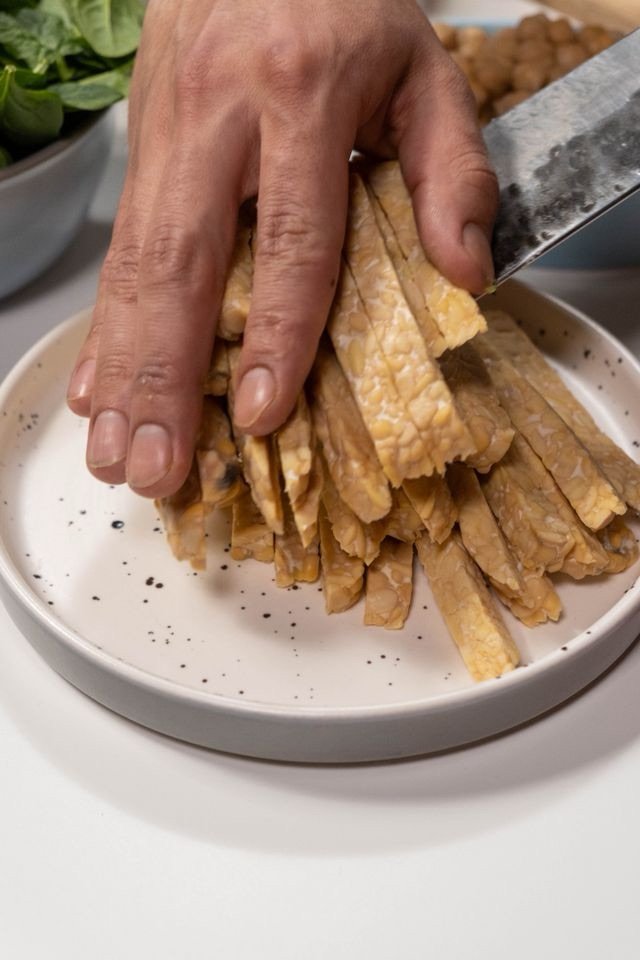
Tempeh is genuinely protein-competitive with lean ground beef, about 20 grams of protein per 100 grams, and its firm, slightly nutty texture holds up to the longer bake time stuffed peppers need better than tofu does. I steam it briefly first to mellow out its natural bitterness before crumbling it into the filling.
Because tempeh has an assertive, earthy flavor of its own, it needs bold aromatics to balance it out rather than just more salt. Garlic, cumin, and a little soy sauce do the job well. I season it more like I’m building a whole new flavor than trying to disguise it as beef.
Stuffed peppers made this way reheat cleanly through the week since tempeh’s dense structure doesn’t break down the way softer proteins do.
Tofu, for Baked Casserole
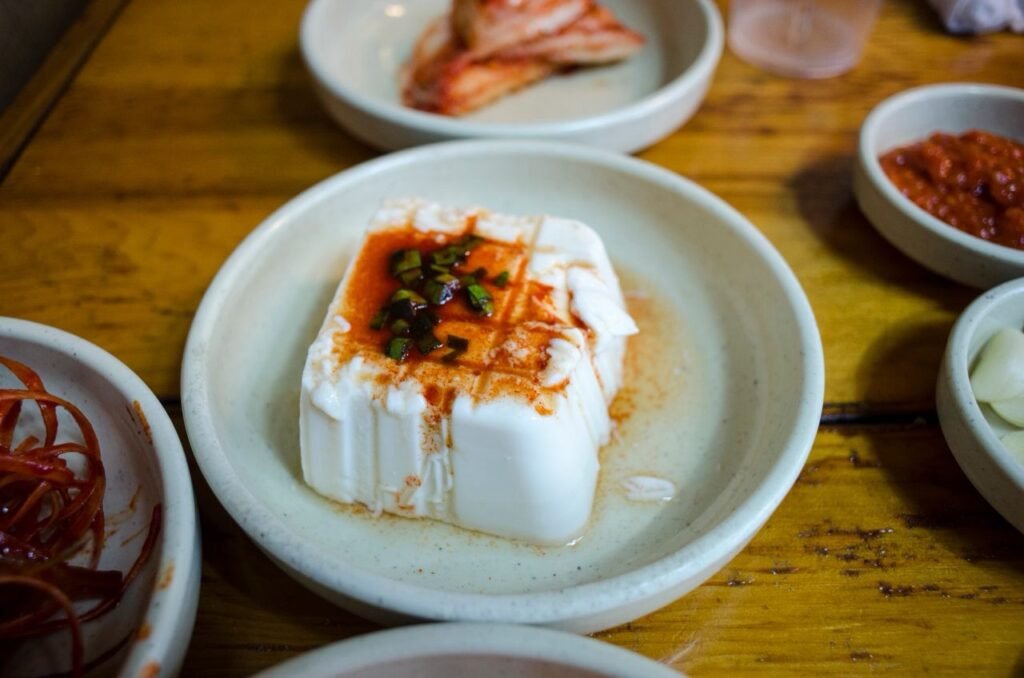
The trick that makes tofu work is freezing it first, right in the package, then thawing it completely before pressing and crumbling. Freezing forms ice crystals that turn the tofu into something porous and almost chewy instead of soft and bland, and it soaks up seasoning far better afterward.
I skipped the press step once and used tofu straight from the package in a taco filling, and the whole thing turned watery by the time it hit the table. Now I always press it, and for a baked casserole I bake the crumbled tofu on a sheet pan at 400 degrees for about 25 minutes first so it firms up and browns slightly before it ever goes into the dish.
Casseroles built this way freeze and reheat well specifically because the tofu was never wet to begin with. Skipping the freeze-thaw and press steps is the one shortcut on this whole list that ruins the final texture.
Mashed Chickpeas or Black Beans, for Sloppy Joes
Chickpeas mash to a texture that genuinely resembles ground meat crumble more than black beans do, though both work here. I mash them roughly with a fork, not into a puree, then pan-fry the mash in oil until the edges catch a little color before the sauce goes in.
Beans need noticeably more seasoning than a beef sloppy joe recipe calls for. The first batch I made tasted thin and a little too much like “beans in sauce” until I nearly doubled the chili powder and added a proper hit of Worcestershire and brown sugar.
Bean-based sloppy joes are the easiest thing on this whole list to meal prep. They hold their texture in the fridge for five days without turning mushy or breaking down further, which isn’t true of every swap here.
Why the Fat and Seasoning Gap Matters More Than the Swap Itself
Ground beef’s fat is doing two jobs at once, keeping the dish moist and carrying a lot of the flavor, so any leaner protein needs both of those covered some other way. That’s really the only rule connecting every swap on this list.
- Check the fat content of what you’re swapping in. Anything leaner than 90/10 beef needs a little oil added back during cooking
- Season heavier than your usual beef recipe, since beef itself was quietly contributing flavor you’ll need to replace
- Rehydrate any dry plant protein in broth or tomato liquid, never water
- Reheat gently with a splash of broth instead of blasting it on full microwave power
For the freezer side of meal prep specifically, how a food holds up depends a lot on its fat and water content to begin with, which is exactly why some of these swaps freeze better than others. My guide to freezing 14 different foods gets into that mechanism in a lot more detail if you want the full picture beyond just these eight proteins.
A digital kitchen scale makes portioning any of these into consistent meal-prep servings a lot faster than eyeballing it, and I store everything in glass containers like these since they go straight from freezer to microwave without a second thought.
Start With the One That Fits Your Week
If this is your first swap, start with the turkey chili or the lentil-meat blend in shepherd’s pie. Both are the most forgiving and the least likely to taste like a compromise. Ground beef has gotten expensive enough this winter that turkey, an easy budget swap on its own, is worth leaning on more than just here, and it’s the same reason I rely on it in my back-to-school lunch meal prep too.
Once you’ve got one of these down, the rest get easier because the underlying fix is always the same. Cover the fat, boost the seasoning, and rehydrate or reheat gently. That’s the whole system.
FAQ
What’s the easiest ground beef substitute to start with for winter meal prep?
Ground turkey (93/7) in chili or the lentil-and-meat blend in shepherd’s pie. Both are the most forgiving swaps and need the least technique correction to taste right.
Does ground bison taste gamey?
No, bison is milder than most people expect, closer to beef than to venison or other game meats. It needs more seasoning than beef, not a lighter hand, since the flavor is subtler.
Do plant-based products like Beyond Beef or Impossible work as well as whole-food swaps?
They come closest to beef’s exact texture and behavior in dishes like meatballs and bolognese, but whole-food swaps like lentils, beans, and mushrooms use fewer processed ingredients. Which one is “better” comes down to whether you’re prioritizing a near-identical result or a simpler ingredient list.
How do I keep lean ground turkey from drying out in meal prep?
Add oil back in when you brown it, season heavier than you would beef, and reheat gently with a splash of broth instead of full-power microwaving. Skipping any one of those three is usually what causes the dry, crumbly result people blame on turkey itself.
How long do these substitutes last in the freezer?
Cooked dishes made with any of these swaps hold up for about two to three months frozen, similar to regular ground meat dishes. Bean and lentil-based ones tend to hold their texture best of the group, while tofu needs the freeze-thaw-press method done right or it turns watery on reheat regardless of freezer time.

Cynthia Odenu-Odenu is the founder of Cyanne Eats. A registered nurse with a passion for food, she brings the same attention to detail from her professional life into the kitchen. From chain restaurant rankings to grocery finds and easy recipes, Cynthia covers it all and helps everyday food lovers eat better and spend smarter.