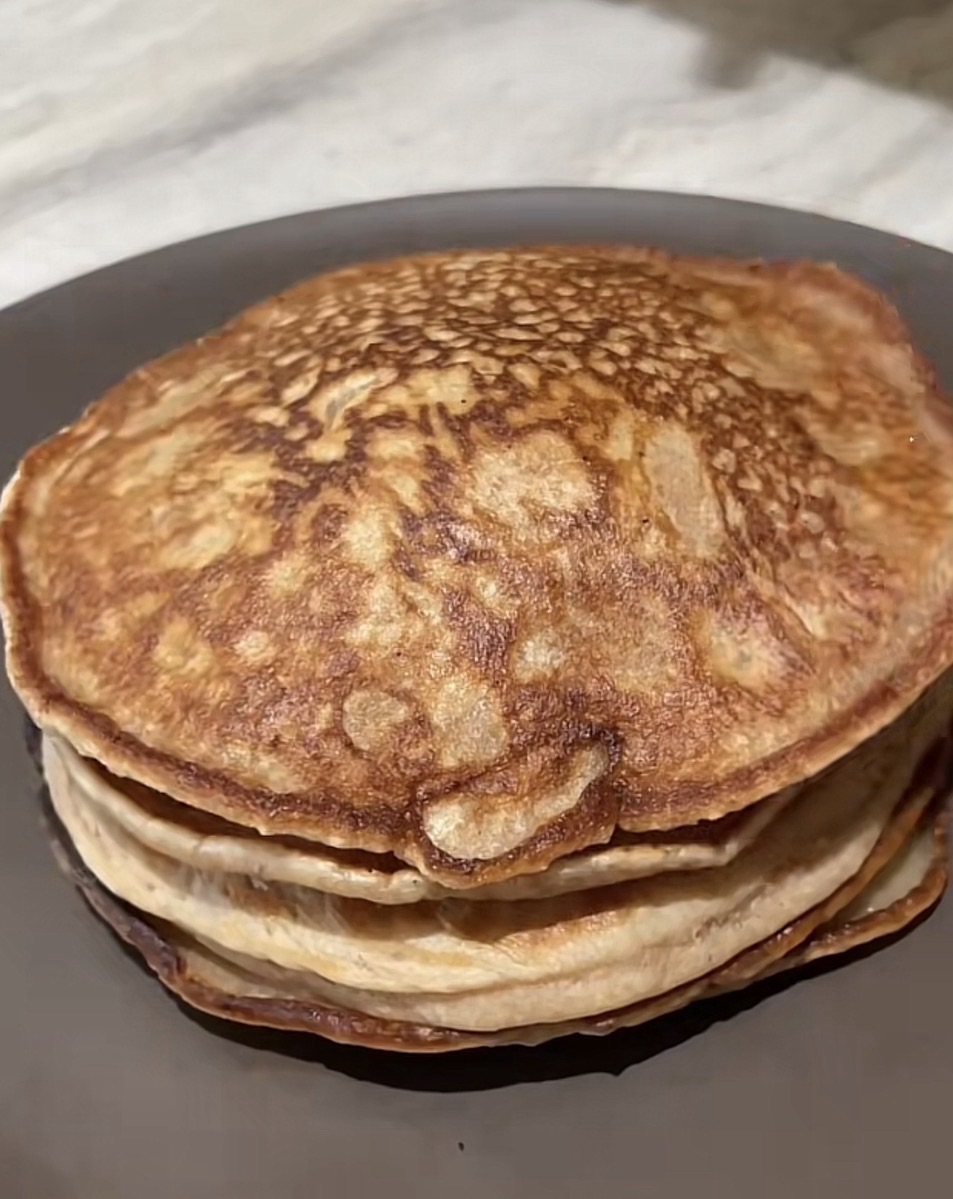
Mochi pancakes are fluffy Japanese-style pancakes made with mochiko sweet rice flour that gives them a chewy, bouncy interior and crispy lacy edges you cannot get from regular wheat-flour pancakes.
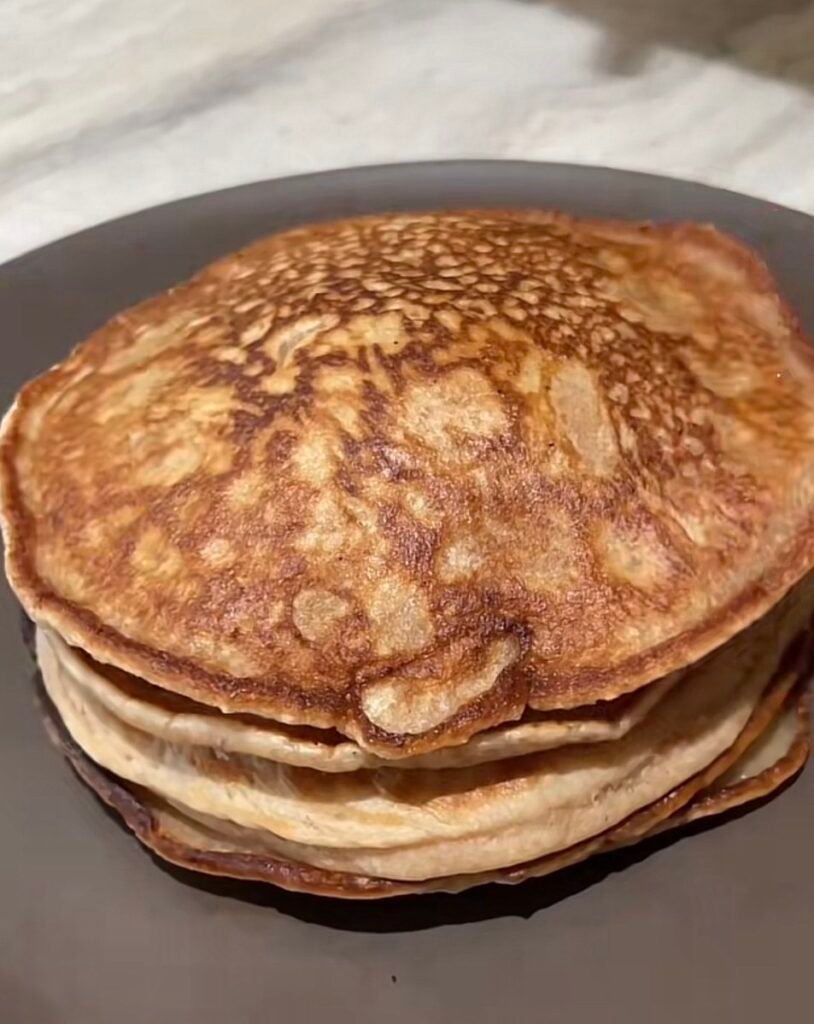
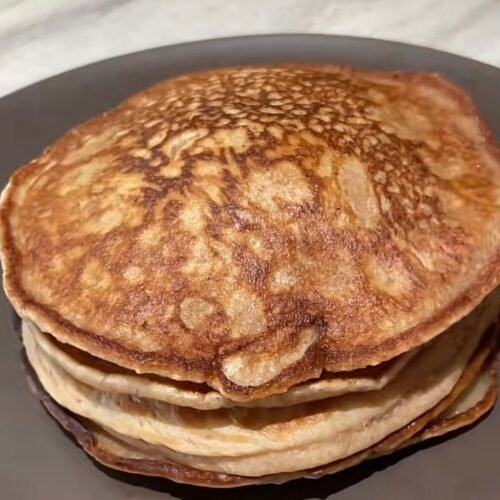
I made these for the first time expecting something close to a regular pancake with a slight chew. What I got was completely different, softer, stretchier, with these gorgeous golden-lace edges that crisp up in the butter. They taste like someone crossed a mochi ball with a brunch pancake, and the texture is addictive.
The key is mochiko. Not rice flour, not gluten-free all-purpose. Mochiko sweet rice flour is what makes the texture work, and I will walk you through exactly why and how to use it.
Table of Contents
Key Takeaways
- Mochiko (sweet rice flour) is non-negotiable, regular rice flour makes crumbly, dry pancakes, not chewy ones
- The best ratio for a balanced chewy-fluffy pancake is 1 cup mochiko to 1 cup all-purpose flour
- Medium-low heat is the rule, mochiko burns faster than wheat flour so you need patience here
- Rest the batter 10 to 15 minutes before cooking so the mochiko fully hydrates
- These firm up as they cool because of how the starch behaves, so serve them hot or reheat in a buttered skillet
What Makes Mochi Pancakes Different
Regular pancakes get their texture from gluten and baking powder working together. Mochi pancakes use mochiko, which is made from glutinous short-grain rice. It has almost no gluten, so it does not build the same fluffy crumb structure.
What it does instead is gelatinize when it hits heat and liquid. That creates a stretchy, bouncy texture from the inside out. The edges where the batter meets butter in the pan fry up thin and crispy, almost like a rice cracker border around a soft chewy center.
They are also naturally gluten-free if you skip the all-purpose flour and go full mochiko. That version is denser and chewier, more dessert-like than brunch-like. Both are worth knowing.
The Mochiko Ratio Guide
This is the section I wish every mochi pancake recipe included. The amount of mochiko you use completely changes what you get.
More all-purpose flour means a lighter, fluffier, more traditional pancake feel with a hint of chew. More mochiko means a denser, stretchier, more mochi-forward texture. Here is how to think about it:
25% mochiko to 75% AP flour gives you a barely-there chew, good if someone at the table is skeptical. 50/50 is the sweet spot for brunch: fluffy enough to stack, chewy enough to be interesting. 75% mochiko to 25% AP is noticeably stretchy and rich, almost dessert territory. 100% mochiko is fully chewy and dense, best served with sweet toppings and eaten warm.
I use the 50/50 blend for this recipe. It is the one that works for every occasion.
Ingredients
- 1 cup mochiko sweet rice flour (Koda Farms Blue Star is the one to get)
- 1 cup all-purpose flour
- ¼ cup granulated sugar
- 2 teaspoons baking powder
- ¼ teaspoon salt
- 2 large eggs
- 1 to 1¼ cups whole milk
- 2 tablespoons melted butter, plus more for the pan
- 1 teaspoon vanilla extract
Makes about 8 pancakes, 4 inches each.
Instructions
1. Mix dry ingredients first.
Whisk together the mochiko, all-purpose flour, sugar, baking powder, and salt in a large bowl. Make sure there are no clumps in the mochiko, it can pack down in the box.
2. Add wet ingredients and mix gently.
In a separate bowl or large measuring cup, whisk together the eggs, 1 cup of milk, melted butter, and vanilla. Pour the wet ingredients into the dry and stir until just combined. Do not overmix. A few streaks are fine. Overmixing mochiko batter makes the pancakes gummy and tough.
3. Rest the batter.
Let the batter sit for 10 to 15 minutes at room temperature. This step lets the mochiko absorb the liquid fully and makes a big difference in texture. If the batter looks too thick after resting, stir in the extra ¼ cup of milk one tablespoon at a time.
4. Heat the pan.
Set a nonstick skillet over medium-low heat. Add about half a teaspoon of butter and swipe it around the pan with a folded paper towel so the surface is lightly coated with no puddles.
5. Cook the pancakes.
Pour about ¼ cup of batter per pancake. Do not crowd the pan. Cook 2 to 3 minutes on the first side without touching them, you want the edges to look dry and set before you flip. Flip gently and cook another 2 minutes. The edges should be golden and lacy. If they are browning too fast, lower the heat.
6. Serve immediately.
These are best hot off the pan. If you are making a full batch, hold them in a single layer on a baking sheet in a 200°F oven while you finish cooking.
Why They Go Wrong (And How to Fix It)
Gummy in the middle: Almost always a heat issue. If the outside is done but the inside feels raw and gummy, the pan was too hot. The mochiko needs time to fully cook through. Lower the heat and cook longer.
Burnt outside, raw inside: Same problem, heat too high. Mochiko’s starch and sugar content burns much faster than wheat. Medium-low is not a suggestion.
Rubbery texture: Overmixing. Once you combine wet and dry, stir only until incorporated. Stop the moment it comes together.
Too flat: Old baking powder or batter that is too thin. Test your baking powder in hot water, if it does not bubble, replace it.
Sticking to the pan: Not enough butter, or the pan is too hot. Wipe in fresh butter between each batch.
The Ube Version
Ube mochi pancakes are the most popular variation right now, and they are easy to make. Add 1 teaspoon of ube extract to the wet ingredients before mixing. The batter turns a deep purple and the flavor is sweet, vanilla-adjacent, and slightly nutty.
McCormick makes a ube flavor extract that works well here and is easy to find. A few drops is enough for color. A full teaspoon gives you real ube flavor. Pair the finished pancakes with condensed milk or coconut whipped cream.
Topping Ideas
The classic move is maple syrup and butter, and it works. But mochi pancakes can go in more interesting directions if you want them to.
Sweetened condensed milk is my favorite, it pools in the crispy edges and makes every bite richer. Matcha butter (softened butter mixed with a pinch of matcha and powdered sugar) is a brunch move that looks impressive and takes one minute.
Fresh strawberries with whipped cream is the safe crowd-pleaser. If you want the full Japanese treatment, drizzle of kuromitsu (black sugar syrup) with a dusting of kinako (roasted soybean powder) is worth hunting down.
Make-Ahead and Storage
The batter keeps in the fridge for up to 2 days. Stir well before using and thin with a splash of milk if needed.
Cooked pancakes keep at room temperature for a day or in the fridge for up to 4 days. Freeze them cooled and parchment-layered in a zip bag for up to 3 months.
To reheat: a buttered nonstick skillet on medium-low for 1 to 2 minutes per side is the best method. It brings the crispy edges back. A toaster oven works for frozen ones. The microwave softens them but will not restore the crust, and anything over 30 seconds makes them tough.
Conclusion
Mochi pancakes are one of those recipes that genuinely changes what you expect from brunch. The texture is unlike any regular pancake, and once you understand the mochiko ratio and the heat rules, they are easy to get right every time. I love making these alongside my Carrot Cake Pancakes for a full spread, or using both as the star of a Breakfast Grazing Board for Mother’s Day. The chewy-fluffy contrast between the two pancakes on one plate is really something.
FAQ
Can I use regular rice flour instead of mochiko?
No. Regular rice flour is made from non-glutinous rice and produces a crumbly, dry pancake with no chew. You need mochiko or another sweet glutinous rice flour specifically.
Why do my mochi pancakes get hard after they cool?
Mochiko starch sets firm as it cools, this is normal and not a mistake. Reheat them in a buttered skillet on medium-low and they come back to their original soft, chewy texture.
Can I make these gluten-free?
Yes. Replace the all-purpose flour with more mochiko for a 100% mochiko version. The pancakes will be denser and chewier, so serve them smaller and with plenty of toppings.
Mochi Pancakes Recipe
Ingredients
- 1 cup mochiko sweet rice flour
- 1 cup all-purpose flour
- ¼ cup granulated sugar
- 2 tsp baking powder
- ¼ tsp salt
- 2 large eggs
- 1 to 1¼ cups whole milk
- 2 tbsp melted butter, plus more for pan
- 1 tsp vanilla extract
Instructions
- Whisk together mochiko, all-purpose flour, sugar, baking powder, and salt in a large bowl.
- In a separate bowl, whisk eggs, 1 cup milk, melted butter, and vanilla. Pour into dry ingredients and stir until just combined. Do not overmix.
- Rest batter 10 to 15 minutes. Thin with remaining milk if needed.
- Heat nonstick skillet over medium-low. Lightly coat with butter.
- Pour ¼ cup batter per pancake. Cook 2 to 3 minutes until edges look dry, flip, cook 2 minutes more.
- Serve immediately or hold in a 200°F oven until ready.
Notes

Cynthia Odenu-Odenu is the founder of Cyanne Eats. A registered nurse with a passion for food, she brings the same attention to detail from her professional life into the kitchen. From chain restaurant rankings to grocery finds and easy recipes, Cynthia covers it all and helps everyday food lovers eat better and spend smarter.