
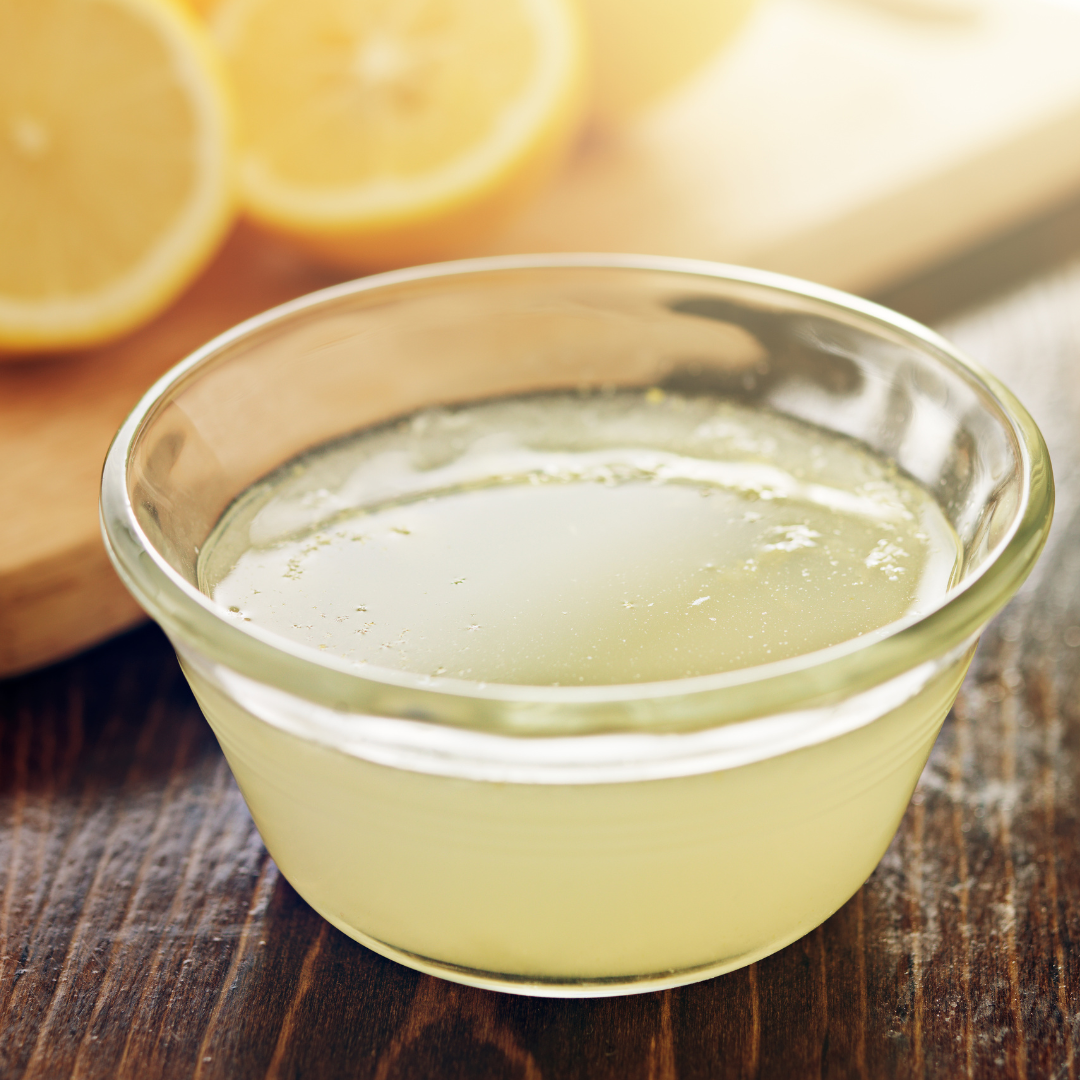
Limeade and lemonade are both citrus-based drinks made from juice, water, and sweetener, but limeade is tangier and slightly bitter from lime zest, while lemonade is sweeter and brighter. Both are refreshing, tart, and great for quenching thirst on a hot day, but they land in noticeably different places on the sweet-to-tart spectrum.
This article breaks down the differences between limeade and lemonade in taste, nutrition, and how each is used, so you can figure out which one fits what you’re making.
Key Takeaways
- Limeade is tangier and slightly more bitter; lemonade is sweeter and more familiar-tasting.
- Both are good sources of vitamin C, but limeade tends to run a bit lower in calories and sugar since limes are less sweet than lemons.
- Lemonade is more commonly used as a base for other flavored variations, like strawberry or raspberry lemonade.
- Which one is “better” really comes down to personal taste. Try both and see which you reach for.
Table of Contents
What is Limeade?

Limeade combines the tart juice of freshly squeezed limes with water and sweetener for a bright, refreshing drink with citrusy notes.
It’s usually served over ice, making it a great choice for hot summer days or any time you want a burst of flavor. Enjoy it on its own, mixed with other juices or fruit, or spiked with a splash of your favorite spirit.
What is Lemonade?

Lemonade is made from freshly squeezed lemon juice, water, and sweetener, with the tartness of lemons balanced by the sweetness of sugar or another sweetener.
It’s typically served over ice, and you can make it with still or sparkling water, or flavor it with mint, berries, or herbs for extra depth. Lemonade works well on its own, as a cocktail mixer, or as a base for other drinks.
Limeade vs Lemonade: Which is better?
Both are great beverages in their own right, and choosing between them largely comes down to personal preference. Here are the key points of comparison:
- Taste: Limeade has a tangy, slightly bitter flavor with a hint of sweetness, while lemonade is typically sweeter with a more pronounced sourness. Some people prefer limeade’s zesty edge, others prefer lemonade’s sweetness.
- Nutritional Content: Both are good sources of vitamin C. Limeade has slightly fewer calories and less sugar than lemonade, since limes are generally less sweet than lemons, and it can also contain higher levels of potassium and magnesium.
- Versatility: Lemonade is more commonly used as a base for other flavors, like strawberry or raspberry lemonade. Limeade is used this way less often, but it still works well mixed with other ingredients.
- Availability: Lemonade is more widely available across commercial brands and is popular in many countries. Limeade tends to be less common and may take more effort to find or make at home.
- Cultural Preferences: Regional availability plays a role too. Limeade tends to be more common where limes are grown locally, while lemonade dominates where lemons are more prevalent.
The choice between limeade and lemonade comes down to taste preference, nutrition, availability, and what you’re using it for. Both have their merits, so it’s worth trying both and deciding which one you reach for.
Health Benefits of Limeade

Limeade offers a few potential health benefits:
- Vitamin C from the zest and juice: Much of a lime’s vitamin C sits close to the peel, so limeade made with a little grated zest stirred in packs more of it than juice alone.
- Lower sugar per glass: Because limes are more tart than lemons, most limeade recipes use less sweetener to balance it out, so a glass often has less added sugar than the same size glass of lemonade.
- Flavonoid compounds: Limes contain flavonoids like naringin and hesperidin, plant compounds studied for their antioxidant activity.
- Better iron absorption: Drinking limeade with a plant-based meal can help your body absorb more non-heme iron from foods like beans, lentils, and spinach.
- Electrolyte balance: Lime juice contains potassium, magnesium, and calcium, minerals that support proper muscle and nerve function.
- Lower glycemic profile: A simple limeade made with just lime juice, water, and a light hand on the sweetener stays on the lower end of the glycemic scale, which is worth knowing if you’re watching blood sugar.
Health Benefits of Lemonade

Lemonade offers a similar set of potential health benefits:
- Higher vitamin C content: Lemons typically carry more vitamin C per fruit than limes, so a glass of lemonade can be a meaningfully bigger dose of it.
- Pectin from the pulp: Leave a bit of pulp in your lemonade and you get some pectin, a soluble fiber that can support gut health.
- Citric acid content: Some research points to the citric acid in lemon juice helping lower the risk of certain kidney stones by raising citrate levels in urine.
- Potassium content: Lemons carry a decent amount of potassium, a mineral that supports healthy blood pressure and muscle function.
- Skin-supporting antioxidants: The vitamin C in lemon juice plays a role in collagen production, which supports skin health over time.
- Natural breath freshener: The acidity and citrus oils in lemon juice can temporarily neutralize odors, part of why lemon water is such a popular morning ritual.
Limeade vs Lemonade Taste
Limeade has a tangy, tart taste with a slightly bitter undertone, since limes are known for their sourness. It’s usually sweetened with sugar or another sweetener to balance that out, resulting in a zesty, refreshing flavor.
Lemonade is usually sweeter and less tart. Lemons have a similar sourness to limes but contain more natural sugars, so lemonade lands with a pleasant balance of sweetness and tartness.
Both can be adjusted for sweetness and tartness to suit your taste, so the exact flavor really comes down to the recipe and your personal preference.
Is Limeade Better Than Lemonade?

Whether limeade or lemonade is “better” is subjective and comes down to personal taste. Both are made by combining freshly squeezed citrus juice with water and sweetener, and both work well as a cold, thirst-quenching drink or a cocktail mixer.
Limeade tends to be tangier and more tart than lemonade, sometimes with a faint bitterness from the lime zest that gives it a unique edge. Lemonade is usually brighter and has a more familiar, classic taste.
Some people prefer limeade’s tangy tartness, others prefer lemonade’s sweetness. It comes down to personal preference, plus factors like ingredient availability, cultural preference, and dietary needs.
My Take
Both limeade and lemonade fit into a balanced diet, as long as I’m mindful of sugar and moderation. Honestly, I reach for limeade when I want that tangy, almost bitter edge, and I pour lemonade when I’m in the mood for something sweeter and more familiar. I keep a pitcher of one or the other in my fridge most of the summer, and I’d tell you to just make both and see which one you grab first.
FAQs
Are Limeade and Lemonade the Same?
No, limeade and lemonade are similar, but they are not the same. Both are citrus-based beverages made with freshly squeezed juice from limes or lemons, water, and sweeteners. However, there are some differences between them in terms of taste, acidity, and aroma.
The main difference is the type of citrus fruit used. Limeade is made with limes, which are smaller and typically more acidic compared to lemons. Limes have a tangy and tart flavor that can be slightly bitter, which gives limeade a unique taste profile. Lemonade is made with lemons, which are larger and usually sweeter than limes, with a bright and familiar citrus taste and slightly less tartness.
The color also differs. Limeade is typically pale green from the natural color of limes, while lemonade is usually light yellow. The exact color can vary depending on how much juice is used and any additional ingredients.
How to Make Sonic Limeade?
To make a Sonic-style limeade at home:
1. Gather fresh limes, cold water, granulated sugar or simple syrup, ice cubes, and lime slices for garnish.
2. Squeeze the limes to get about 1/2 cup of lime juice.
3. Combine the lime juice with about 4 cups of cold water in a pitcher.
4. Add granulated sugar or simple syrup to taste, starting with about 1/2 cup, and stir to combine.
5. Add ice cubes to the pitcher to chill the limeade.
6. Pour into glasses filled with ice and garnish with lime slices.
7. Give it a final stir to blend the flavors before serving.
Can I Drink Limeade Daily?
Yes, you can, but moderation is key, as with any food or beverage. Limeade can be enjoyed as part of a balanced diet and a healthy lifestyle, but it’s important to consider the overall nutritional content and sugar intake.
Limeade is typically high in natural sugars from freshly squeezed lime juice and any added sweeteners, which can contribute to excess calorie consumption and potential negative impacts on health, such as weight gain and dental issues. Over time, overconsumption of acidic beverages like limeade can lead to dental erosion.
If you’re considering drinking limeade daily, it’s worth being mindful of your sugar intake and overall dietary habits. It’s generally best to limit added sugars and choose natural, whole foods whenever possible. If you drink limeade daily, consider using minimal or no added sweeteners, and opt for freshly squeezed lime juice with water and ice to minimize sugar content.
As with any dietary decision, it’s always best to consult a healthcare professional or a registered dietitian to determine what’s appropriate for your health needs and goals.

Cynthia Odenu-Odenu is the founder of Cyanne Eats. A registered nurse with a passion for food, she brings the same attention to detail from her professional life into the kitchen. From chain restaurant rankings to grocery finds and easy recipes, Cynthia covers it all and helps everyday food lovers eat better and spend smarter.