
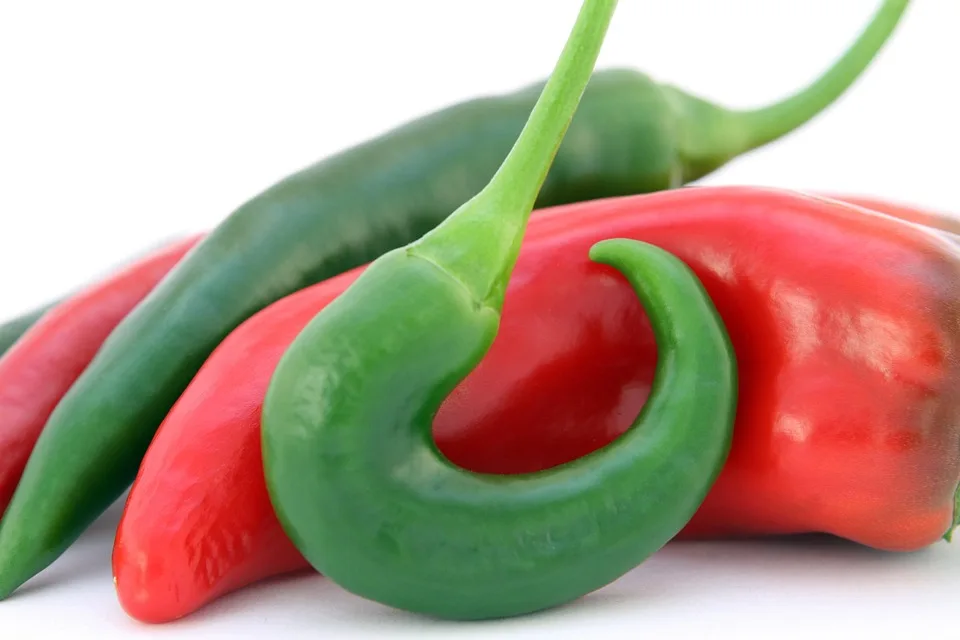
The best substitutes for jalapeños are serrano peppers, Fresno peppers, and poblano peppers, since they’re closest in flavor and heat, though the right pick really depends on how much spice you’re after. There are plenty of other options too, from mild bell peppers to fiery habaneros, so there’s a substitute out there for pretty much every taste preference.
Serrano peppers have a similar heat level to jalapeños with a bright, fresh flavor that works great in salsas, marinades, and hot sauces. Poblano peppers are milder but have a rich, smoky flavor that’s perfect for stuffing or roasting. Don’t be afraid to get creative with these substitutes and add some heat to your meals.
Key Takeaways
- Serrano peppers are the closest match to jalapeños in heat and flavor, so swap them in at roughly a 1:1 to 2:1 ratio.
- For a milder dish, reach for poblano, Anaheim, banana, or bell peppers instead.
- For more heat than jalapeños, go with Fresno, cayenne, or habanero peppers, and start small since habaneros are much hotter.
- Chipotle peppers are smoked jalapeños, so they’re the best choice when a recipe wants that smoky flavor along with the heat.
Table of Contents
What Are Jalapenos?
Jalapeños are a type of chili pepper that originates from Mexico, and they’re a popular ingredient in many cuisines around the world.
I’ll eat jalapeños any way I can get them: raw, cooked, pickled, or smoked. They’re a versatile ingredient that adds a delicious kick to my favorite foods, and I reach for them in everything from nachos to tacos, soups to stews.
Best Jalapeno Substitutes
1. Serrano Peppers

Serrano and jalapeño peppers have a comparable flavor profile and are frequently used in Mexican and Southwestern cuisine, with serranos being slightly spicier than jalapeños.
How many serranos you need depends on the recipe and your personal preference for heat. As a general rule, use about 1 to 2 serranos for every jalapeño called for, then adjust based on your own taste.
2. Poblano Peppers

Poblano peppers are a type of chili pepper that originated in the state of Puebla, Mexico. They’re large, dark green peppers with a mild to medium level of heat.
Poblanos are milder than jalapeños. Poblano peppers typically rate between 1,000 and 1,500 Scoville units, while jalapeños typically range from 2,500 to 8,000 Scoville units on the scale that rates pepper spiciness.
Poblano peppers work in most recipes that call for jalapeños. Roast them, dice them, chop them, or slice them, and add them to salsas, sauces, stews, and other dishes. They’re also commonly used to make chiles rellenos, a popular Mexican dish where the peppers are stuffed with cheese or meat.
3. Anaheim Peppers

Anaheim peppers are milder than jalapeños but can still add a slight kick of heat to dishes. They’re named after the city of Anaheim, California, where they were first grown commercially in the early 1900s.
They work fresh or roasted, and they’re often used in dishes like salsa, guacamole, and chili. Anaheim peppers are a great way to add flavor and heat to your dishes while keeping the spiciness mild.
4. Cayenne Pepper

Cayenne pepper belongs to the nightshade family, which also includes tomatoes, potatoes, and eggplants, and it was named after the city of Cayenne in French Guiana. It’s made by drying and grinding the red, spicy chile peppers of the Capsicum annuum plant.
Cayenne is a popular substitute for jalapeños in salsas, chili, and hot sauces. It also works in dry rubs for meats or sprinkled over roasted vegetables for added heat.
5. Chipotle Peppers

Jalapeños are smoked and dried to create chipotle peppers, which have a smoky, slightly sweet taste. That makes them a great jalapeño substitute in dishes that call for a smoky or barbecue-like flavor.
Chipotle peppers work in many of the same dishes as jalapeños, like guacamole, salsas, and chili. They’re also great in sauces, marinades, rubs for meats, and soups and stews.
6. Habanero Peppers

Habanero peppers are much hotter than jalapeños, so they’re a good substitute when you want a spicier, fruitier flavor. It’s crucial to scale back the amount you use, remove the seeds and membranes to cut some of the heat, and stick to dishes like spicy sauces, marinades, and salsas where that intensity fits.
Start with a small amount and increase gradually until you hit the heat and flavor you want. Wear gloves and avoid touching your face when handling habaneros since their heat level is no joke.
7. Cubanelle Pepper

When a milder taste is what you’re after, cubanelle peppers work well in place of jalapeños. You’ll need to adjust the quantity since cubanelles are less spicy.
Swap them in equal amounts, or use a bit more if you want extra spice. Roasting or grilling cubanelle peppers before using them boosts the flavor. They work in salsa, chili, and other dishes that call for jalapeños.
8. Banana Peppers

Banana peppers are much milder than jalapeños. Banana peppers have a Scoville Heat Unit range of 0 to 500, while jalapeños range from 2,500 to 8,000.
Banana peppers work well stuffed, pickled, grilled, roasted, or chopped into salsas, salads, and sandwiches. They’re also a popular pizza topping.
Jalapeños have a unique earthy, spicy flavor, while banana peppers are sweet with a slight tang. They may not bring the heat, but they still give a dish a pleasing taste and texture.
9. Aleppo Peppers
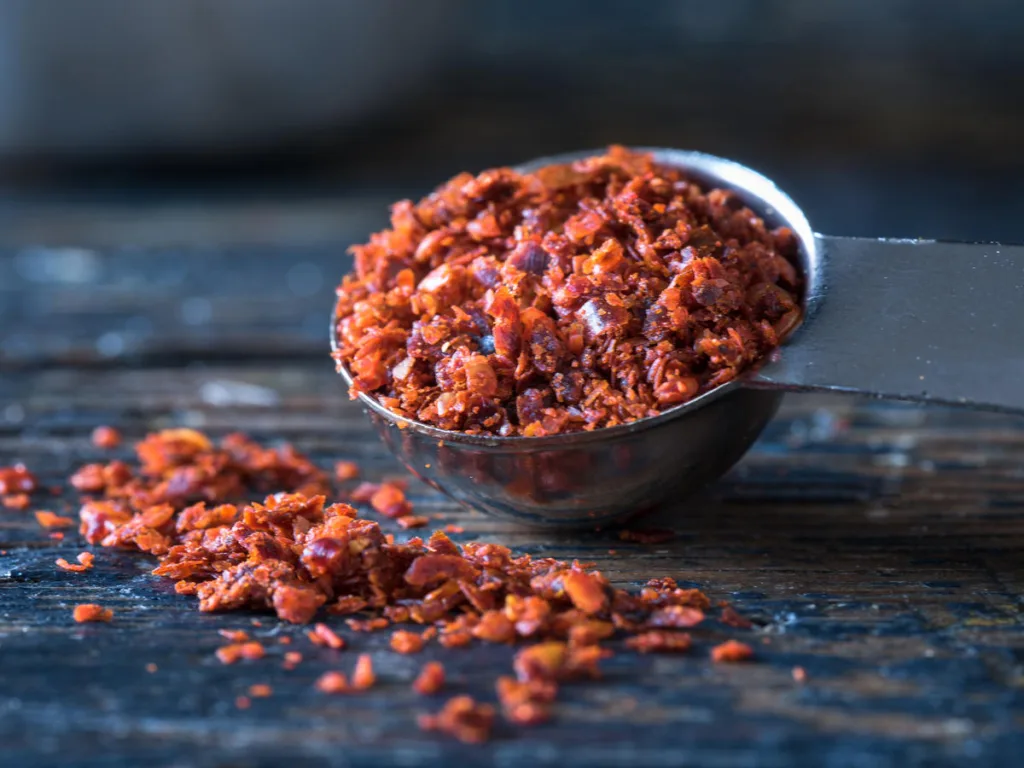
These peppers are popular in Middle Eastern and Mediterranean cuisine. They’re known for mild to moderate heat, a fruity flavor, and a slightly smoky aroma.
Aleppo peppers work in soups, stews, marinades, and sauces. Use them as a spice rub for meat, or sprinkle them over pizza, salads, and roasted vegetables.
10. Bell Peppers

Bell peppers and jalapeños are both members of the same plant family, Capsicum annuum, but they have very different heat levels and flavor profiles. Jalapeños bring the spicy kick, while bell peppers are mild and sweet.
Keep texture in mind when swapping in bell peppers. Jalapeños are usually chopped or diced, while bell peppers are often sliced into larger pieces or strips, so you may need to adjust the size and shape to match the recipe.
Bell peppers are a great choice if you want a milder flavor. The variety you choose matters: green bell peppers are the least sweet and most bitter, while red bell peppers are the sweetest. Size matters too, since jalapeños are small and narrow while bell peppers are larger and rounder.
11. Fresno Pepper

Fresno peppers are a popular jalapeño substitute, particularly in Mexican and Southwestern cuisine. They’re slightly hotter than jalapeños, with a Scoville heat rating of 2,500 to 10,000 compared to the jalapeño’s 2,500 to 8,000.
Fresno peppers work well in salsas, hot sauces, and marinades. They can also be roasted, grilled, or sautéed and used as a topping for tacos, burgers, or other dishes.
12. Green Chillies

Green chilies are typically longer and narrower than jalapeños, with a slightly curved shape. They’re usually pale green when fresh and can mature to a bright red or yellow color.
The heat level of green chilies varies by variety, but they’re typically less hot than jalapeños. The most popular type, the Anaheim chili, is much milder than jalapeños, which sit at 2,500 to 8,000 on the Scoville scale.
Green chilies are common in Mexican and Southwestern cuisine, where they get added to salsas, stews, enchiladas, and other dishes. Use them fresh, roasted, or canned.
My Take
I keep a few of these substitutes in my back pocket for whenever I want more heat in a recipe, or my grocery store is simply out of jalapeños. I usually reach for Fresno peppers when I want something slightly sweeter and hotter, and green chilies when I want to keep things mild. I’ve experimented with nearly every pepper on this list, and my advice is to do the same until you land on what suits your palate best. Happy cooking!
FAQs

Cynthia Odenu-Odenu is the founder of Cyanne Eats. A registered nurse with a passion for food, she brings the same attention to detail from her professional life into the kitchen. From chain restaurant rankings to grocery finds and easy recipes, Cynthia covers it all and helps everyday food lovers eat better and spend smarter.