
Yes, coconut flour can go bad. Moisture exposure is the main cause, leading to clumping, discoloration, or a rancid smell, but stored airtight in a cool, dry spot, an unopened bag typically lasts about 6 to 12 months.
Going bad is a different question than whether it has expired. Expiring is about the date printed on the bag. Going bad is about whether the flour has actually spoiled, and that can happen before or after that date depending on storage. This article covers the spoilage side: what causes it, how to spot it, and how to store your flour so it never gets there. If you’re wondering whether flour past its printed date is still safe to use, that’s a related but different question I cover separately.
Coconut flour is a popular gluten-free flour made from ground coconut meat. I like it for the nutty flavor and fluffy texture it adds to pancakes, cakes, and bread, and it works well as a substitute for traditional flour in most recipes. It also holds up for a long time if you store it correctly, so here’s how to do that, and how to tell when it’s gone bad.
Key Takeaways
- Coconut flour goes bad mainly from moisture exposure, which causes clumping, discoloration, or a rancid smell.
- Stored airtight in a cool, dry pantry, an unopened bag lasts roughly 6 to 12 months.
- Once opened, use it within 3 to 6 months, or move it to the fridge or freezer to extend that.
- Refrigerated, opened coconut flour holds up for about 6 to 8 months; frozen, close to a year.
Table of Contents
Does Coconut Flour Go Bad?
Does coconut flour go bad? Yes, it does. The good news is it has a surprisingly long shelf life if I store it properly.
Coconut flour goes bad if it’s not stored properly or gets exposed to moisture. Moisture is what causes the clumping, discoloration, or rancid smell. I keep mine in an airtight container in a cool, dry spot to avoid all that.
As soon as I open a new bag, I transfer it to an airtight container. That keeps moisture out and keeps the flour fresh longer. I usually reach for a glass jar or a plastic container with a tight-fitting lid.
To check if mine has gone bad, I look for clumping, discoloration, or an off odor. If I see any of that, I toss it and grab a fresh batch.
If I want to stretch its shelf life further, especially once it’s opened, I move it to the fridge or freezer. Refrigerated, it holds up well for around 6 to 8 months past opening, and frozen, it can last close to a year. I keep the container toward the back of the fridge or freezer, away from heat or light.
How Long Does Coconut Flour Last?

The answer depends on a few factors. Coconut flour has more fat than most other flours, which makes it more prone to spoilage. It can go rancid and develop an unpleasant odor and flavor if it’s exposed to moisture or oxygen.
That said, stored correctly, it can last a long time. I keep mine in an airtight container in a cool, dry place, away from sunlight and heat, both of which speed up spoilage. I also keep it away from strong-smelling foods, since it absorbs odors easily.
Generally, if I store it correctly, an unopened bag lasts around 6 to 12 months. Once I open it, I plan to use it within 3 to 6 months for the best quality, or longer if I move it to the fridge. If I’m unsure whether mine is still good, I test it by smelling and tasting it. Once it starts smelling rancid or tasting bitter, I toss it and get a fresh batch.
How Can You Tell if Coconut Flour Has Gone Bad?
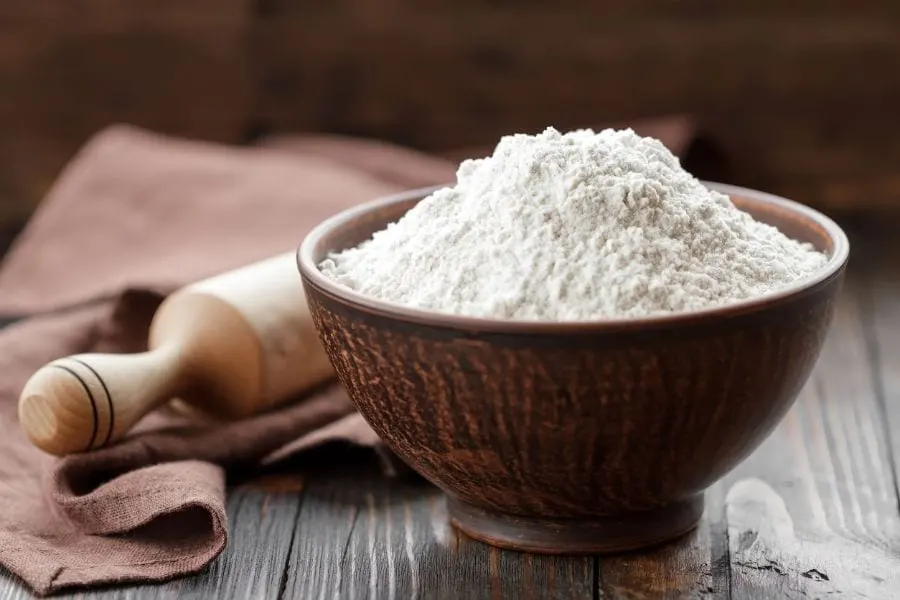
The first sign I look for is a change in appearance. Fresh coconut flour is bright white with a fine, powdery texture. Once mine turns yellow or gray or starts clumping together, it’s likely past its prime. Mold is the clearest sign of all, if I spot that, it’s spoiled, no question.
I also rely on smell. Fresh coconut flour has a sweet, nutty aroma, while spoiled flour smells sour or musty. If it smells off, I toss it.
Finally, I’ll test a tiny bit by taste. I don’t make a habit of eating raw coconut flour, but a small taste tells me if it’s rancid or stale. Fresh flour tastes sweet and slightly nutty, while old or spoiled flour tastes bitter or sour.
What Causes Coconut Flour to Go Bad?

A few different things cause coconut flour to go bad. Like any food, several factors play into it.
The main cause is moisture exposure. Coconut flour is highly absorbent, so it soaks up moisture from the air easily. Once that happens, it clumps together, turns yellow or gray, and can even develop mold. I store mine in an airtight container in a cool, dry place to keep moisture out.
Heat is another factor. When it’s exposed to heat, the natural oils in coconut flour oxidize, which causes rancidity. I keep mine far from heat sources like the stove or oven to prevent that.
Contamination is another culprit. If my container or scoop isn’t properly cleaned, bacteria and other microorganisms can grow in the flour and cause it to spoil.
Finally, there’s just its natural shelf life. Like any food, coconut flour doesn’t last forever, so I try to use mine within a reasonable window of the date rather than let it sit indefinitely.
My Take
Coconut flour can go bad, just like anything else in my pantry. Moisture, heat, contamination, and time are the main factors, and I keep all of them in check by storing mine in an airtight container in a cool, dry place, using clean utensils, and keeping an eye on the date.
Once I know my flour’s fresh, I don’t hesitate to whip up pancakes, muffins, or cakes with it. I reach for mine all the time, and it’s never once let me down.
FAQs
What’s the main thing that makes coconut flour go bad?
Moisture is the biggest culprit. Coconut flour readily absorbs it, which leads to clumping, discoloration, and eventually a rancid smell. Keeping it airtight and away from humidity is the single best thing you can do.
Does coconut flour need to be refrigerated?
Not necessarily. A cool, dry pantry works fine for the first several months. Refrigerating or freezing it just extends how long it stays fresh once opened, especially if your kitchen runs warm or humid.
What does spoiled coconut flour look and smell like?
It turns yellow or gray instead of bright white, clumps together, and develops a sour or musty smell instead of its usual sweet, nutty one. Any of those signs means it’s time to toss it.

Cynthia Odenu-Odenu is the founder of Cyanne Eats. A registered nurse with a passion for food, she brings the same attention to detail from her professional life into the kitchen. From chain restaurant rankings to grocery finds and easy recipes, Cynthia covers it all and helps everyday food lovers eat better and spend smarter.