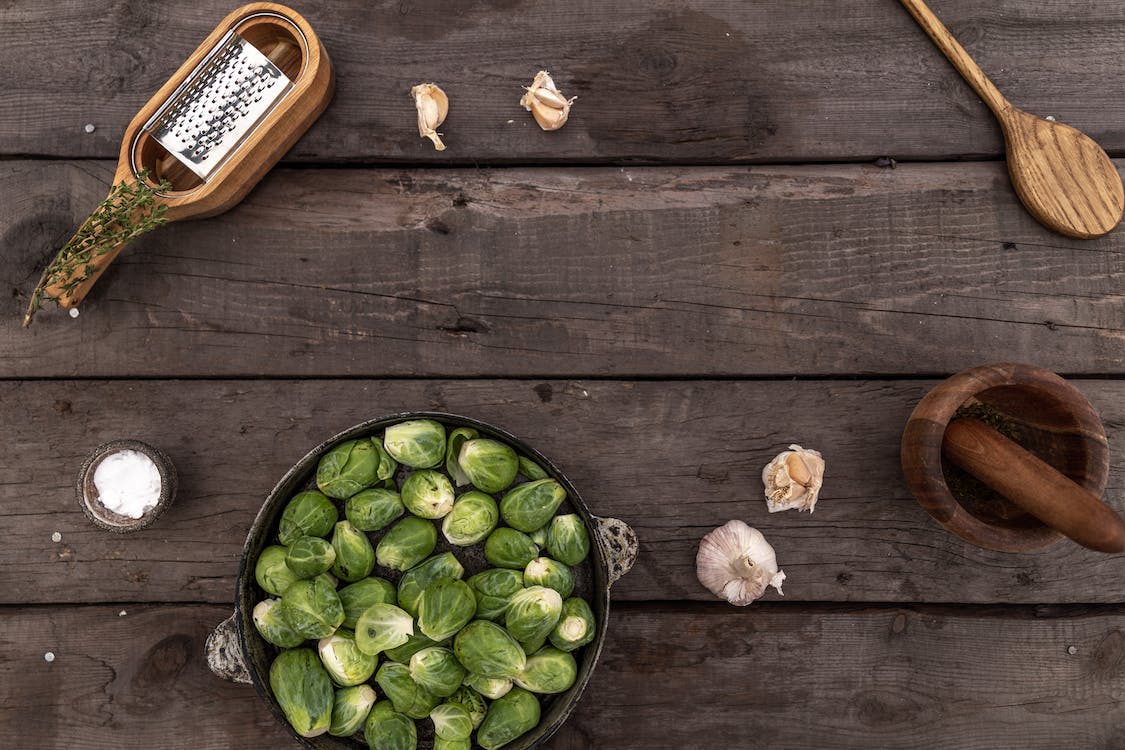
Brussels sprouts taste nutty and slightly sweet with a hint of bitterness, and the bitterness fades noticeably when they’re roasted or sautéed instead of boiled.
I avoided Brussels sprouts for years because of a bad boiled version I had as a kid. Roasted, they’re a completely different vegetable. This is what actually drives the flavor, and how it changes across cooking methods.
Key Takeaways
- The core flavor is nutty and slightly sweet, with bitterness from natural compounds called glucosinolates.
- Roasting or sautéing cuts the bitterness way down and brings out caramelized sweetness. Boiling makes it more pronounced.
- Pickled Brussels sprouts taste tangy and sour, closer to a pickle than the fresh vegetable.
- If you only ever had them boiled, roasted is worth trying before writing them off.
Table of Contents
What Do Brussel Sprouts Taste Like?
Brussels sprouts are part of the same family as cabbage, broccoli, and cauliflower, and that lineage shows up in the flavor. Cooked properly, they turn out tender with a slightly crisp outer layer, nutty and a little sweet, with a hint of bitterness from natural compounds called glucosinolates. Roasting or sautéing cuts that bitterness down noticeably.
Does Brussel Sprouts Taste Like Cabbage?

Brussels sprouts belong to the same cruciferous family as broccoli and cabbage, so there’s real overlap in flavor: that slightly bitter, earthy quality is a family trait.
That said, Brussels sprouts have their own distinct flavor too. They lean nuttier and sweeter than plain cabbage, thanks to their natural sugars, while the same glucosinolates responsible for cabbage’s bitterness show up here as well. How you cook them matters more than which vegetable you’re comparing them to. Roasting or sautéing brings out the nutty side and a crisp texture, while boiling or steaming softens them but makes the bitterness more noticeable. If the bitterness is what’s turning you off, my 8 Best Substitutes for Brussel Sprouts guide has other options.
What Do Roasted Brussel Sprouts Taste Like?
Roasted Brussels sprouts are a genuinely different vegetable from the boiled version. The outer layer turns crispy and slightly caramelized, while the inside stays tender.
High heat caramelizes the natural sugars, which is where that nutty, sometimes almost buttery flavor comes from, especially with a drizzle of olive oil or a sprinkle of Parmesan.
For a straightforward version, toss them with olive oil, garlic powder, salt, and pepper, then roast until crisp, usually 20 to 30 minutes. For something with more of a kick, add red pepper flakes, balsamic vinegar, and a little honey.
What Do Pickled Brussel Sprouts Taste Like?
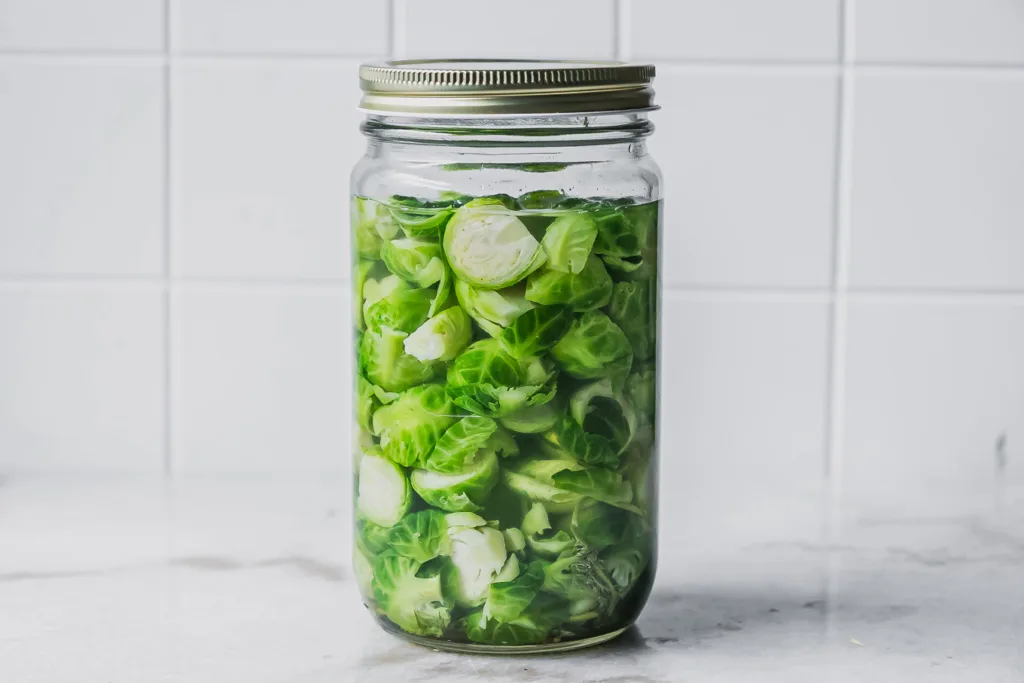
Pickled Brussels sprouts taste tangy and sour with a crunchy bite, closer to a pickle than to the fresh vegetable. The sprouts get blanched first to soften them slightly, then pickled in a vinegar, salt, and spice brine, often with garlic, onion, and mustard seed.
They work well as a cocktail garnish, a salad add-in, or just a snack straight from the jar. They’re also naturally low-calorie and hold onto more of their nutrients through the pickling process than boiling would leave behind.
My Take
Roasted with garlic and Parmesan, or sautéed with onions and bacon, Brussels sprouts taste nothing like the mushy, boiled version a lot of people got stuck with growing up.
If you wrote them off years ago, it might be worth one more try with a different cooking method before deciding for good. They’re also a good source of vitamin C, fiber, and vitamin K.
FAQs
Why do Brussels sprouts taste bitter?
The bitterness comes from natural compounds called glucosinolates. Boiling makes it more pronounced, while roasting or sautéing cuts it down noticeably.
What’s the best way to cook Brussels sprouts to avoid bitterness?
Roasting or sautéing works best. High heat caramelizes the natural sugars and brings out a nutty, slightly sweet flavor instead of the bitterness you get from boiling.
Do pickled Brussels sprouts taste like the fresh vegetable?
Not really. Pickled Brussels sprouts taste tangy and sour with a crunchy bite, closer to a pickle than to the fresh vegetable.

Cynthia Odenu-Odenu is the founder of Cyanne Eats. A registered nurse with a passion for food, she brings the same attention to detail from her professional life into the kitchen. From chain restaurant rankings to grocery finds and easy recipes, Cynthia covers it all and helps everyday food lovers eat better and spend smarter.