Some foods freeze like nothing happened and some come out completely ruined, and the difference almost always comes down to fat content, water content, and whether the texture needs to hold up after.
I have tested all of these at home because I buy groceries in bulk and I hate throwing food away. Some of these I learned the hard way. Aioli was one of those lessons. I am going to spare you that same experience.
This is not a generic “freezing is a great way to preserve food” post. I am going through each one specifically, telling you what actually happens, and giving you a clear yes or no.
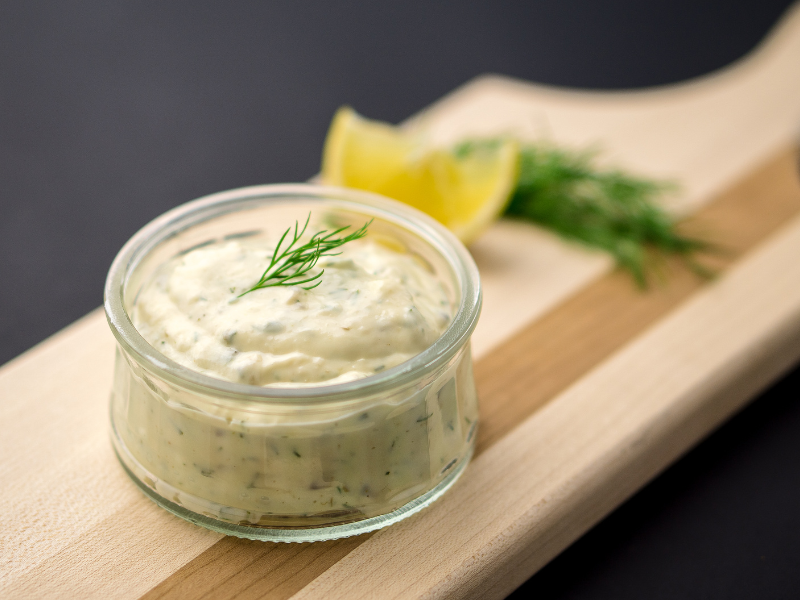
Table of Contents
Key Takeaways
- Aioli and sour cream do not freeze: the texture breaks permanently and no amount of stirring fixes it
- Cream cheese freezes but the texture gets crumbly, which is fine for baking and cooking but not spreading
- Mashed potatoes, including Bob Evans, freeze well for up to 3 months with one reheating trick
- Cooked pierogi and dumplings freeze for up to 3 months and reheat best boiled, not microwaved
- Sourdough bread freezes beautifully: slice first, wrap tightly, toast from frozen
- Basil and cilantro freeze well blended into olive oil in a tray, but not as fresh leaves
- Fresh peppers freeze raw with no prep needed and come out perfect for cooked dishes
- Strawberries and grapes both freeze well and work great for smoothies or cold snacking
- Pesto freezes for up to 6 months and is one of the most freezer-friendly sauces you can make
- Fresh ginger goes straight from the freezer into your recipe, grated without thawing
- The Souper Cubes 2 tbsp silicone molds are the best tool for portioning herbs, pesto, and ginger before freezing
Can You Freeze These 14 Foods?
1. Aioli
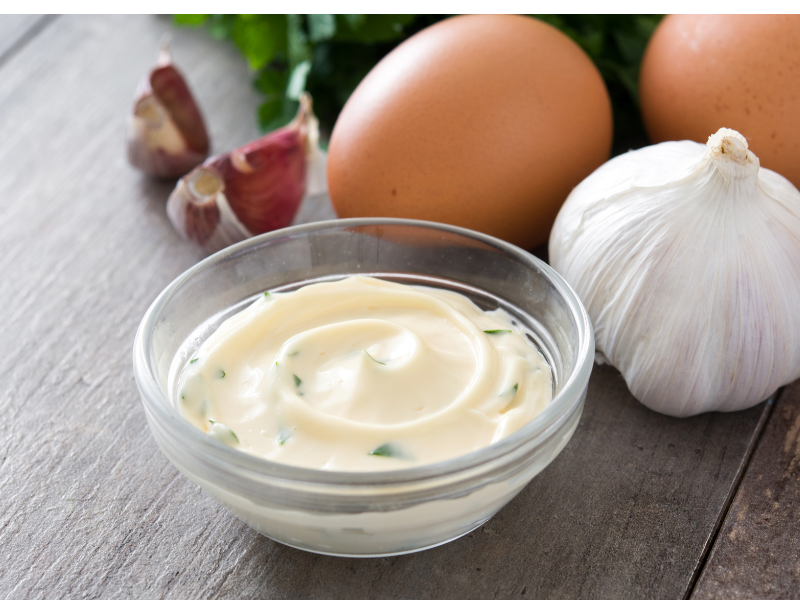
No. Do not bother.
Aioli is a garlic and egg yolk emulsion, and emulsions do not survive freezing. The ice crystals break the bond between the fat and the water, and when you thaw it you get a separated, grainy, slightly watery mess. You can whisk it and it looks better temporarily, but the texture is never the same and the garlic flavor goes noticeably dull.
The better move is to make smaller batches more often. Homemade aioli lasts up to a week in the fridge. Store-bought lasts until the label date. That is enough runway that freezing is never actually necessary.
2. Sour Cream
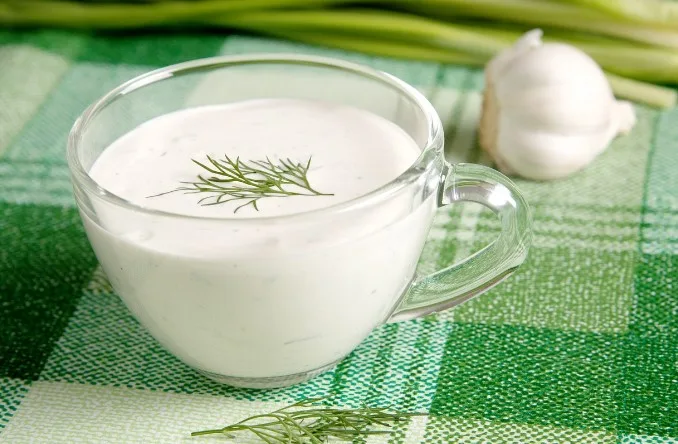
No, skip it.
Same issue as aioli. Sour cream is a dairy emulsion and freezing destroys the texture completely. What comes out looks curdled and watery no matter how slowly you thaw it.
The one exception is baking. Sour cream baked into a cake or coffee cake still works after freezing because the texture gets incorporated during baking anyway. But for anything where sour cream is supposed to be creamy and smooth, do not freeze it.
3. Cream Cheese
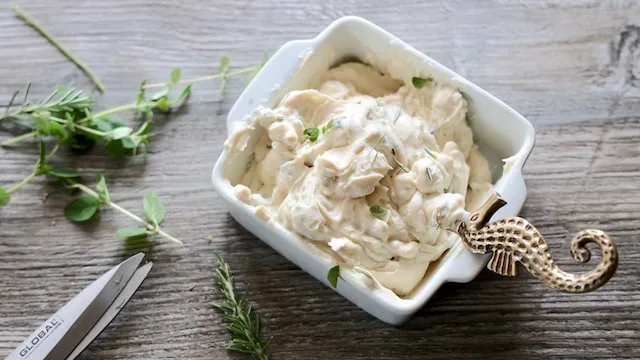
Yes, for cooking. No, for spreading.
Frozen cream cheese comes out crumbly and slightly grainy after thawing. You cannot spread it on a bagel or use it as a dip.
For baking and cooking it is completely fine: cheesecake, cream cheese frosting, pasta sauces, stuffed chicken, and casseroles all work well with previously frozen cream cheese because the texture gets blended or baked into the dish.
To freeze it, wrap the block tightly in plastic wrap and then place it in a freezer bag. It keeps for up to 2 months. Thaw overnight in the fridge and beat or stir it well before using.
4. Mashed Potatoes (Including Bob Evans)
Yes, with one reheating rule.
Mashed potatoes freeze well for up to 3 months, and this includes store-bought versions like Bob Evans. The texture can get slightly gluey after freezing if you reheat them wrong, but the fix is simple: add a splash of warm milk or a pat of butter and stir gently over low heat rather than microwaving on high.
Let them cool completely before freezing, transfer to an airtight container with a little room at the top, and label with the date. Thaw in the fridge overnight. Reheat slowly on the stove with liquid, not in the microwave blasting from frozen. That is the one move that ruins the texture every time.
The big spike you see in searches for this every November is not a coincidence. People are making Thanksgiving mashed potatoes ahead of time. This method works perfectly for that.
5. Capers
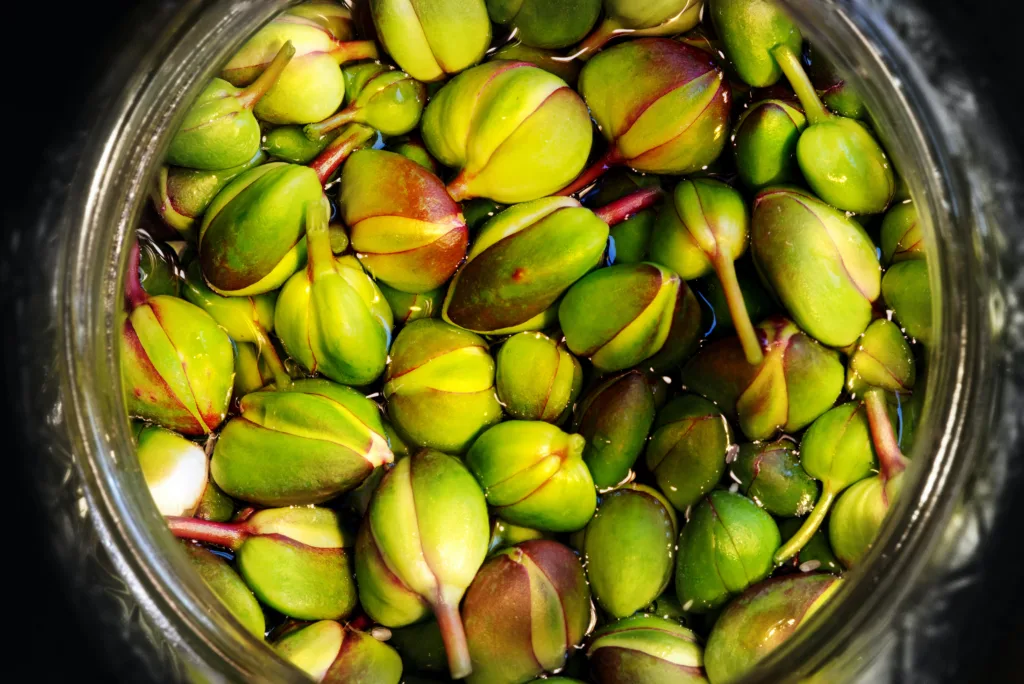
Yes, and this one could not be easier.
Capers are one of those ingredients I keep frozen specifically because I only use them occasionally and a jar left open in the fridge can go bad before you work through it.
Drain them, spread in a single layer on a parchment-lined baking sheet, freeze for 2 hours until solid, then transfer to a freezer bag. Frozen capers last up to 6 months. When you are ready to use them, add them straight to the hot pan or pasta directly from frozen with no thawing needed. They come right back.
6. Cooked Pierogi and Dumplings
Yes, and they reheat really well.
Cooked pierogi and dumplings freeze for up to 3 months and come back almost exactly as good as fresh. The method matters. Let them cool completely, then freeze in a single layer on parchment for 1 to 2 hours before transferring to a freezer bag. If you skip that step and go straight into a bag, they freeze together into one solid clump.
To reheat, drop them straight from frozen into boiling salted water for 3 to 4 minutes. Pan-frying in butter from frozen until golden is also excellent for a little crunch. Microwaving from frozen makes them rubbery and I would avoid it.
7. Sourdough Bread
Yes, and this is probably the best thing you can freeze.
Sourdough freezes beautifully and comes back tasting fresh if you handle it right. The key is to slice it before freezing rather than freezing the whole loaf. Pre-sliced sourdough means you can pull out exactly what you need and go straight to the toaster from frozen without thawing the whole thing.
Wrap the slices tightly in plastic wrap or a zip-top freezer bag with the air pressed out. Frozen sourdough keeps for up to 3 months. To serve, pop slices directly into the toaster on a slightly lower setting than usual or let them thaw at room temperature for about 30 minutes. Both methods work.
This is the reason I now buy the biggest sourdough loaf I can find instead of the smallest. I slice the whole thing, freeze two-thirds of it the same day, and never deal with stale bread again.
8. Fresh Herbs: Basil and Cilantro
Yes, but not as whole leaves.
Fresh basil and cilantro do not survive freezing as intact leaves. The ice crystals damage the cell structure and they come out black, limp, and unusable. But frozen in olive oil is a completely different story.
Blend a large handful of the herb with enough olive oil to make a loose paste and pour it into a Souper Cubes 2 tbsp silicone tray. Each cube equals about 2 tablespoons of herb oil, which is exactly the amount most recipes call for. Pop the frozen cubes into soups, sauces, pasta, scrambled eggs, or anywhere you would use fresh herbs.
Basil herb oil cubes keep for up to 6 months. Cilantro works the same way and is excellent in Mexican-inspired dishes, soups, and rice. This method is also what I use for ginger and garlic when I have too much on hand.
9. Pesto
Yes, and it freezes for months.
Pesto is one of the most freezer-friendly sauces you can make. It keeps for up to 6 months frozen without losing flavor, which makes it worth making a big batch in August when basil is cheap and plentiful.
Freeze it in small portions using a Souper Cubes 2 tbsp tray so you can grab one or two cubes as needed for a pasta serving rather than defrosting the whole container. Thaw in the fridge overnight or drop the frozen cube directly into hot pasta and let it melt as you toss. The second method works perfectly and adds zero extra time.
One note: the bright green color fades a little after freezing due to oxidation. The flavor stays strong. If color matters, make it fresh. If you just want great pesto on a Tuesday without the effort, frozen is the move.
10. Peppers (Bell and Sweet)
Yes, raw with zero prep.
Bell peppers and sweet peppers are one of the easiest vegetables to freeze. No blanching needed. Wash, dry, slice or dice them however you use them most, spread on a parchment-lined baking sheet, freeze for an hour until firm, then transfer to a bag.
They keep for up to 12 months. The texture after thawing is softer than fresh, which makes them ideal for stir-fries, fajitas, soups, egg scrambles, and pasta rather than raw salads. I keep a bag of sliced frozen peppers in my freezer at all times because they go into weeknight cooking faster than fresh and I never have to worry about them going soft.
The peak search time for this is summer through early fall, which makes sense since that is when peppers are cheapest at the grocery store and farmers market.
11. Strawberries and Grapes
Yes, and they are two of the best fruits to freeze.
Both freeze well with the same basic method: wash, dry thoroughly, remove stems, spread on a parchment-lined baking sheet in a single layer, freeze until solid, then transfer to a bag. The single-layer freeze keeps them from clumping together so you can pour out exactly what you need.
Frozen strawberries are excellent for smoothies, overnight oats, and baking. They are also really good thawed slightly and eaten semi-frozen as a cold snack or dessert. They keep for up to 12 months.
Frozen grapes are genuinely one of my favorite snacks in the summer. Straight from the freezer they eat like a cold, firm candy and take about 30 minutes to freeze through. Pop green or red grapes in a bag and you have an almost-zero-effort frozen treat that is way better than it sounds.
12. Watercress and Leafy Greens
Yes, but only for cooked dishes.
Fresh watercress and most leafy greens cannot go back to salad-ready after freezing. The ice crystals damage the cell structure and the leaves come out soft and limp. This is completely fine if you are using them in soup, stir-fry, pasta, or anything cooked. For raw salads, forget it.
Blanch them first before freezing: 30 seconds in boiling water, then immediately into ice water to stop the cooking. Drain and pat completely dry before freezing. Skipping the blanch leads to mushy, discolored greens with a flat flavor after thawing.
Blanched watercress keeps for up to a year. I freeze mine in the Souper Cubes 1 cup trays so I have ready portions to drop straight into soups.
13. Fresh Ginger
Yes, and this might be the smartest thing on this list.
Freeze the whole unpeeled knob in a freezer bag. When you need it, pull it out and grate it directly from frozen using a fine grater. The frozen texture makes it easier to grate finely than room-temperature ginger, and the skin stays on the grater while the ginger goes into your dish. No thawing, no peeling, no mess.
Frozen ginger keeps for up to 6 months. If you use ginger only occasionally and always find yourself with half a knob going wrinkly in the back of the fridge, freeze it the day you bring it home and that problem is solved permanently.
14. Guacamole
Yes, and it works better than you think.
The trick with guacamole is acidity and air. Enough lime juice slows the oxidation that turns guac brown, and pressing plastic wrap directly onto the surface before sealing removes the air that causes browning in the freezer. Do both and your frozen guac comes out looking and tasting close to fresh.
Freeze in individual portions based on how you use it. Frozen guacamole keeps for up to 3 months. Thaw in the fridge overnight and give it a good stir before serving. Add a squeeze of fresh lime after thawing to brighten the flavor back up.
I started doing this after buying a big bag of avocados on sale and realizing I was never going to use them all. Making a full batch of guac and freezing half of it is the only system that actually works.
The Tool That Makes All of This Easier
Most freezer failures happen because of containers, not the food. Anything stored in a flimsy bag with air still trapped in it gets freezer burn within weeks.
For portioning herbs, pesto, ginger, and anything you want in small pre-measured amounts, the Souper Cubes 2 tbsp silicone molds are the most useful thing I have found. Each cube is exactly 2 tablespoons. You pop them out like ice cubes and drop them straight into whatever you are cooking.
For larger items like mashed potatoes, watercress, and pierogi portions, the 1 cup size is the right call.
What This All Comes Down To
Emulsions (aioli, sour cream) cannot be frozen without permanent texture damage. Dairy that gets blended or cooked into a dish (cream cheese in baking) handles it fine. Herbs need to go into oil before freezing, not the freezer alone.
Everything else on this list freezes better than most people expect, especially strawberries, grapes, sourdough bread, pesto, and fresh ginger, which are the four I wish someone had told me about sooner.
Frequently Asked Questions
Can you freeze sour cream?
Only for baking, where the texture gets mixed into the dish anyway. For dips, toppings, or anything where creaminess matters, it separates completely and does not recover.
Can you freeze basil or cilantro?
Not as whole leaves. Blend either herb with olive oil and freeze in 2-tablespoon portions in a silicone tray. That method works perfectly and keeps for up to 6 months.
Can you freeze mashed potatoes?
Yes, for up to 3 months including store-bought versions like Bob Evans. Thaw overnight in the fridge and reheat slowly on the stove with a splash of warm milk or butter, not in the microwave from frozen.
Can you freeze sourdough bread?
Yes. Slice it before freezing, wrap tightly, and toast directly from frozen. It comes back tasting fresh and keeps for up to 3 months.
Can you freeze pesto?
Yes, for up to 6 months. Freeze in 2-tablespoon portions and drop the frozen cube directly into hot pasta to melt as you toss.

Cynthia Odenu-Odenu is the founder of Cyanne Eats. A registered nurse with a passion for food, she brings the same attention to detail from her professional life into the kitchen. From chain restaurant rankings to grocery finds and easy recipes, Cynthia covers it all and helps everyday food lovers eat better and spend smarter.