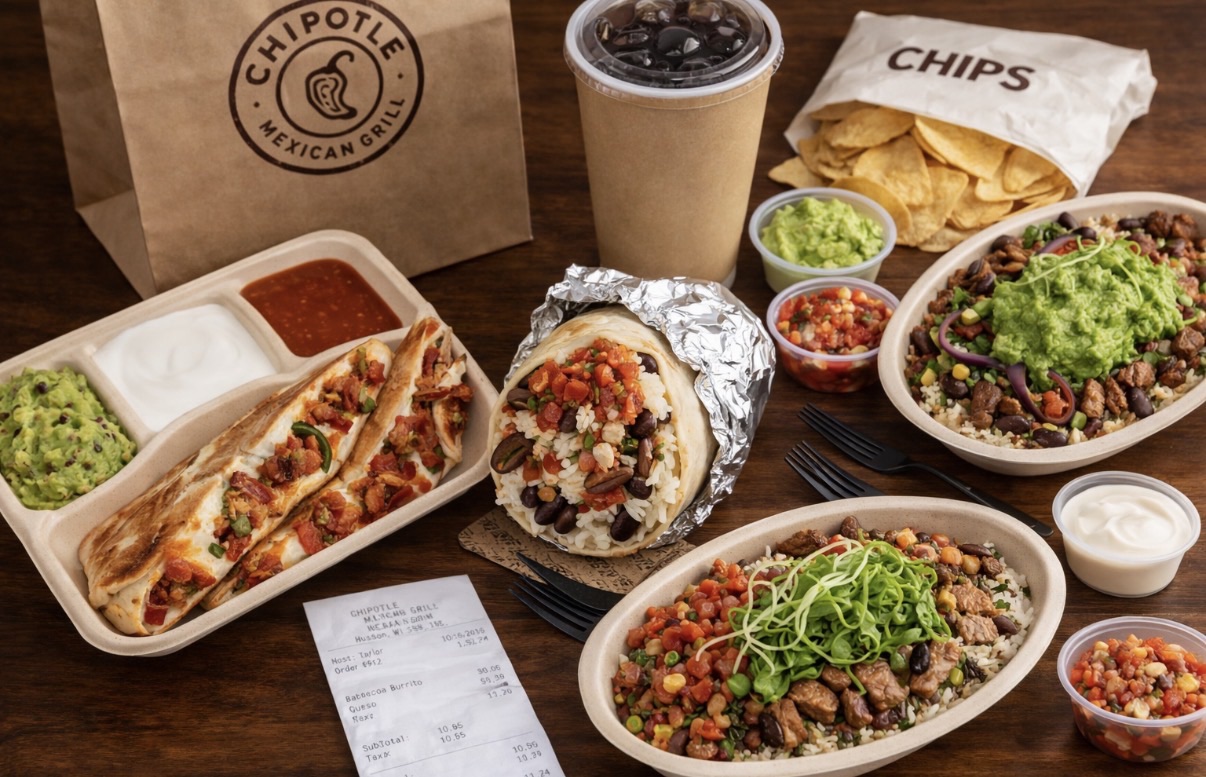
Most people leave Chipotle underwhelmed, and every time I watch it happen, it’s for the same reason. Not bad food. Bad decisions at the line. They rushed through, picked whatever sounded fine, and ended up with a soggy burrito or a bowl that somehow tasted like nothing despite having eight ingredients in it.
The best Chipotle order is a build problem, not a menu problem. Get the sequence right, know which items are actually worth it, and you walk out with a genuinely great meal every time. Here’s exactly how I do it.
Table of Contents
Key Takeaways
- Order a bowl, not a burrito. You get more food and better control over every layer.
- Get a tortilla on the side if you still want the burrito experience.
- Barbacoa is the most underrated protein on the line. Chicken is the most reliable.
- The tomatillo red chili salsa is the one most people skip. It shouldn’t be.
- Corn salsa is not just a topping. It’s a flavor layer that changes the whole bowl.
- Fajita veggies are free, and most people walk past them without thinking. Don’t.
- Guacamole is worth the upcharge in a bowl. In a burrito, you’ll barely taste it.
- Everything except meat and guac is free. Order extras without hesitation.
How to Build the Best Chipotle Order
There are five decisions between you and a great Chipotle order. Most people make them on instinct and wonder why the result is underwhelming. Here’s how I make each one.
Step 1: Bowl, Burrito, or Tacos?
My answer: the bowl. I’m not hedging on this one.
Bowls give you more food for the same price. The bowl has more physical space than any tortilla can hold, so workers pile it higher without a second thought. You also get free extras on top of everything you already ordered, and the bowl holds all of it without falling apart.
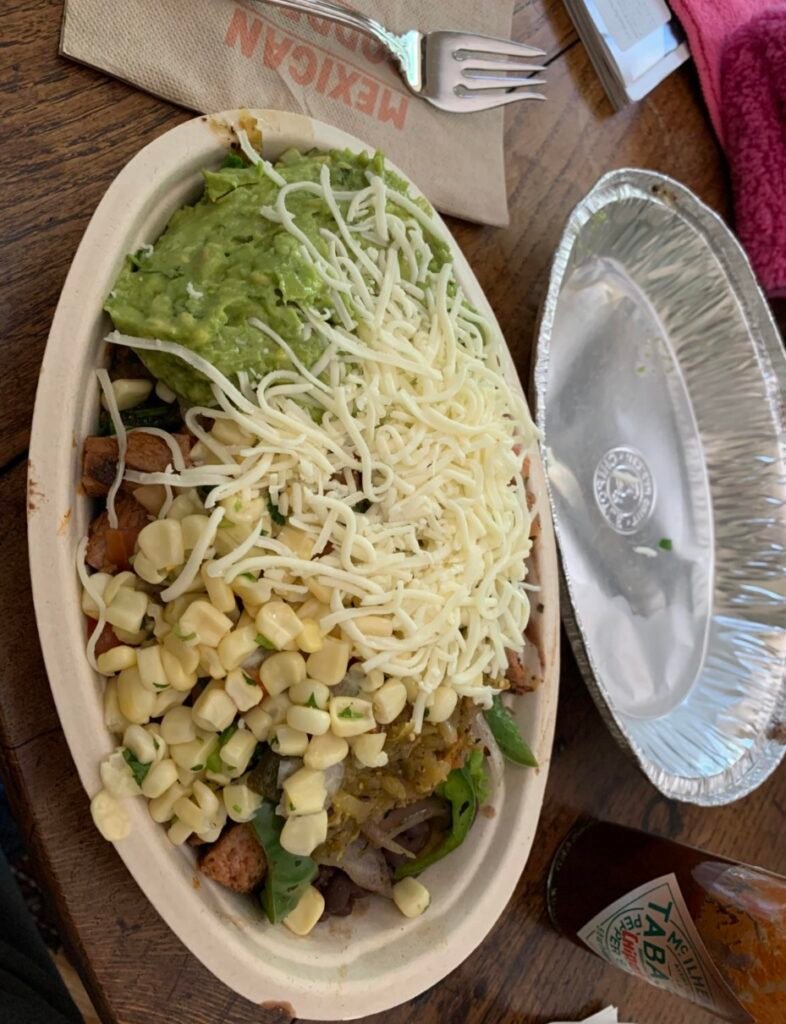
Burritos look more satisfying, but they come with real problems. Everything has to fit in the center of the tortilla to roll properly, which means less food overall. Load too many wet ingredients and it falls apart before you finish it.
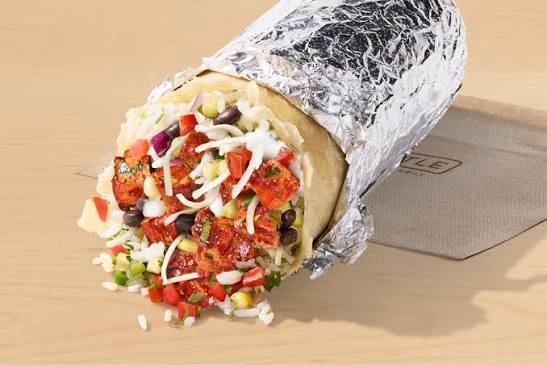
The fix I’ve landed on: order a bowl with a tortilla on the side. You get full bowl portions, and you still get to wrap your own bites as you go. The side tortilla costs a little extra now, but it’s worth it every time.
Tacos are the clear skip. Three tacos cost roughly the same as a full burrito or bowl but come with less than half the food.
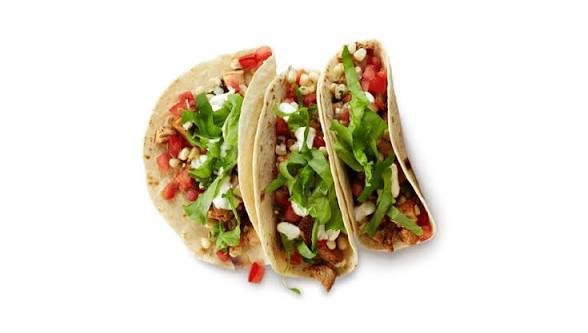
Former employees consistently warn people away from tacos for exactly this reason. If you want that format, order a bowl and ask for taco shells on the side.
Step 2: The Protein Decision
This is where most Chipotle orders go right or wrong. I’ve been through every protein on this menu more times than I can count, and here’s my honest read on each one.
Chicken
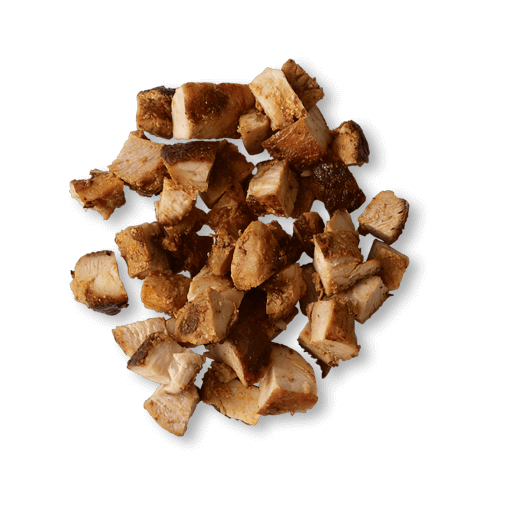
Chicken is the safe pick, and I mean that as a compliment. It’s grilled fresh, it’s the only protein Chipotle cooks entirely from scratch on the grill, and it’s consistent across locations. It’s not the most exciting thing on the line, but it never disappoints. If you’re not sure what you want, start here.
Barbacoa
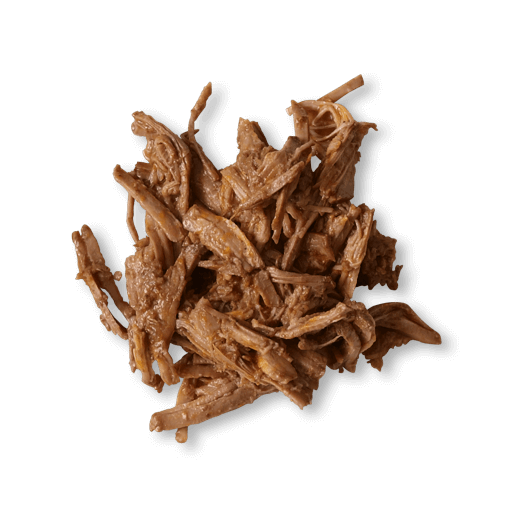
Barbacoa is what I actually order. Slow-cooked beef with garlic, cumin, and dried chilies, and the flavor runs deeper than anything else on the line. The Chipotle community calls it the most slept-on protein for a reason, and they’re right.
The only thing to know: it can run fatty depending on the batch. If you see a lot of liquid in the pan, ask for a spoonful from closer to the top where it’s drier.
Want to recreate Chipotle’s barbacoa at home? La Costeña Chipotle Peppers in Adobo Sauce are the exact base ingredient: smoked jalapeños in adobo sauce, ready to use straight from the can.
Steak
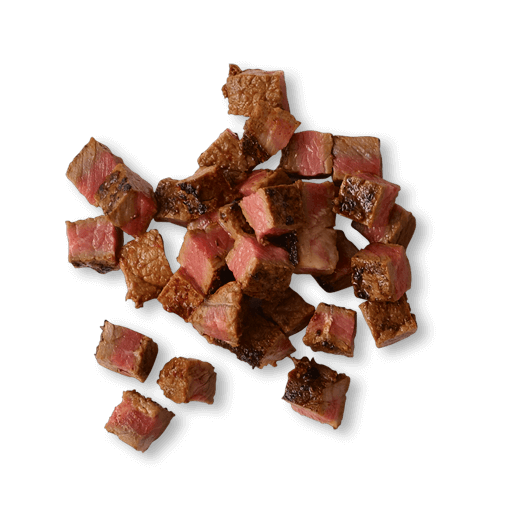
Steak has the highest highs and the lowest lows of anything on this menu. I’ve had it on a good day and it genuinely changes your opinion of the place. I’ve had it on a bad day and it tasted like dried rubber. When it’s fresh and properly cooked, it’s the best protein Chipotle serves. When it’s been sitting, it gets tough fast. My rule: only order steak if the line is moving quickly and the pan looks fresh. Otherwise, go barbacoa.
Carnitas
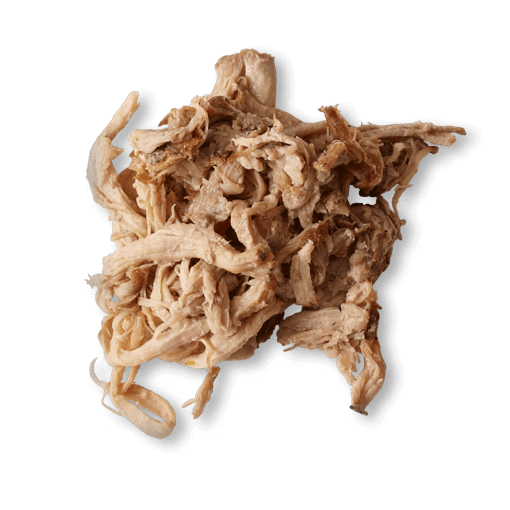
Carnitas is hit or miss, and I’ve landed on both sides. At its best, it’s tender and genuinely flavorful. At its worst, it’s fatty and bland, and you can barely taste it against the other ingredients. If you order it, pair it with bold salsas or it disappears into the bowl.
Sofritas
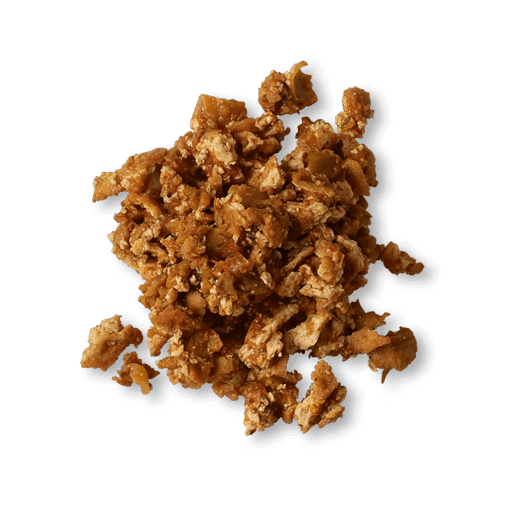
Sofritas gets written off way too fast. The texture isn’t for everyone, but the flavor is better than most people expect. There’s also a practical reason I bring it up: any veggie protein order, including sofritas, gets you free guacamole. That’s roughly $3 back in your pocket. That changes the math entirely.
Double Protein
Double protein is worth it if you know the trick. Don’t just say “double” at the register. Ask for a scoop, then ask for more after they put the first one down. You’ll get closer to a true double portion that way. Another option I like: order half-and-half of two proteins, which tends to give you more total meat than a standard double of one.
Step 3: The Rice and Bean Call
White rice wins. It’s not close, and I’m not going to pretend it is.
Both the white and brown rice are made with cilantro and lime, but the white rice has a cleaner flavor and a lighter texture that works better in a bowl. Chipotle ran a poll on this and 69% of people chose white. Brown rice is fine, but it’s denser and can make the whole bowl feel heavier by the end. If you really want both, ask for half and half.
One thing worth knowing: both rice options are cooked with a significant amount of oil. It’s what gives them flavor, but it’s also why Chipotle rice tastes better than plain steamed rice at home.
For beans, I go black almost every time. They hold their shape, have a firmer texture, and taste cleaner than pinto. Pinto beans go soft and can get mushy in a bowl. That said, if you want more food without paying more, ask for both. The standard move is to request half and half, but a lot of the time you end up with nearly a full scoop of each, which is more total beans than a standard single order.
One more thing on the burrito build: consider going light on rice or skipping it entirely. The tortilla already adds starch, and too much rice is often what makes a burrito feel heavy and fall apart at the seam.
Step 4: The Salsa Layer
I see people rush this step every single time, and it’s the biggest mistake you can make at Chipotle. The salsas are free. All of them. You can get every one of them at no extra cost, and the combination you pick matters more than almost any other decision in this build.
Fresh Tomato Salsa (Mild)
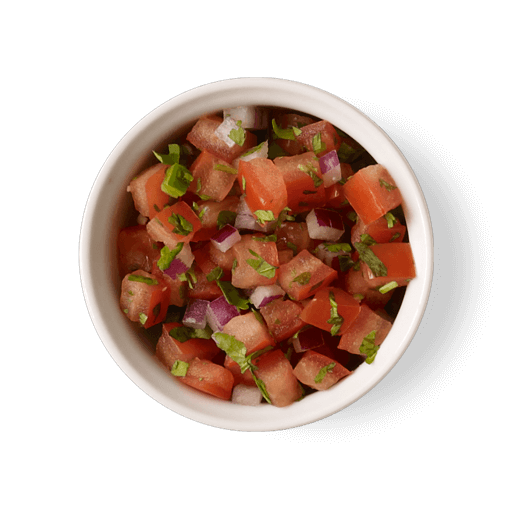
This is pico de gallo: bright, fresh, and easy to overlook. It gets lost in a full bowl because the flavor isn’t strong enough to compete with everything else. I use it as a base layer underneath something with more heat, or I skip it entirely if I’m going heavy on the other salsas.
Roasted Chili-Corn Salsa (Medium)
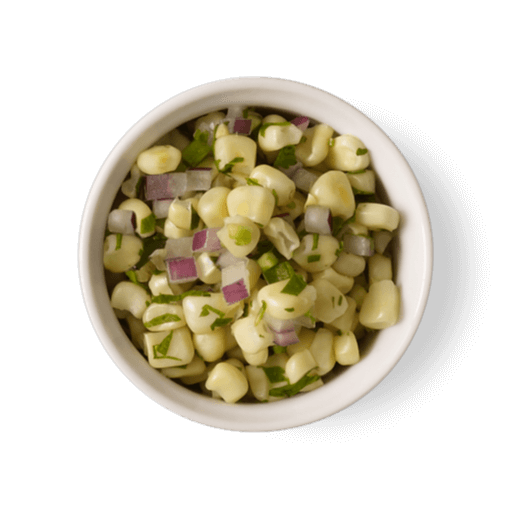
Most people call this the corn salsa, and it’s the one I put in almost every order I build. It adds sweetness, crunch, and a brightness that nothing else on the line provides. It functions more like a topping than a traditional salsa: the texture changes the bowl in a way that’s hard to appreciate until you try it. Put it in.
Tomatillo Green-Chili Salsa (Medium)
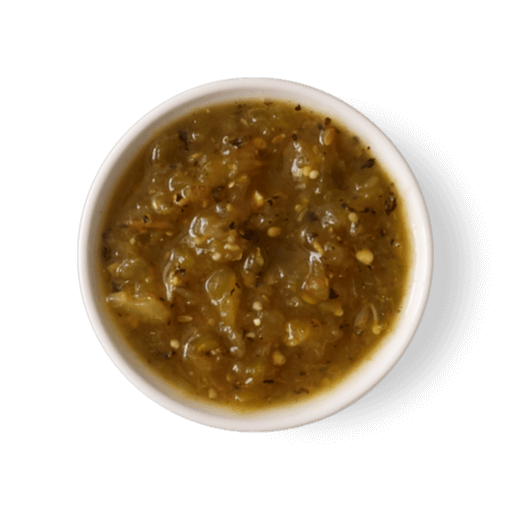
Tangier than the corn salsa, with a jalapeño and citrus kick that comes through clearly. This is the better medium-heat option if you want actual flavor with your heat rather than just a generic chili burn. I reach for this when I want something brighter and sharper in the bowl.
Tomatillo Red-Chili Salsa (Hot)
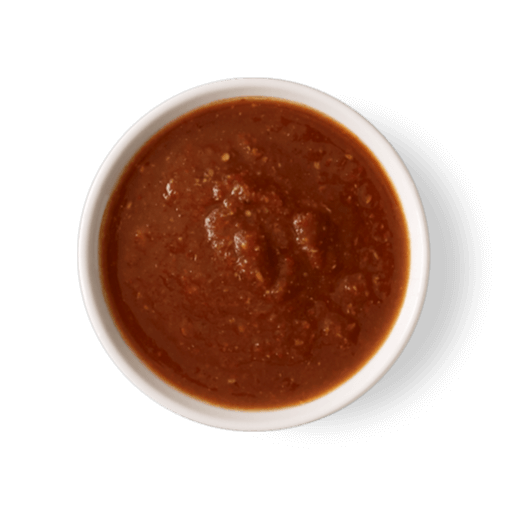
This is the one most people skip because “hot” sounds risky, and I used to be one of those people. I was wrong. The red salsa has a smoky, deeper flavor than anything else on the line, and it’s what separates a good bowl from a great one.
Yes, it’s legitimately hot now: Chipotle quietly reformulated it a few years ago after expanding their chile de árbol suppliers, and the heat level went up noticeably. Pair it with cheese and sour cream and it’s completely manageable. Use it alone and even spice veterans feel it.
My standard combination: corn salsa plus the hot red. The sweetness from the corn balances the heat from the red. It works every single time.
Love the smoky heat of Chipotle’s red salsa? Cholula Chipotle Hot Sauce brings that same smoky, slightly sweet chipotle flavor to anything you’re cooking at home.
Step 5: The Toppings That Actually Matter
Fajita Veggies
Free, flavorful, and the most skipped item on the line. I watch people walk right past them and I genuinely don’t understand it. Grilled peppers and onions add flavor, bulk, and texture for nothing extra. I always get them.
Sour Cream
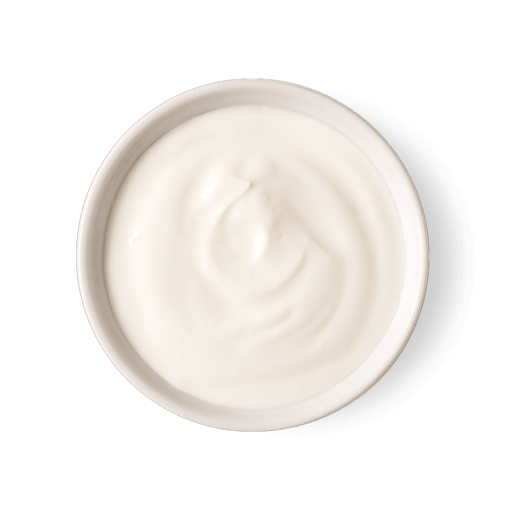
Sour cream does more work than cheese in a bowl because it actually changes the flavor: it cools down the heat from the salsas and adds a creaminess that makes spicier builds more enjoyable. If I’m going heavy on the hot red salsa, sour cream is not optional for me.
Guacamole
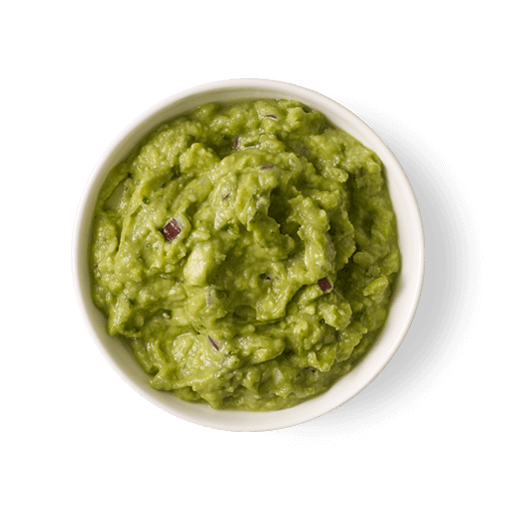
Guacamole costs extra, roughly $2.95 to $3.00 depending on location. In a bowl, I think it’s worth it. You can taste it against the other ingredients. In a burrito, I’ve made the mistake of paying for it and barely noticing it was there: wrapped up and buried under salsa and meat, it just disappears. Know where you’re using it before you say yes. And if you ordered sofritas or any veggie option, it’s free, so the decision is already made for you.
Cheese
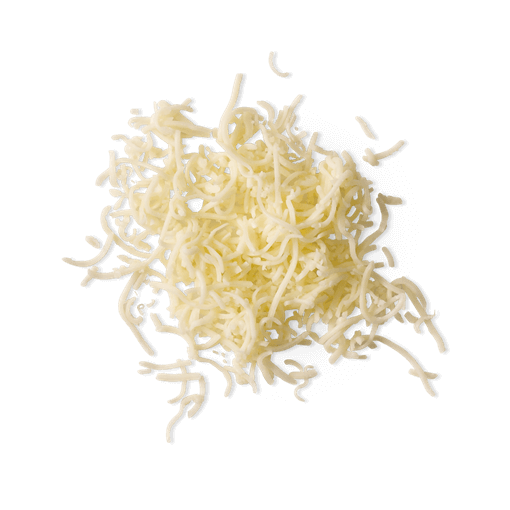
Cheese is the most popular Chipotle topping, and honestly, I could take it or leave it. It doesn’t do a lot on its own. If you’re getting it, ask for it right after your protein so it melts into the hot rice and meat instead of sitting cold on top of lettuce. Cheese on cold lettuce is just wasted cheese.
Lettuce
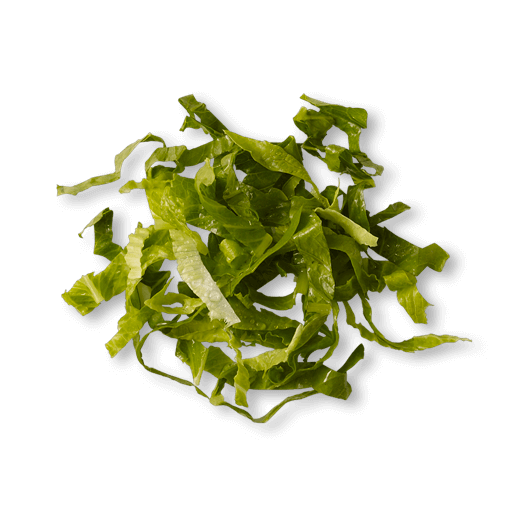
Lettuce is filler. Five to ten calories, minimal flavor contribution. I skip it most of the time. If I’m eating light and want more volume without more calories, it earns its spot. Otherwise, that space is better used by something that actually adds to the bowl.
The Best Chipotle Combos, Ready to Order
The Classic
Bowl, white rice, black beans, chicken, corn salsa, fresh tomato salsa, cheese, and sour cream. This is the reliable build: well-balanced, crowd-pleasing, and it works for almost everyone. If you’ve never been and don’t want to think too hard, start here.
The Flavor Build
Bowl, white rice, black beans, barbacoa, fajita veggies, corn salsa, tomatillo red chili salsa, sour cream, and guacamole. This is what I’d actually order. The barbacoa carries the protein load, the corn salsa adds sweetness, the red salsa adds heat and depth, and the sour cream keeps it from tipping too far. Skip the cheese here: there’s enough going on already.
The Protein Build
Bowl, light white rice, both beans, double chicken or half chicken and half barbacoa, fajita veggies, fresh tomato salsa, and romaine lettuce. No sour cream or guac if you’re watching calories. This build gets you roughly 70 to 80 grams of protein and lands around 600 to 700 calories depending on portions. It’s the one I’d order after a workout.
The Budget Order
Bowl, white rice, both beans, sofritas, corn salsa, tomatillo green salsa, cheese, and free guacamole since you ordered a veggie protein. You get the full bowl, free guac, and a genuinely good meal. Sofritas with corn salsa and green salsa is a better combination than most people expect going in.
What to Skip
Tacos: less than half the portions for the same price as a bowl or burrito. There is no argument for them.
Queso: it’s the most calorie-dense add-on per ounce, it congeals quickly in a bowl, and it adds sodium without adding much flavor. If you want queso, order chips and queso as a separate thing where it’s actually the focus.
Online ordering: this isn’t a menu item, but it’s the single biggest thing affecting your experience. Employees portion more generously when a customer is standing right in front of them watching. I stopped ordering online the moment I noticed the difference in my bowl size. Go in person, be friendly, order one topping at a time.
Conclusion
A great Chipotle order isn’t luck. It’s a sequence of deliberate decisions, and now you know exactly which calls to make at each step. Bowl over burrito. Barbacoa or chicken for protein. White rice and black beans as the base. Corn salsa plus the hot red as your salsa layer. Fajita veggies on everything. Build it that way and you’ll stop leaving Chipotle disappointed.
If you want to recreate Chipotle-style bowls at home, La Costeña Chipotle Peppers in Adobo Sauce are where the barbacoa flavor starts, and you can grab a Chipotle eGift Card on Amazon for your next in-person run.
And if you want the full fast food ordering breakdown, I also covered Taco Bell’s menu in full: The Best Things to Order at Taco Bell, Ranked.
FAQ
What is the best Chipotle order?
A barbacoa bowl with white rice, black beans, fajita veggies, corn salsa, tomatillo red chili salsa, sour cream, and guacamole. That’s the build I come back to every time.
Is it better to get a bowl or burrito at Chipotle?
Bowl, every time. You get more food, better portion control, and free extras that simply don’t fit inside a burrito.
Is double protein at Chipotle worth it?
Yes, but ask for more meat after the first scoop instead of just ordering “double” upfront. You’ll get a fuller portion that way.
What is the most underrated item at Chipotle?
Barbacoa for protein, corn salsa for toppings, and the tomatillo red chili salsa. All three are consistently overlooked.
Is guacamole worth the extra charge at Chipotle?
In a bowl, yes. In a burrito, not really: it gets buried and you barely taste it. Order any veggie protein and it’s free anyway.
What should I never order at Chipotle?
Tacos. You get less than half the food for the same price as a bowl or burrito.
Does ordering in person get you more food at Chipotle?
Yes. Employees consistently portion more generously when a customer is standing right in front of them. It’s not a theory: I’ve tested it myself.

Cynthia Odenu-Odenu is the founder of Cyanne Eats. A registered nurse with a passion for food, she brings the same attention to detail from her professional life into the kitchen. From chain restaurant rankings to grocery finds and easy recipes, Cynthia covers it all and helps everyday food lovers eat better and spend smarter.